GM Must Get Driver Consent Under $220 Million Data Settlement
GM will pay $220 million and must get express consent before sharing driving data. What the settlement means for OnStar owners and what comes next.
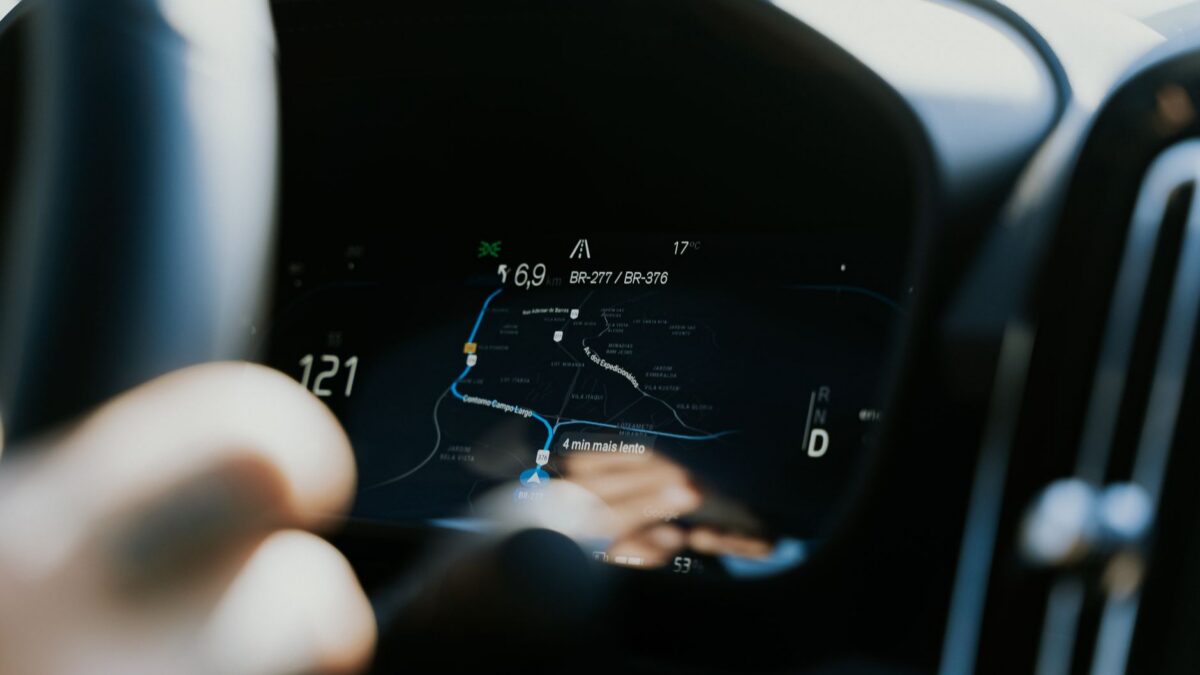
General Motors will have to get express consent from drivers before it collects or shares their driving and location data, under a $220 million settlement with thirty-five states and Washington, D.C. New York filed its part of the deal on Friday, after the states announced the agreement on Oct. 29, Yahoo Finance reported.
For GM owners, the money matters less than the new rules. The settlement puts limits on how the automaker can use the data its cars send back, and it adds an outside check on its privacy program.
What the states say GM did
The states allege that GM sold data from its Smart Driver program to Verisk and LexisNexis Risk Solutions. Those companies used it to build driver reports that were sold to insurers, which can use such reports when setting rates.
New York Attorney General Letitia James said GM’s OnStar app told more than 370,000 drivers that they were not enrolled, while the company was collecting and selling their data anyway.
GM shut down the program in 2024. It settled without admitting liability and said the agreement “reinforces steps we’ve taken to strengthen our privacy practices.”
What GM has agreed to
- Pay $220 million within 30 days after the deal takes effect on Nov. 30.
- Ask for express consent before it collects or shares driving and location data.
- Run a privacy program that an independent assessor reviews.
What it means for GM owners
The consent rule changes how GM’s connected services work going forward. A driver should be asked directly before data about speed, braking or location leaves the car for a third party. Under the old Smart Driver setup, the states say, many owners did not know that information was flowing to data brokers who sold reports to insurers.
The rule also touches the parts of the business GM is counting on. The company is promoting OnStar and its Super Cruise driver-assistance system as growth products, and both depend on data from drivers.
The settlement money goes to the states. The terms reported do not include direct payments to individual owners.
How big the bill is for GM
Next to GM’s profits, the payment is modest. The automaker reported third-quarter net income of $3.3 billion, about 15 times the settlement. Revenue rose 2.9% to $50.0 billion and adjusted EBIT, a measure of operating profit, climbed 21.6% to $4.1 billion. GM has narrowed its full-year outlook to $14.5 billion to $15.5 billion.
Ford, on nearly the same revenue of $49.5 billion, earned $2.7 billion in adjusted EBIT. GM’s North America business ran at a margin of 8.7% last quarter. Ford CEO Jim Farley has set a goal of an 8% adjusted EBIT margin by 2029.
GM shares closed Friday at $86, 7% below Wednesday’s close at a 52-week high, though the cost of the settlement had been public since late October.
What to watch next
The settlement takes effect Nov. 30, and the payment is due within 30 days after that. GM’s next earnings report on Jan. 27 will include its 2027 outlook, and will show how tariff and warranty costs are weighing on profit.
Source: Yahoo Finance