The Federal EV Tax Credit Ended: Who Can Still Claim It
The $7,500 new, $4,000 used and commercial clean vehicle credits are gone for new purchases. A narrow group of buyers can still claim, and state and utility programs fill some of the gap.

Recalls, prices and rules for US car owners.
The $7,500 new, $4,000 used and commercial clean vehicle credits are gone for new purchases. A narrow group of buyers can still claim, and state and utility programs fill some of the gap.

The sticker, the invoice, the holdback and the incentives: four numbers that decide how much room there is in a new car deal.
A 2027 car can be built in early 2026. The model year sets resale value and most deals, while the build date can decide whether a recall applies.
The federal price index for car insurance surged through 2024 and has started to fall, but premiums remain far above 2021 levels. Your own rate depends on your state, your car and how often you shop.
The deduction works whether or not you itemize, but only for new, personal-use vehicles with final assembly in the United States. Final IRS rules came out in September 2026.
A documentation fee pays for paperwork and dealer profit. Here is which states limit it as of November 2026, and what to do where there is no cap.
What the letters PE, EA, RQ, DP and AQ mean on a federal safety probe, how long each stage is meant to take, and when an owner should act.
A lost, stolen or damaged title is fixed with a duplicate from the state that issued it. The process is simple unless a lien is still on record or your state keeps titles electronically.
Section 232 tariffs on vehicles and parts have been in place since spring 2025. Sticker prices moved less than expected; repair costs moved more.
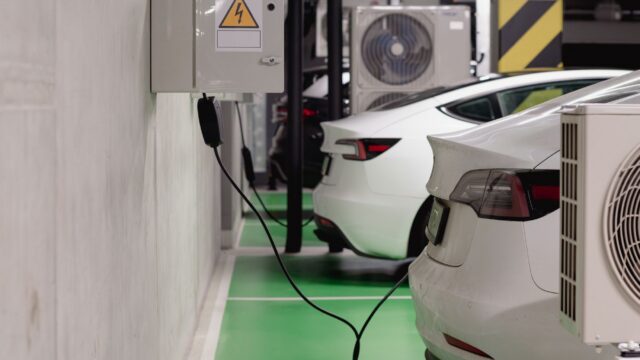
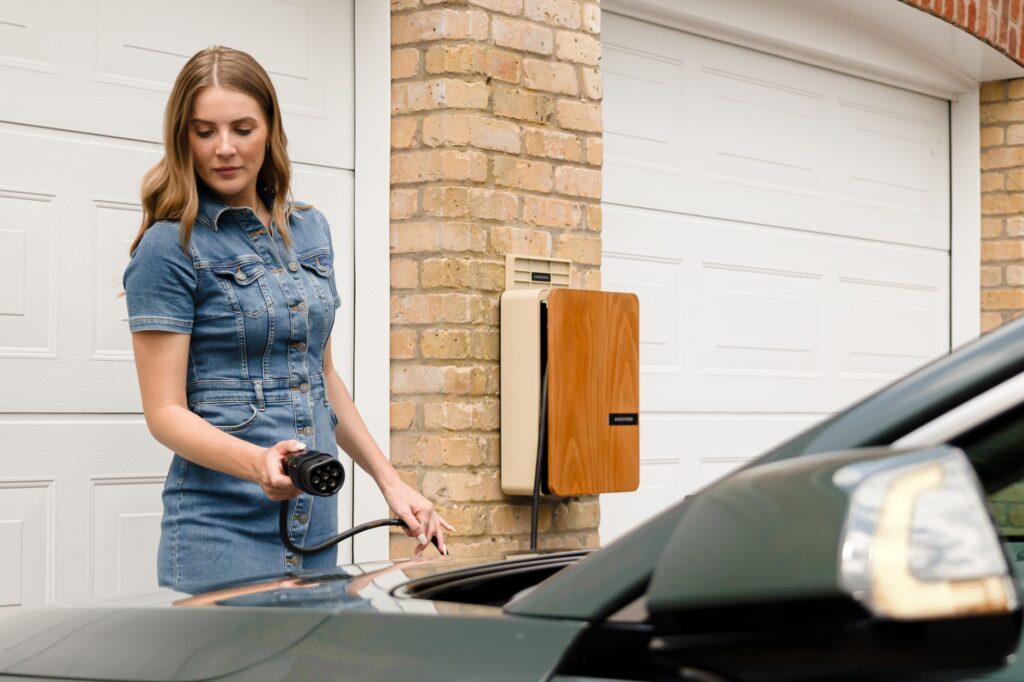
The charger is often the cheapest part of home charging. Your electrical panel, the distance to the garage and local permit rules decide the final bill.
We use analytics cookies to see which articles are read. No ads cookies. Privacy policy