Remedy Not Yet Available: Interim Recall Notice Rules and Steps
A remedy not yet available recall means the automaker must mail a first notice within 60 days and a second one once parts arrive. What to do meanwhile.

A recall marked “remedy not yet available” means the automaker has reported a safety defect to NHTSA but dealers do not have the parts or repair instructions yet. Federal rules still require a letter to owners no later than 60 days after the automaker files its recall report, and a second letter once the fix is ready. Until then, follow any precautions printed in the first letter, keep your address current with the state, and save receipts if you pay for a related repair yourself.
What is an interim recall notice?
“Interim notice” is the everyday name for the first of two owner letters in a recall where the repair is delayed. The rule behind it is 49 CFR 577.7 on the time and manner of notification. It says that if the remedy is not available when the automaker notifies owners, the company must send a second notification within a reasonable time once the remedy exists. The regulation does not put a number of days on “reasonable.”
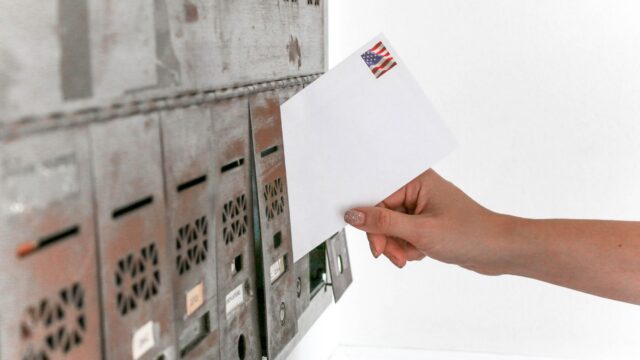
The first letter has to go out no later than 60 days from the date the manufacturer files its defect or noncompliance report. It travels by first class mail to the person registered under state law as the owner. If the automaker cannot work out who that is, it writes to the most recent purchaser it knows of.
NHTSA’s Administrator can also order a manufacturer to mail owners on a specific date. One factor the agency may weigh is whether the remedy will be delayed and for how long. Others are how severe the risk is, how likely the defect is to show up, and whether an owner can do something to reduce the chance or the consequences.
What does the letter have to tell me while parts are delayed?
Even without a fix, the letter must describe the defect, the risk, and any precautions you should take before the repair. The contents are set out in 49 CFR 577.5, the rule on what an owner notification contains. Look for these items:
- the words “IMPORTANT SAFETY RECALL” at the top, with your vehicle’s VIN below or in another conspicuous spot;
- which vehicle system or part is affected and what malfunction can occur;
- the operating conditions that can cause the malfunction;
- precautions, if any, that reduce the chance of the malfunction before the repair;
- whether the defect can cause a crash without prior warning, or what warning may come first;
- a statement that the remedy is without charge, and whether it will be a repair, a replacement or a refund;
- the earliest date the remedy will be available.
For a repair, that earliest date is the day the manufacturer reasonably expects dealers to receive the necessary parts and instructions. It is an estimate from the automaker, so treat it as a date to check back on.
The envelope must be marked “SAFETY RECALL NOTICE” in capital letters. Owners with an address in Puerto Rico get the letter in both English and Spanish. Our guide to when recall letters must be mailed and what they say goes through the full letter.
What can I do before the repair is ready?
Start with the precautions paragraph, because it is the only part of an interim letter you can act on right away.
- Read the conditions that trigger the malfunction and the precautions the automaker lists, and follow them. Some letters list none.
- Check whether the automaker or NHTSA has told owners to stop driving or to park outside. That advice is issued only for some recalls; see what a do not drive or park outside recall asks of owners.
- Look up your VIN at nhtsa.gov/recalls to confirm the recall applies to your vehicle and to see its status.
- Keep the letter. It has the recall identifiers a dealer will ask for; the difference between the two codes is covered in NHTSA campaign numbers and automaker recall codes.
- Make sure your state registration shows your current address, since the automaker finds owners through state records.
- Call a franchised dealer near the date in the letter and ask whether parts and instructions have arrived.
The notification rules quoted here do not mention loaner or rental cars. Ask the dealer or the automaker’s customer line what they provide during the wait.
When does the second notice come, and what does it add?
The second letter is due within a reasonable time after the remedy becomes available, and it must meet the same content rules as the first. This is the one that lets you book the repair. For work done at the manufacturer’s dealers, the letter has to give a general description of the job and the manufacturer’s estimate of how long the labor takes.
Dealers hear about a recall on a separate schedule. When a defect presents an immediate and substantial threat to safety, the manufacturer must notify dealers and distributors within three business days of sending its report to NHTSA if it does so electronically, or within five business days by other means.
Can I get money back if I already paid for the repair?
Possibly. Every recall report filed under 49 CFR 573.6, the defect and noncompliance information report, has to describe the manufacturer’s remedy program, and that program must include a plan to reimburse an owner or purchaser who paid to fix the recalled problem within a reasonable time before the automaker notified owners. The proposed owner letter that the automaker submits to NHTSA includes any provisions or attachments on reimbursement.
The exact conditions sit in each manufacturer’s plan, so read the reimbursement section of your letter and keep the repair invoice and proof of payment.
Do lessees and second owners get the notice?
Lessees are covered in two ways. Where the manufacturer and the leasing company have an agreement for direct notification, the manufacturer writes to the lessee itself. Otherwise the lessor must forward the notice by first class mail to the most recent lessee it knows of, within ten days of receiving it from the vehicle manufacturer.
Second owners are reached through registration records. If you bought the car used and never received a letter, the VIN lookup at nhtsa.gov/recalls shows open recalls regardless of who the letter went to.
Quick answers
How long can an automaker take to supply the remedy?
The notification rule sets no fixed deadline for the remedy itself. It requires the first letter no later than 60 days after the recall report and the second within a reasonable time once the remedy is available.
Will the remedy date in my letter change?
It can. A manufacturer must amend the remedy program information in its report within 5 working days after it has new information that updates or corrects what it filed earlier.
Is the repair free when it finally arrives?
Yes, when the manufacturer is required to remedy the defect without charge or does so voluntarily under the Act. The letter must say so and state whether the remedy is a repair, a replacement or a refund of the purchase price less depreciation.
How do I know the envelope is a real recall notice?
The outside carries the phrase “SAFETY RECALL NOTICE” in capital letters, in type larger than the address. Inside, the letter opens with “IMPORTANT SAFETY RECALL” and names your VIN.
Checked against official sources in November 2026. Hours, prices and rules change: confirm on the official page before you go or apply.