Rivian, Lucid and Scout Plan Without a Return of the $7,500 EV Credit
The CEOs of Rivian, Lucid and Scout told CNBC they are not planning on a new federal EV tax credit, even with Democrats taking Congress in January.
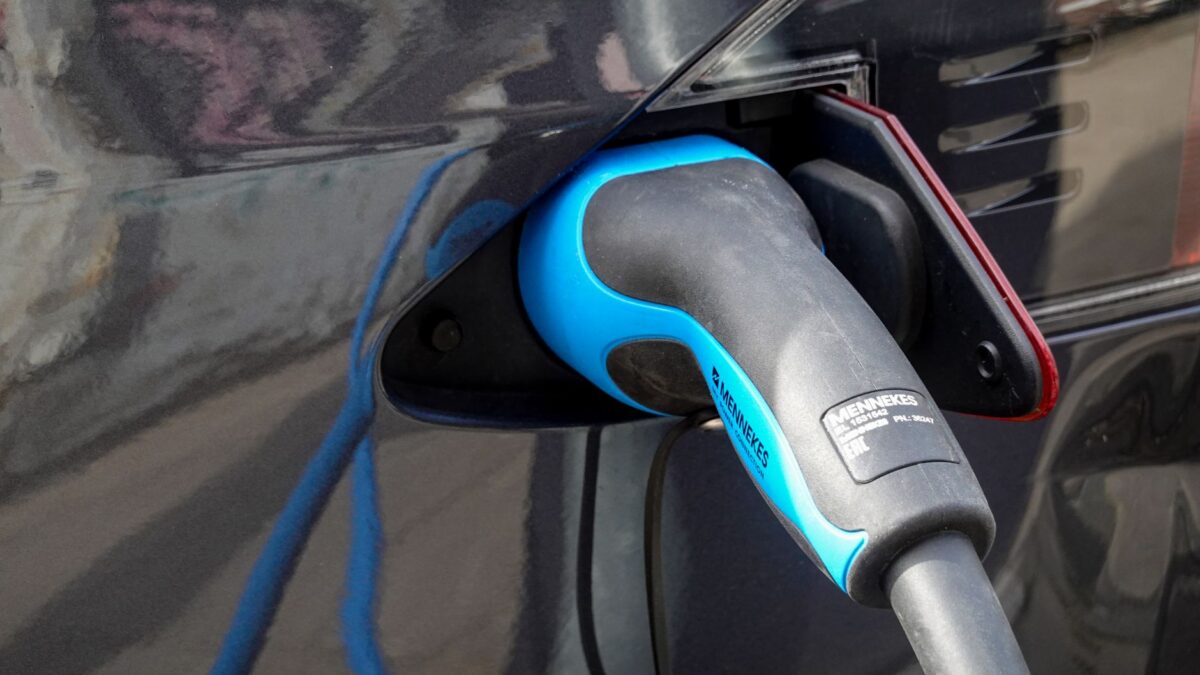
The chief executives of Rivian, Lucid and Scout Motors say their companies are not planning around a return of federal support for electric vehicles, CNBC reported. Democrats take control of Congress in January after their midterm wins, but the three EV makers are building their plans as if the tax credit stays gone.
For shoppers, that means the sticker price is the price. The federal credit of up to $7,500 ended for EVs bought after Sept. 30, 2025, and none of the three companies is telling buyers to wait for a replacement.
What the three CEOs told CNBC
Rivian chief executive RJ Scaringe said he hoped Congress and President Donald Trump could find middle ground on EV policy. His company is not counting on it. He told CNBC he expects “a lot of challenges getting things done” in Washington.
Lucid is taking the same position. The company, which is backed by Saudi Arabia’s Public Investment Fund, is preparing for no help while staying open to it. Chief executive Silvio Napoli summed it up with the old line about planning for the worst and hoping for the best, and added that Lucid would take anything positive.
Scout, the startup backed by Volkswagen, says it was set up from the beginning so that it would not depend on legislation. Chief executive Scott Keogh said that if support does come back, he would rather see it aimed at production than at buyers. Lower production costs, he argued, get passed along to the customer.
Sales rose before the deadline, then dropped
EV sales spiked ahead of the Sept. 30, 2025, cutoff as buyers moved to claim the credit while it still existed, and they have fallen since, according to CNBC. Readers who bought around that date can check who can still claim the federal EV credit.
Price remains the sticking point. Cox Automotive data cited in the report put the average new EV at $55,879 in September. The average new car of any kind sold for $50,562 in the same month. Without a federal credit, buyers cover that gap themselves or rely on whatever the manufacturer and their state put on the table.
California’s rebate covers Rivian and Lucid
Some states have stepped in with their own money. California’s new MyFirstEV rebate has a price cap, but the state waives that cap for carmakers that build only EVs and are based in California. Rivian and Lucid both qualify under that carve-out.
Why it matters for EV shoppers
A change of control in Congress has raised the question of whether the federal credit could return. The companies with the most to gain from it are telling investors and customers that they are not budgeting for one. Buyers comparing an EV with a gas model are doing that math at full price, with state programs as the main source of help.
Keogh’s preference also points to a different kind of aid than the one that expired. A credit for production would go to the manufacturer, and any saving would reach buyers only through lower prices, where the old credit went to the person buying the car.
What happens in Congress next
Rachel McCleery of the Coalition for Reimagined Mobility told CNBC she expects debates in Congress over incentives for EVs and for the supply chain. Those debates are not at the front of the line. Democrats’ early priorities include health care and oversight of the administration, CNBC said, and Scaringe’s comments suggest Rivian does not expect a quick deal between Congress and the White House.
Source: The Next Web