Recall Letters: When Automakers Must Mail Owners and What They Say
Automakers must mail a recall letter by first class mail within 60 days of filing the recall report. See what the envelope and the letter have to say.
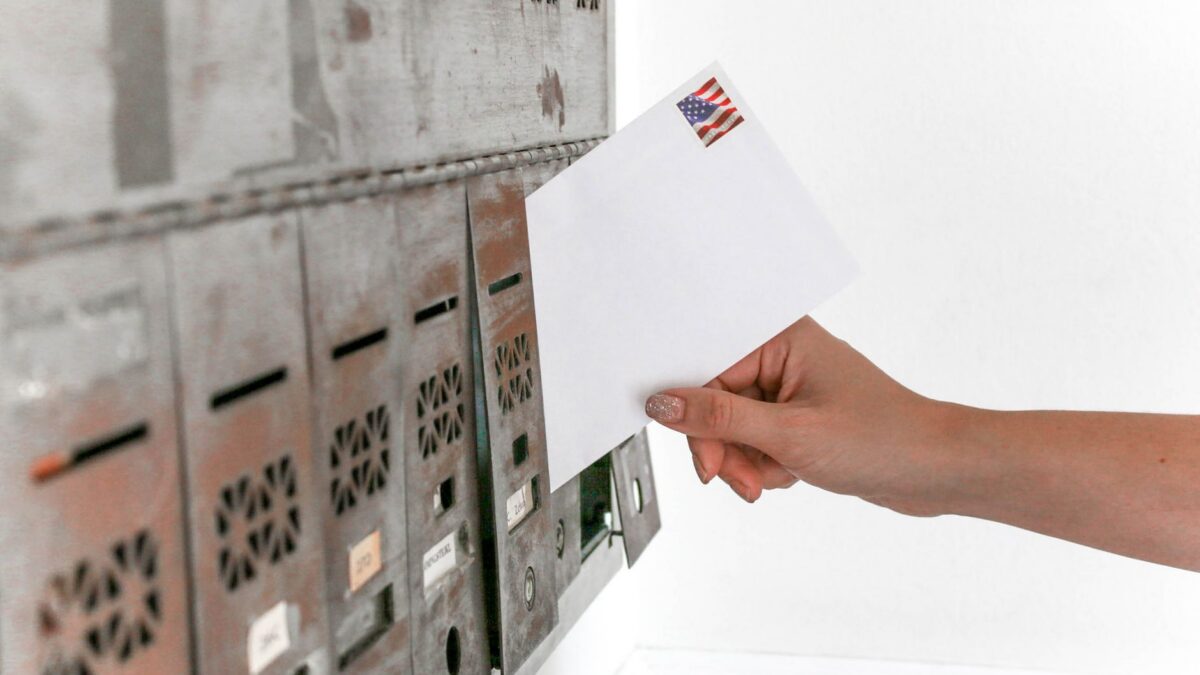
An automaker has to mail a recall letter to registered owners no later than 60 days after it files its defect or noncompliance report with NHTSA. The letter goes by first class mail, the envelope must carry the words “SAFETY RECALL NOTICE” in capital letters, and the letter itself must open with “IMPORTANT SAFETY RECALL” and name your vehicle by VIN. Federal rules also set out what the letter has to tell you about the defect, the risk and the free remedy.
How soon after a recall must the automaker mail owners?
The deadline is 60 days from the date the manufacturer files its defect or noncompliance information report, according to the federal rule on the time and manner of notification. That report is the filing that starts a recall, so the clock runs from the paperwork and does not wait for parts.
If the remedy is not ready when the first letter goes out, the manufacturer has to send a second notification within a reasonable time once the remedy is available. This is why some owners get an interim letter that describes the problem and a later one that says the dealer can now do the work.
NHTSA’s Administrator can also order a manufacturer to notify owners on a specific date when that is in the public interest. The factors the rule lists include how severe the safety risk is, how likely the defect is to occur, whether an owner can do something to reduce the likelihood or the consequences, and whether the remedy will be delayed and for how long.
When a recall follows an order from the Administrator, the notice is due within 60 days after the manufacturer receives that order, unless the order sets a shorter or longer period.
Who gets the letter, and how is it sent?
A vehicle manufacturer must send the notice by first class mail to each person registered under state law as the owner, as long as the name and address can reasonably be found through state records or other sources. If the owner cannot reasonably be identified, the manufacturer notifies the most recent purchaser it knows of.
Other cases have their own rules:
- Leased vehicles: where the manufacturer and the leasing company have an agreement for direct notice, the manufacturer mails the lessee too. Otherwise the lessor forwards the notice by first-class mail to the most recent lessee it knows of, within ten days of receiving it from the manufacturer.
- Replacement equipment: the maker mails the most recent purchaser it knows of, and the Administrator can require a public notice as well (tires excepted).
- Tires: notice goes by first class or certified mail.
The practical consequence for owners is that the letter follows the registration record. Someone who moved and did not update a registration, or who bought a used car recently, may never see it. A VIN search at nhtsa.gov/recalls shows open recalls whether or not a letter arrived. NHTSA has been reviewing how these notices work as more fixes arrive by software, as described in our report on the agency weighing fewer recall letters.
What must the envelope look like?
The outside of the envelope must include the phrase “SAFETY RECALL NOTICE” in all capital letters. Under the federal rule on owner notification, that phrase has to be printed in type larger than the address section and has to stand out from the other type in some way besides size. The envelope also carries a label required by a separate section of the same regulation.
Manufacturers do not design these envelopes freely. Unless NHTSA’s Recall Management Division has already approved the format, the manufacturer must submit the envelope it plans to use at least five Federal Government business days before mailing. A proposed copy of the letter, including anything about reimbursement, goes to the same division no fewer than five Federal Government business days before mailing starts.
An owner whose address is in Puerto Rico must receive the notification in both English and Spanish.
What does the top of a real recall letter say?
A genuine letter starts with three fixed elements, in this order:
- The statement “IMPORTANT SAFETY RECALL” at the top, in capital letters and in type larger than the body of the letter.
- Immediately below, for vehicle recalls, a sentence saying the notice applies to your vehicle, with the VIN of that particular vehicle filled in. If the VIN cannot go there, it must appear in another conspicuous place in the letter.
- An opening line saying the notice is sent in accordance with the National Traffic and Motor Vehicle Safety Act.
Next comes one of two statements. Either the manufacturer has decided that a defect which relates to motor vehicle safety exists in the identified vehicles, or it has decided that those vehicles fail to conform to a named Federal Motor Vehicle Safety Standard. The manufacturer may add that the defect or noncompliance may not exist in every vehicle covered.
Comparing the VIN in the letter with the VIN on your registration or dashboard is a quick way to confirm the notice is about your car.
What must the letter tell you about the defect and the risk?
The letter must give a clear description of the defect or noncompliance. The rule lists four parts:
- which vehicle system or item of equipment is affected;
- what malfunction can occur, and for a noncompliance, how the vehicle’s performance differs from what the standard specifies;
- any operating or other conditions that can cause the malfunction;
- any precautions the owner should take to reduce the chance of the malfunction before the repair.
That last item is where advice such as parking outdoors or not driving the vehicle appears when a manufacturer issues it. Our guide to do not drive and park outside recalls explains what owners should do in those cases, and the BMW fire-risk recall is a recent example of a park-outside instruction.
The letter must also evaluate the risk to safety. When a crash is a possible result, it has to say either that the defect can cause a crash without prior warning, or describe the warning that may occur and state that a crash can follow if the warning is not heeded. When a crash is not the possible result, the letter must state the general type of injury that can occur to people inside or outside the vehicle, along with any prior warning.
What does the letter have to say about the free repair?
When the manufacturer is required to fix the problem without charge, or does so voluntarily in line with the law, the letter must say so and say which form the remedy takes: repair, replacement, or refund of the purchase price (for a vehicle, less depreciation).
The letter must give the earliest date on which the remedy will be provided without charge. For a repair, that is the earliest date the manufacturer reasonably expects dealers or other service facilities to have the necessary parts and instructions. For a repair done through the manufacturer’s dealers, the letter also has to include a general description of the work and the manufacturer’s estimate of the labor time needed. If the repair is to be done at other service facilities, the letter must name the parts involved, with part numbers.
Owners who have the letter in hand can use that date and time estimate when booking with a franchised dealer. The remedy described in the letter is free.
Quick answers
Do dealers hear about a recall before owners do?
Often, yes. For defects that present an immediate and substantial threat to safety, the manufacturer must notify dealers and distributors within three business days of sending its report to NHTSA, or within five business days if it does not use electronic means. In other cases dealer notices follow the schedule the manufacturer submitted to the agency.
What if I never received a recall letter?
Letters go to the registered owner at the address in state records, so a move or a recent used-car purchase can leave you off the list. Search your VIN at nhtsa.gov/recalls and call a franchised dealer for your brand if a recall is open.
Why did I get two letters for the same recall?
The first letter has to go out within 60 days of the recall report even if the fix is not ready. The rules then require a second notification within a reasonable time once the remedy is available.
Is a recall letter sent by email valid?
The federal rule requires owner notification by first class mail. Dealers and distributors are the ones who can be notified by verifiable electronic means under the same rule.
Checked against official sources in November 2026. Hours, prices and rules change: confirm on the official page before you go or apply.