Do Not Drive and Park Outside Recalls: What Owners Should Do
The two most urgent recall warnings, what each one asks of you, and how to get the car to the dealer without driving it.
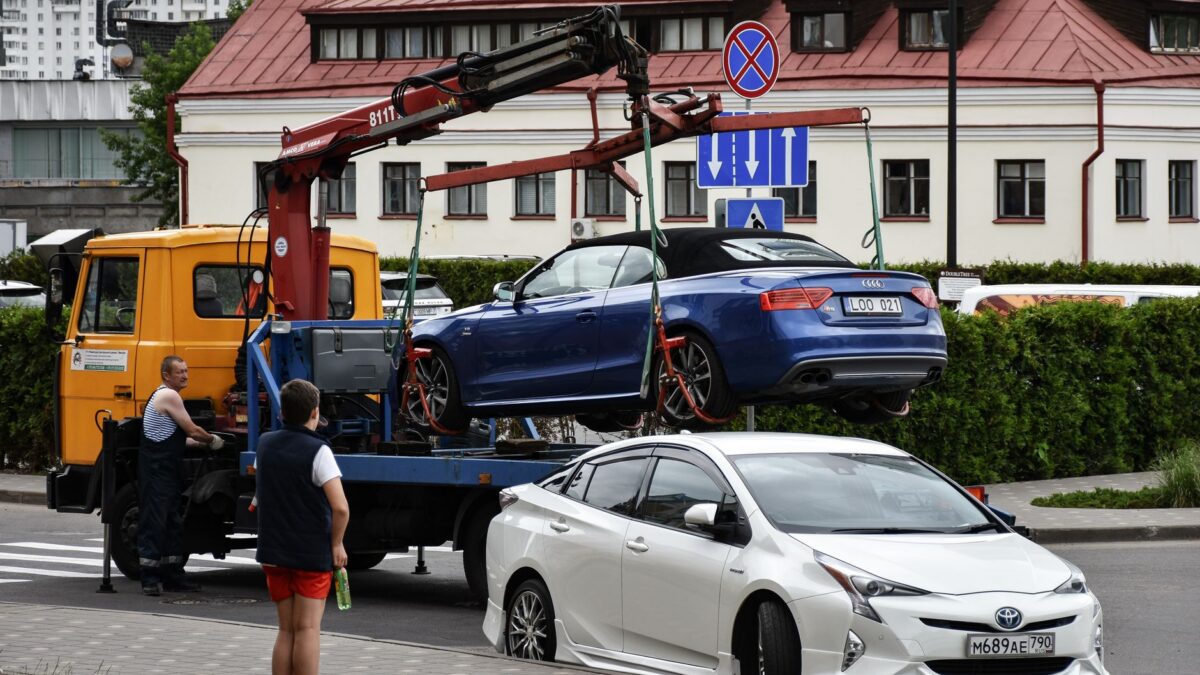
A “do not drive” recall means the automaker and NHTSA consider the car too dangerous to use at all until the repair is done. A “park outside” recall means the car can catch fire even when it is off, so it should be parked in the open, away from buildings and other vehicles. In both cases the recall repair is free at a franchised dealer.
These warnings are rare. Most recalls tell owners to book a repair when parts arrive. The two urgent labels are reserved for defects where the risk starts the moment the car moves, or while it sits in the garage overnight.
What does a “do not drive” recall mean?
It means you should stop using the vehicle now and leave it parked until a dealer has fixed it. The label is used when a defect can cause injury in normal driving with little or no warning: an airbag inflator that can rupture and throw metal fragments, a suspension part that can separate, wheels that can come off, or a transfer case that can lock the wheels.
The best-known examples are older vehicles with Takata airbag inflators. Honda, Acura, Ford, Mazda and Stellantis have all issued do not drive warnings for specific model years with these parts. You can see which models are still affected in our guide to checking for Takata airbag recalls.
Newer cars get the label too. In June 2026, Ford told owners of about 4,650 Bronco Sport and Maverick vehicles not to drive them because a front suspension ball joint could separate.
What does a “park outside” recall mean?
It means the defect can start a fire with the engine off and the key out, so the car should not be parked in a garage, carport or under a building. Typical causes are wiring that can short, a component that stays powered after shutdown, or a leaking part near a heat source.
Driving is usually allowed under a park outside warning unless the notice says otherwise. The risk is where the car sits. Park it in the open, ideally with space on all sides, until the repair is done. If the recall notice lists warning signs such as a burning smell or smoke, stop using the car and call the dealer.
How do I find out if my car has one of these warnings?
Enter your 17-character VIN in the lookup tool on NHTSA’s recalls page. The result lists every open recall for that exact car, and urgent campaigns are marked with the do not drive or park outside language. The VIN is on the lower corner of the windshield on the driver’s side, on the driver’s door jamb and on your registration.
- Go to nhtsa.gov/recalls and enter the VIN.
- Read every open recall, not just the first one. Older cars often have more than one.
- Open the recall details and look for the words “do not drive” or “park outside.”
- Check again every few months. A remedy can be added later, and urgent labels can be added when a recall is expanded.
Automakers also mail notices to the registered owner. If you bought the car used or moved, the letter may never have reached you, which is why the VIN check matters. Our step-by-step guide to checking car recalls by VIN explains what “recall incomplete” and “remedy not yet available” mean.
Who pays for towing, a loaner or a rental?
The recall repair itself is free by law, but towing, loaners and rental cars depend on the automaker’s program for that campaign. Federal law requires the manufacturer to remedy the defect at no charge. It does not set a nationwide rule for alternate transportation.
In practice, automakers often offer free towing for do not drive recalls, because the owner is told not to drive to the dealer. Many also offer a loaner or rental while the car waits for parts. Ford’s June 2026 Bronco Sport and Maverick advisory, for example, offered free towing to the dealer. Other campaigns do not mention towing or loaners.
When you call the dealer, ask these questions directly:
- Will the automaker pay to tow the car to your service department?
- Is a loaner or rental car available under this recall, and for how long?
- Are parts in stock, and how long is the wait if they are not?
- If I already paid for towing or a rental, how do I submit receipts for reimbursement?
If the dealer says no, call the automaker’s customer care line listed in the recall notice. Dealers handle the repair, but the manufacturer sets what the campaign covers. Keep a note of each call, with the date and the name of the person you spoke to.
What if parts are not available yet?
If the remedy is not ready, the automaker must still notify owners, and it later sends a second notice when parts arrive. For a do not drive recall, the instruction to leave the car parked stays in effect while you wait. That is when a loaner or rental matters most, so ask the automaker what interim help it offers.
Some automakers have offered to buy back very old vehicles under do not drive warnings, or have sent mobile repair teams to owners. These offers vary by campaign and are announced in the recall notice or on the automaker’s recall site. For the general rules on who pays and how old a car can be, see our explainer on whether recall repairs are free.
Can I sell or rent out a car under a do not drive recall?
A private owner can legally sell a car with an open recall in most states, but you should tell the buyer and give them the recall notice. Dealers are barred from selling new vehicles with open recalls, and rental companies covered by federal law may not rent out vehicles with open safety recalls until they are fixed. Getting the repair done first is the simplest route, since it is free and removes the question for the next owner.
Bottom line
A do not drive notice means the car stays parked: check the VIN at nhtsa.gov and call the dealer to arrange towing and the free repair. With a park outside notice, you can usually keep driving, but the car should sleep in the open until it is fixed.
FAQ
Can I drive the car to the dealer for a do not drive recall?
No. The warning applies to every trip, including the one to the service department. Ask the dealer or automaker to arrange towing, which is commonly covered for these campaigns.
Is my insurance affected if I keep driving a car with a do not drive recall?
Policies differ, and the recall itself does not cancel coverage. Driving a car you were told is unsafe can still complicate a claim, so check with your insurer and get the repair scheduled.
How long does a park outside warning last?
It lasts until the recall repair is done on your car. After the repair, the VIN lookup will show the recall as remedied, usually within a few weeks of the dealer submitting the claim.
Do these warnings apply to used cars I just bought?
Yes. A recall follows the VIN, not the owner, so a used car inherits any open recall. Run the VIN check right after purchase and register your contact details with the automaker so future notices reach you.