Buying Your First EV: Range, Charging, Warranty and Yearly Cost
Buying a first EV comes down to four checks: real range, where you will charge, battery warranty terms and yearly running cost. Here is how to work each out.
A first-time EV buyer should check four things: how much range the car delivers in real driving, where it will be charged most nights, what the battery warranty covers and what a year of electricity will cost. Most owners who can charge at home find that a modern EV with a rated range well above their daily mileage fits ordinary life without trouble.
The steps below show how to work out each point before signing anything.
How much range do you actually need?
Start from your daily driving, not the largest number on the window sticker. Most commuters drive far less in a day than any current EV can cover, so the rated range matters mostly for road trips and for winter.
The EPA rating is measured in standardized tests, and real range changes with speed, temperature, cargo and terrain. Cold weather and sustained highway speeds usually cut range noticeably, so leave a margin. A useful rule is to want a rated range at least 1.5 to 2 times the longest regular day you drive. The article on how EV range is tested and rated explains why a car can fall short of its label.
Where will you charge, and how fast?
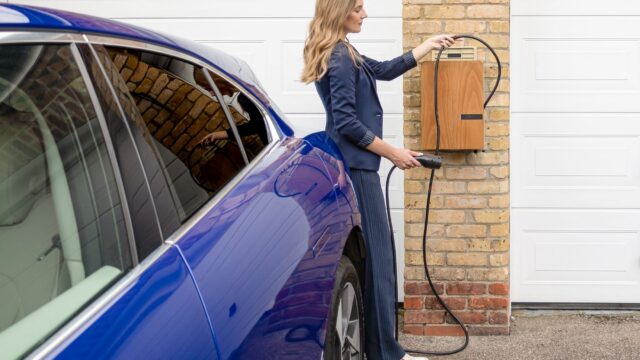
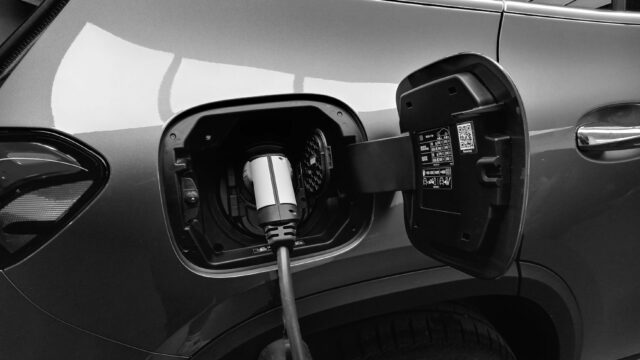
Charging at home is the cheapest and most convenient option, and it decides how comfortable EV ownership is. There are three common levels:
- Level 1: a standard 120-volt outlet. It adds only a few miles of range per hour, which suits short daily drives.
- Level 2: a 240-volt circuit, like a dryer outlet or a wall-mounted charger. It typically adds range several times faster than Level 1 and refills most batteries overnight.
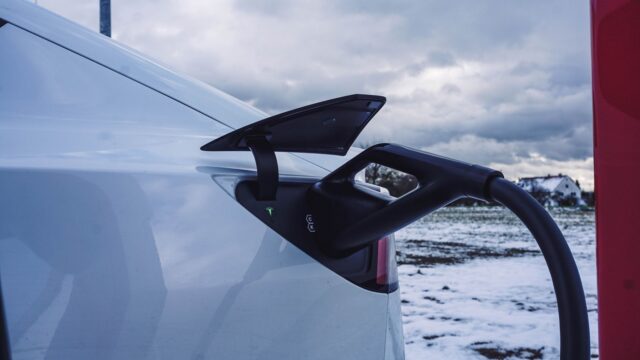
- DC fast charging: public stations used mainly on trips, which can add a large share of range in well under an hour on cars that support it.
If you rent or live in an apartment, ask the landlord or building about outlets and shared chargers before you buy. If you can charge at work or at a reliable public station, home charging is less critical, though public rates are usually higher. For installation prices and incentive status, see home EV charger installation cost. The U.S. Department of Energy’s Alternative Fuels Data Center has a map of public stations.
What does the battery warranty cover?
A battery warranty usually runs 8 years or 100,000 miles, whichever comes first, though terms differ by brand and state. Many warranties also promise a minimum level of remaining capacity over that period, often around 70 percent, and a battery that has merely lost some range may not qualify. Read the fine print for the capacity threshold, whether the term transfers to a second owner and what counts as a covered failure.
Battery warranties are separate from the basic warranty on the rest of the car, which is usually shorter. A comparison by brand is in the guide to EV battery warranty years, miles and capacity.
What does an EV cost to run for a year?
You can estimate it with three numbers: the miles you drive per year, the car’s efficiency in kilowatt-hours (kWh) per mile, and your price per kWh. Multiply them together. Many EVs use somewhere around 0.25 to 0.35 kWh per mile, and the EPA label on the car gives its figure. Your electric bill shows your rate.
Home charging on an overnight or off-peak plan is cheapest, and fast charging in public typically costs more per kWh. Compare the result with your current fuel spend, using your own gallons per year and local gasoline price. The breakdown in cost to charge an EV at home versus fast chargers shows how the rate changes the answer. The Department of Energy’s fueleconomy.gov lists efficiency and estimated annual fuel cost for each model.
Also add the costs that EVs do not remove: insurance, tires, registration fees (some states add an EV fee) and a home charger if you need one. EVs skip oil changes and have fewer moving parts, so routine maintenance is usually lower.
What should you check before you buy?
- Write down your longest regular day of driving and compare it with the rated range.
- Confirm where you will charge on a normal week.
- Get a quote from an electrician if you want a Level 2 circuit.
- Read the battery warranty terms, not just the headline years and miles.
- Check current federal, state and utility incentives, because they change and may have ended or changed for your car.
- Call your insurer for a quote on the exact model.
If you are unsure between an EV and a car that still uses some gasoline, hybrid versus plug-in hybrid versus EV compares fuel cost, charging and upkeep.
Quick answers
Can I own an EV without a home charger?
Yes, if you have reliable charging at work or a nearby public station. Expect higher cost per mile and more planning.
Does cold weather really reduce range?
Yes. Cabin heating and cold batteries reduce range, and the loss is larger on short trips and at highway speed. Preheating while plugged in helps.
Does the battery wear out quickly?
Batteries lose capacity gradually over years of use. The warranty terms above set a minimum level, and frequent fast charging and constant full charges can speed the loss.
Is a used EV a good first choice?
It can be, but ask for a battery health report and check whether the remaining warranty transfers to you.