Home EV Charger Installation Cost and Whether a Tax Credit Is Left
The charger is often the cheapest part of home charging. Your electrical panel, the distance to the garage and local permit rules decide the final bill.
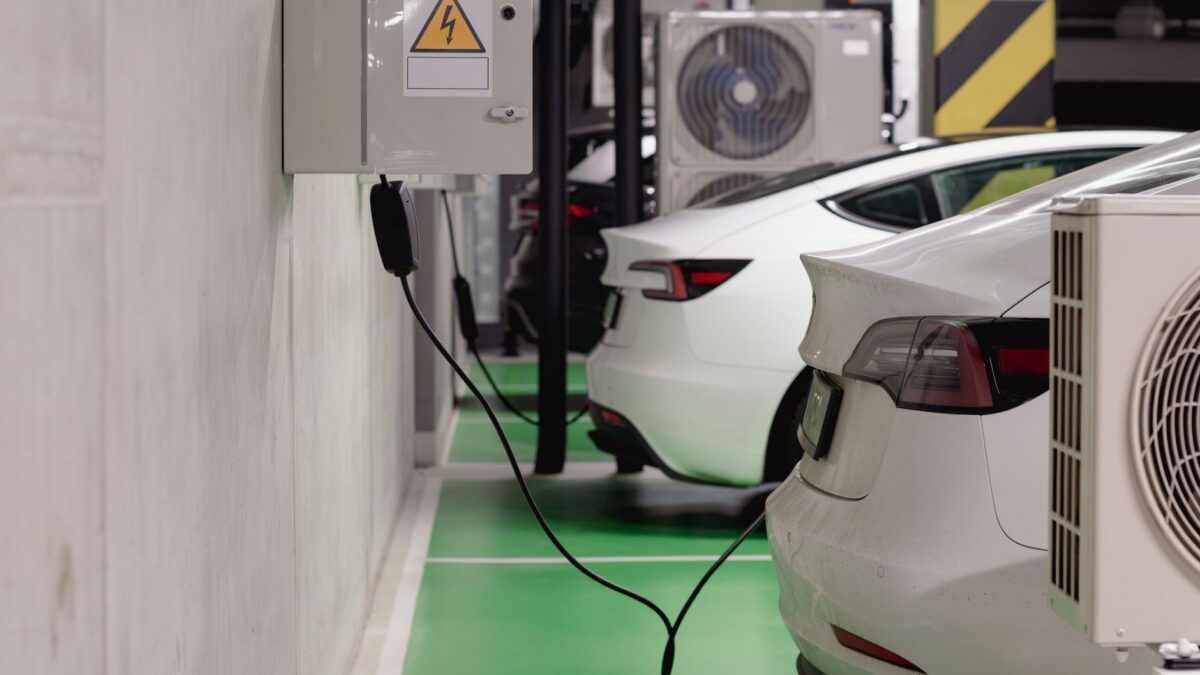
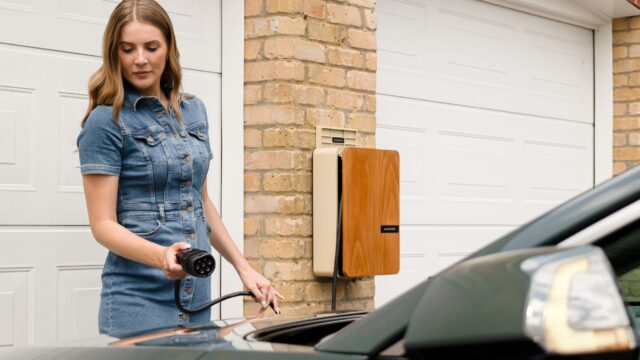
A Level 2 home EV charger costs about $380 to $690 for the unit, according to figures cited by the Department of Energy’s Alternative Fuels Data Center (AFDC), and installation adds more depending on wiring, permits and whether your electrical panel needs an upgrade. The federal 30C credit for home chargers covered property placed in service from January 1, 2023, to June 30, 2026, so a charger installed after that date does not qualify.
Utility and state rebates still exist in many areas, and they can cover part of the hardware or wiring.
What does a Level 2 charger cost to buy?
The charger itself usually runs a few hundred dollars. The AFDC’s charging infrastructure page cites a Rocky Mountain Institute range of $380 to $690 for a residential Level 2 unit.
Price differences come from power output, cable length, Wi-Fi scheduling features and whether the unit plugs into a 240-volt outlet or is hardwired. Some automakers include a portable charging cord with the car. Those cords often work on a regular 120-volt outlet (Level 1) and some also work on a 240-volt outlet.
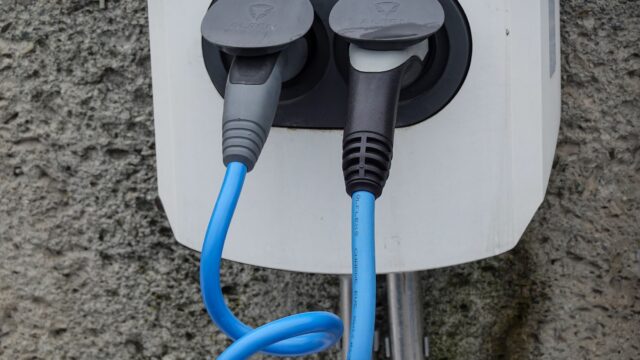
Choose the plug that matches your car. Many newer EVs use the NACS port, while others use the J1772 plug for Level 2 charging, and adapters exist for both directions. Our guide to NACS vs CCS charging explains which brands use which port.
How much does installation cost?
Installation is the part that varies most. The AFDC cites a national laboratory estimate of about $1,300 per connector for residential Level 2 installation, not counting labor and permitting, from the report Levelized Cost of Charging EVs in the United States.
The main cost drivers are:
| Cost driver | Why it matters |
|---|---|
| Distance from the panel | Longer wire runs need more copper, conduit and labor |
| Spare panel capacity | A Level 2 charger needs a dedicated 240-volt circuit; a full or small panel may need an upgrade |
| Utility service upgrade | If the home’s electrical service is too small, the utility may have to upgrade it, which can take time |
| Wall or trenching work | Running wire through finished walls or to a detached garage or driveway adds cost |
| Permit and inspection | Most local building departments require an electrical permit and inspection |
A charger mounted in an attached garage next to a panel with spare capacity sits at the low end. A detached garage, a long outdoor run or a panel replacement puts the job at the high end. Get two or three written quotes from licensed electricians, each listing the circuit size, wire, permit and any panel work.
Do I need a permit and a licensed electrician?
In most places, yes. The AFDC advises that charging installations be done by a licensed electrical contractor and that the installer get a permit from the local building authority before starting.
A permit leads to an inspection, which checks the circuit size, breaker and grounding. The AFDC also suggests checking with your utility about service upgrades before you buy a charger, since an upgrade can take months.
Is the federal 30C charger tax credit still available?
Not for new home installations. For individuals, the IRS says the alternative fuel vehicle refueling property credit applies to property placed in service from January 1, 2023, to June 30, 2026, as of November 2026.
If your charger was placed in service by June 30, 2026, the credit was 30% of the cost, up to $1,000 per charging port, claimed on Form 8911. The home also had to be in an eligible low-income or non-urban census tract. Check your address with the census tract tool linked from the IRS page, and ask a tax professional if you are unsure. The vehicle credits ended earlier; our explainer on the end of the federal EV tax credit covers them.
Are there utility or state rebates?
Often, yes. Many electric utilities and some states offer rebates on a Level 2 charger, on installation or on panel upgrades, and some offer special time-of-use rates for EV charging.
- Search your state on the AFDC laws and incentives database, filtering for electricity and residential incentives.
- Check your utility’s EV page for charger rebates, qualified charger lists and enrollment rules.
- Read the rules before you buy. Many programs require a listed charger model, a licensed installer, a permit or enrollment in an EV rate plan.
- Keep receipts, the permit and photos of the installed unit for the rebate application.
Do I need Level 2 at all?
Not always. A standard 120-volt outlet (Level 1) adds range slowly, and it can be enough for drivers with short commutes who park overnight for many hours.
Level 2 makes sense if you drive longer distances daily, have a large battery or share one charger between two EVs. Before deciding, compare your daily miles with what each level adds overnight. Our guide to the cost to charge an EV shows what home charging costs per 100 miles once the charger is in.
Bottom line
Budget a few hundred dollars for the charger and get electricians’ quotes for the rest, since wiring and panel capacity set the real price. The 30C credit no longer covers chargers placed in service after June 30, 2026, so local utility and state rebates are now the main way to cut the cost.
FAQ
Can I install a Level 2 charger myself?
Local rules decide, and many areas require a licensed electrician or a permit with inspection for a new 240-volt circuit. Federal energy guidance recommends a licensed electrical contractor.
Can a renter or condo owner install a charger?
You need the landlord’s or association’s permission. Some states have “right to charge” laws that limit how an association can refuse, so check your state’s rules.
Does a home charger raise my electric bill much?
That depends on how far you drive and your rate. A time-of-use EV rate can lower the cost of overnight charging.
Can I still claim 30C for a charger installed in early 2026?
The IRS window for individuals ran through June 30, 2026, so a charger placed in service by then may qualify if the home is in an eligible census tract. Claim it on Form 8911 with that year’s return.