How to Check a Used EV’s Battery Health Before You Buy
The battery is the most expensive part of a used electric car. These are the ways to measure its health, read the numbers and confirm what warranty still covers it.
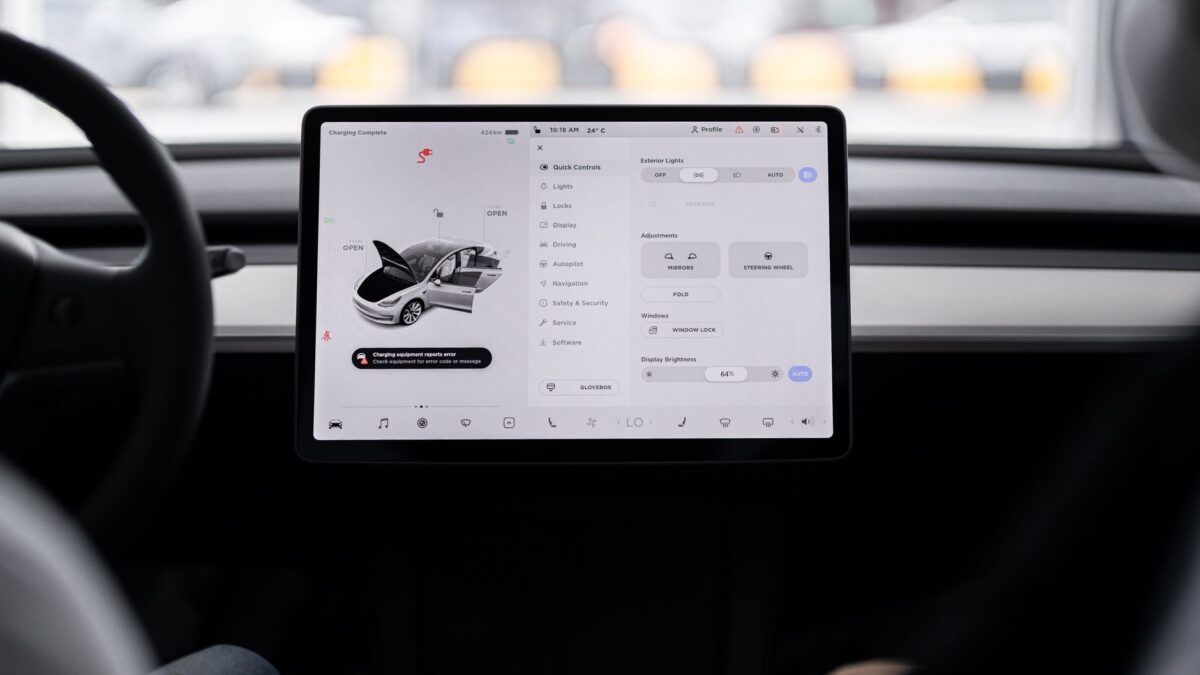
To check a used EV’s battery health, ask for a state-of-health reading, either from the car’s own battery health screen, a battery report from a franchised dealer of the brand, or an OBD-II scan tool with an app that reads the battery data. Compare the result with the car’s original capacity, and confirm the remaining battery warranty by VIN before you pay.
A healthy pack is the difference between a good used EV and an expensive one. Most batteries keep the bulk of their capacity for many years, but a weak pack shows up as short range and slow charging, and a replacement out of warranty can cost as much as the car is worth.
What is battery state of health?
State of health (SOH) is the battery’s usable capacity today as a percentage of what it held when new. A pack at 90% SOH that started with 80 kWh of usable energy now holds about 72 kWh, and range drops by roughly the same share.
SOH is different from state of charge, the percentage on the dashboard that tells you how full the battery is right now. A car can show 100% charge and still have a battery at 85% health.
The Department of Energy’s Alternative Fuels Data Center says studies suggest an EV battery could have at least 70% of its initial capacity left at the end of its life in the car, and fueleconomy.gov says a DOE study suggests packs may last 12 to 15 years in moderate climates and 8 to 12 years in severe ones.
How do I check battery health on a used EV?
Use more than one method if you can. Each has limits.
- Look for a battery health screen. Some newer EVs show battery health in the infotainment or service menu. California’s Advanced Clean Cars II rules call for a battery state-of-health readout on zero-emission vehicles from the 2026 model year, and some automakers added one to 2026 models to comply. Older cars may show only an estimated range.
- Ask a franchised dealer for a battery report. The brand’s diagnostic software reads the battery management system directly. Ask for a printed report with the SOH or capacity figure, the date and the mileage. A seller who has nothing to hide can usually arrange one before the sale.
- Use an OBD-II reader and app. A Bluetooth OBD-II dongle plugged into the port under the dash, paired with an app that supports your model, can read capacity, cell voltages and temperature. Support varies by brand, so check that the app lists the exact model and year.
- Do a range check. Charge to 100% (or the highest level the owner uses), note the estimated range, then drive a known route and compare energy used. It is rough, because temperature and driving style move the numbers, but a large gap from the original EPA range is a warning.
- Check charging speed. At a DC fast charger, watch the power in kW with the battery between about 20% and 50%. A pack that charges far slower than the model’s usual peak may have a problem, though a cold battery also charges slowly.
How much battery loss is normal?
No government source sets one “normal” rate, because loss depends on chemistry, climate, mileage and charging habits. Many packs lose a few percent in the first years and then degrade more slowly.
The best benchmark is the warranty itself. Many EV battery warranties promise at least 70% of original capacity during the warranty term, typically 8 years and 100,000 miles, and Hyundai and Kia use 10 years and 100,000 miles. A car well above 70% at year five is in reasonable shape for its age; one close to 70% has used most of its margin.
Range can also drop in winter for reasons that have nothing to do with battery health. Our guide to EV range in cold weather explains how much that seasonal loss can be, so a test drive in January does not mislead you.
What warning signs should I look for?
Look for anything that points to a damaged or replaced pack.
- Dashboard warnings about the high-voltage battery or charging system.
- Open recalls on the battery or battery software. Check the VIN at nhtsa.gov/recalls; some battery recalls cap charging at 80% until repaired, and recall repairs are free at a franchised dealer.
- A salvage, flood or rebuilt title, since water and crash damage are excluded from battery warranties.
- Service records showing repeated battery module work.
- Range or charging speed far below other cars of the same model and year.
A free vehicle history check through NICB and NMVTIS shows title brands and insurance total losses. Our free vehicle history check guide walks through both.
Does the battery warranty transfer to me?
Usually yes. High-voltage battery warranties generally stay with the car for the time and miles left from the original in-service date, the day the car was first sold or leased.
Read the warranty booklet for the exact model year, because terms differ. Some brands with long powertrain warranties limit those to the first owner, so a used buyer’s coverage may be shorter than the headline number. Our guides to EV battery warranties by brand and factory warranty transfer cover the terms and the exceptions.
- Get the VIN and the original in-service date from the seller or a dealer.
- Call a franchised dealer or the automaker’s customer line and ask for the battery warranty end date and mileage for that VIN.
- Ask whether the warranty covers capacity loss, and below what percentage.
- Get any certified pre-owned battery coverage in writing.
Is a certified pre-owned EV safer to buy?
Often. Many automaker certified programs include a battery inspection and add warranty coverage, and the factory battery warranty still applies on top. Ask the dealer for the battery result from the certification inspection, not just the checklist.
“Dealer certified” is not the same as automaker certified. Only the automaker’s program is backed by the brand. Ask which one applies before you rely on any certified coverage.
Bottom line
Get a number, not a promise: a state-of-health reading from the car, a dealer or a scan tool, plus the battery warranty end date for the VIN. A used EV that holds well above its warranty threshold with time left on the battery warranty is a much safer purchase than one sold on its range estimate alone.
FAQ
What battery health percentage is good for a used EV?
Higher is better, and the warranty threshold, often 70%, is the floor. Compare the reading with other cars of the same model and age, since chemistry and climate change what is typical.
Can a seller reset the range estimate to hide a weak battery?
The range estimate on the dashboard depends on recent driving and can change, which is why it is not a health test. A reading from the battery management system through a dealer or scan tool is harder to influence.
Does fast charging ruin a used EV’s battery?
EVs are designed to use DC fast charging, and normal use under the owner’s manual is covered by the warranty. Heavy fast charging in hot climates may add wear, so it is one more reason to check the actual health figure.
Should I buy a used EV with no battery warranty left?
Only with a recent state-of-health report and a price that reflects the risk. Get a written quote for battery repair or replacement from a franchised dealer so you know the worst case.