Hydrogen vs Battery Electric Cars: Refueling, Range, Cost
Hydrogen cars refuel in about 5 minutes, but battery EVs won on cost and charging access. Compare refueling, range, price and why most automakers chose batteries.
A hydrogen fuel cell car refuels in roughly 5 minutes and makes its own electricity on board, while a battery electric car stores electricity from the grid and takes anywhere from about 20 minutes on a fast charger to several hours at home. Most automakers chose batteries because charging can happen almost anywhere there is power, while hydrogen needs a dedicated station network that barely exists outside parts of California.
Both types are electric cars: an electric motor turns the wheels. The difference is where the electricity comes from. This guide compares how each one refuels, how far it goes, what it costs to own and why the industry mostly settled on batteries.
How does a hydrogen car work compared with a battery EV?
A hydrogen car carries compressed hydrogen gas in a tank and feeds it to a fuel cell stack, which combines hydrogen with oxygen from the air to produce electricity and water vapor. That electricity runs the motor, and most models also have a small battery that captures braking energy and smooths power delivery.
A battery electric vehicle has no fuel cell and no tank. It stores all its energy in a large lithium-ion battery pack that is filled from a wall outlet, a home charger or a public fast charger. Tailpipe emissions are zero for both, but the emissions behind the fuel differ: hydrogen is made today mostly from natural gas, with a smaller share made by splitting water using electricity, and the cleanliness of the grid decides how green a battery car is.
Which one refuels faster?
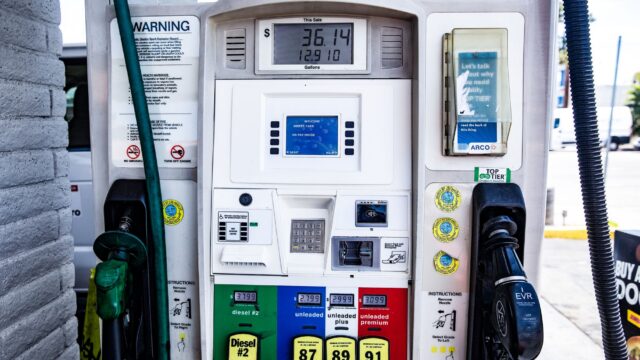
Hydrogen refuels faster. Filling a tank at a hydrogen pump feels like filling a gasoline car: you connect a nozzle, the pump pressurizes the tank (typically to 700 bar, about 10,000 psi), and you are done in around 5 minutes.
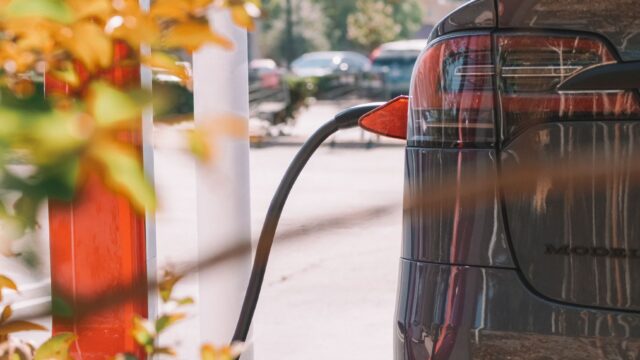
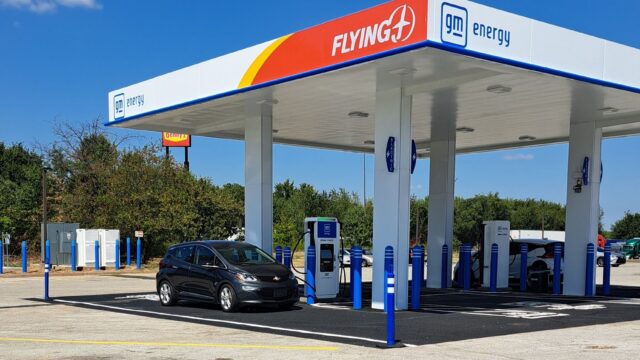
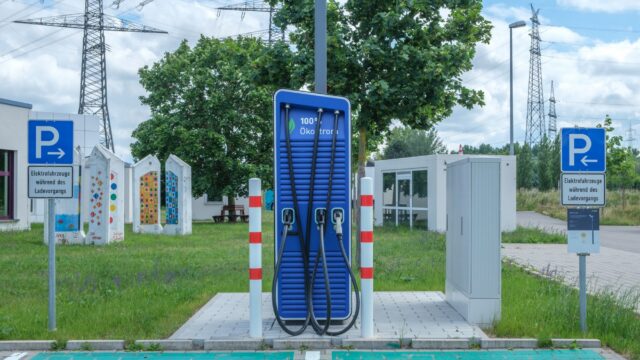
Battery EVs vary widely. A Level 1 outlet adds only a few miles of range per hour. A Level 2 home or workplace charger usually fills a battery overnight. A DC fast charger can add a large share of range in about 20 to 40 minutes, depending on the car, the battery temperature and the charger. Because most owners charge at home while they sleep, the slower speed rarely matters in daily use, but it matters on road trips.
How do range and efficiency compare?
Range is similar on paper. Hydrogen cars sold in the US have been rated in the same general territory as mid-range and long-range EVs, and both lose some range in extreme cold or heat. The EPA rates both types, and the numbers for individual models are listed on the Department of Energy’s fueleconomy.gov site. For background on how those ratings are produced, see our guide to EPA range versus real-world range.
Efficiency is where batteries pull ahead. A battery car sends grid electricity into a battery and back out to the motor with modest losses. Hydrogen takes more steps: electricity or natural gas is used to make hydrogen, the hydrogen is compressed or liquefied, trucked to a station, and then converted back to electricity in the fuel cell. Each step loses energy, so a hydrogen car needs considerably more primary energy to travel the same distance.
What does each cost to buy and run?
Hydrogen cars have been sold in very small numbers, mainly through lease deals in California, and often with fuel allowances included. Hydrogen at the pump has been priced per kilogram, and in practice has cost far more per mile than home electricity or even most public charging. Fuel cell stacks use platinum-group metals and high-pressure carbon-fiber tanks, which keep vehicle costs high at low volume.
Battery EVs cover a wide price range, from small commuter cars to trucks and luxury models, and home charging is generally the cheapest way to fuel any car. Public fast charging costs more, and prices differ by network and state. For models coming soon, see new EVs for 2027. Hydrogen owners also face a second risk: if the local station closes or breaks down, there is no backup fuel source, and station outages have been a recurring complaint among owners.
Why did most automakers choose batteries?
Batteries won for a handful of practical reasons that reinforced one another:
- Infrastructure: every home with an outlet is a potential charging point, while a hydrogen station is expensive to build and needs a steady hydrogen supply.
- Efficiency: less energy is lost between the power plant and the wheels.
- Scale: battery costs fell as production grew, and each new EV factory made the next one cheaper.
- Choice: by the time hydrogen cars reached showrooms, many battery models were already available at different prices.
Some automakers still develop fuel cells, mostly for heavy trucks, buses and fleets that return to one depot and need fast refueling and heavy payloads. Hybrid approaches are also appearing, such as extended-range EVs that add a small engine to a battery pack, as in Toyota’s extended-range EV for China.
Is a hydrogen car a sensible choice today?
For most US drivers, no, because the stations are not there. Public hydrogen stations are concentrated in California, and a car without a nearby station cannot be driven far. The Department of Energy’s Alternative Fuels Data Center lists station locations and is worth checking before considering any fuel cell vehicle.
A hydrogen car can make sense only for someone who lives and works within reach of several working stations and who values quick refueling. Anyone else will likely find a battery EV or a hybrid easier to live with.
Quick answers
Are hydrogen cars safe?
Hydrogen cars must meet the same federal crash standards as other vehicles, and their tanks are built to resist impact. Hydrogen is flammable, so tanks include pressure relief devices and sensors. As with any vehicle, check for open recalls using your VIN at nhtsa.gov/recalls.
Do hydrogen cars produce emissions?
Only water vapor comes out of the tailpipe. The overall emissions depend on how the hydrogen was produced, and hydrogen made from natural gas carries emissions at the production plant.
Can I charge a hydrogen car at home?
No. A hydrogen car fills at a hydrogen pump, because the gas is stored in a high-pressure tank. Home refueling is not available for consumer vehicles today.
Why does cold weather matter for battery EVs?
Cold slows the chemical reactions in a battery, so range drops and charging takes longer. Preconditioning the battery while the car is plugged in helps, and our guide to car batteries in cold weather covers the conventional 12-volt battery that also gets weaker in winter.