Scout Motors Hits 210,000 Reservations, Up From 160,000
Scout Motors says it has 210,000 reservations, up from 160,000, as its South Carolina plant nears completion. Production is planned for 2027.
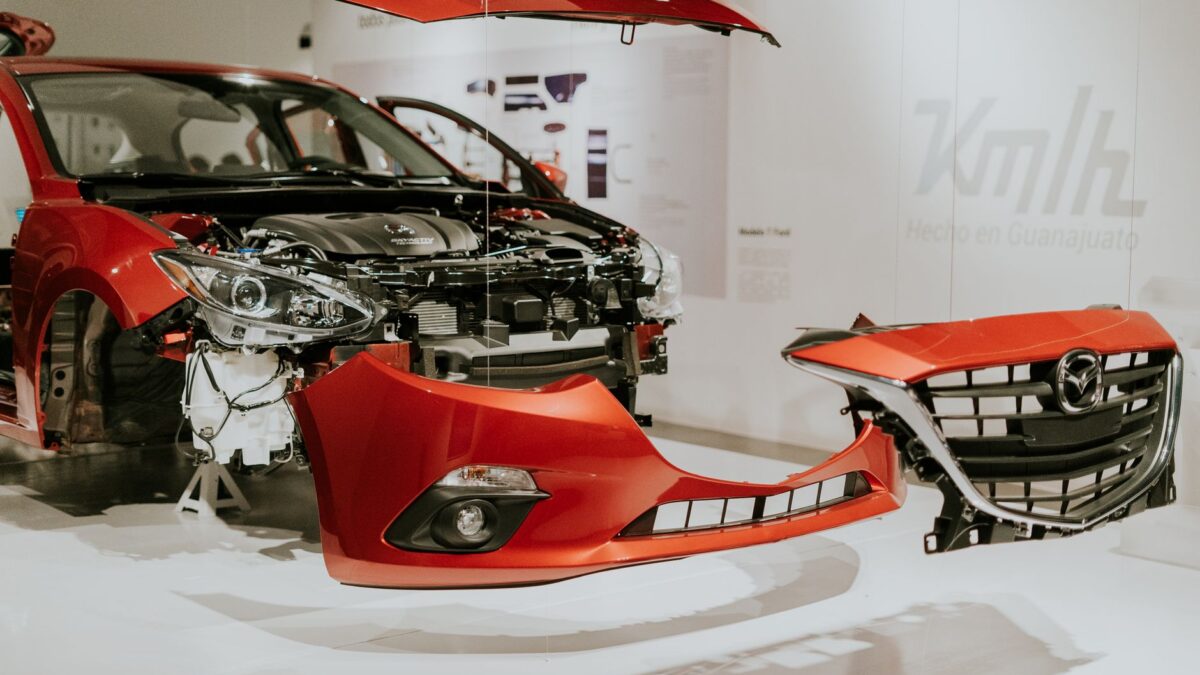
Scout Motors says its reservation tally has reached 210,000, compared with 160,000 earlier in the year. Executives gave the figure to Torque News on a walk through the company’s Blythewood, South Carolina, plant, which is roughly 90 percent complete and so far assembling validation vehicles, not ones for buyers.
Scout targets 2027 for the start of production and 2028 for the first customer deliveries, which will go to the United States and Canada first.
Who is on the reservation list
Reporters were shown survey results on the vehicles reservation holders own now. Among Traveler SUV reservers the Ford Bronco comes first and the Jeep Wrangler second; the Ford Mustang Mach-E is fourth, the Toyota 4Runner fifth and the Tesla Model Y sixth.
For the Terra pickup, the Ford F-150 tops the ranking, followed by the Bronco, Wrangler, Model Y and Jeep Gladiator. Scout drew these rankings from roughly 2,500 respondents on scoutEVforum.com plus S&P Global data, so they reflect a sample rather than every one of the 210,000 holders.
Scout added that, relative to rival EV sales, its reservations skew toward Utah, Colorado, Arizona, Texas, Virginia, North Carolina, South Carolina and Florida.
The Harvester range extender
CEO Scott Keogh has stated publicly that over 80 percent of reservations include the Harvester, an option that adds a gasoline engine whose only job is to recharge the battery; it never drives the wheels.
According to The Drive, Keogh once said choosing the Harvester would halve the Terra’s tow rating from 10,000 to 5,000 pounds while stretching total range to about 500 miles. Final specifications are not out. Torque News names other open points: whether the roof and doors come off, the finished ground clearance and which off-road gear is standard at launch.
One presentation slide divided the project between Volkswagen-sourced parts and things Scout controls. Scout lists the ladder frame and solid rear axle as its own. Electric drive units and the Harvester’s four-cylinder engine are adapted from Volkswagen Group, while software comes from the Rivian-Volkswagen joint venture. Scout also keeps sales and service, so customers would deal with the brand itself rather than a franchised dealer.
What is happening on the factory floor
The body shop has 751 robots in place that are dry cycling, that is, running through their motions with no parts so engineers can check programming and timing. Validation vehicles built with production-intent parts are working through welding, paint and assembly, and Scout said five more will enter the line on Monday.
Around 250 production employees are already on site learning the equipment. The company intends to employ about 4,000, and its human resources vice president said some 21,000 people have applied. Scout claims pay well above local norms, along with child care and medical benefits.
Designed output at full capacity is 40 vehicles an hour, about one every 88 seconds, or as many as 200,000 a year. Traveler and Terra, whether electric or Harvester, will all run down a single line. The campus spans 1,600 acres and 5 million square feet and represents an investment above $2 billion.
Why it matters for shoppers and owners
People holding reservations are committed to vehicles nobody can buy yet, and the factory has not produced a single customer unit. Torque News has reported base prices under $60,000, but no final price list exists.
Another slide listed six questions Scout set itself to validate. Volkswagen approved the go-ahead, South Carolina backed the project, suppliers pledged over $350 million, buyers put down more than 210,000 reservations and more than 20,000 applied for jobs. Delivery, the last item, was shown as work in progress on the factory side, not a finished result.
What to watch next
Published specs should answer the open questions about towing, ground clearance and standard off-road equipment. After that, the schedule points to production in 2027 and first deliveries in 2028.
Source: Torque News