BYD Pairs 1,500 kW Flash Charging With Solar and Robot Arms
BYD unveiled a charging system that joins solar power, battery-backed Flash Charging of up to 1,500 kW and robotic arms. It plans 6,000 stations.
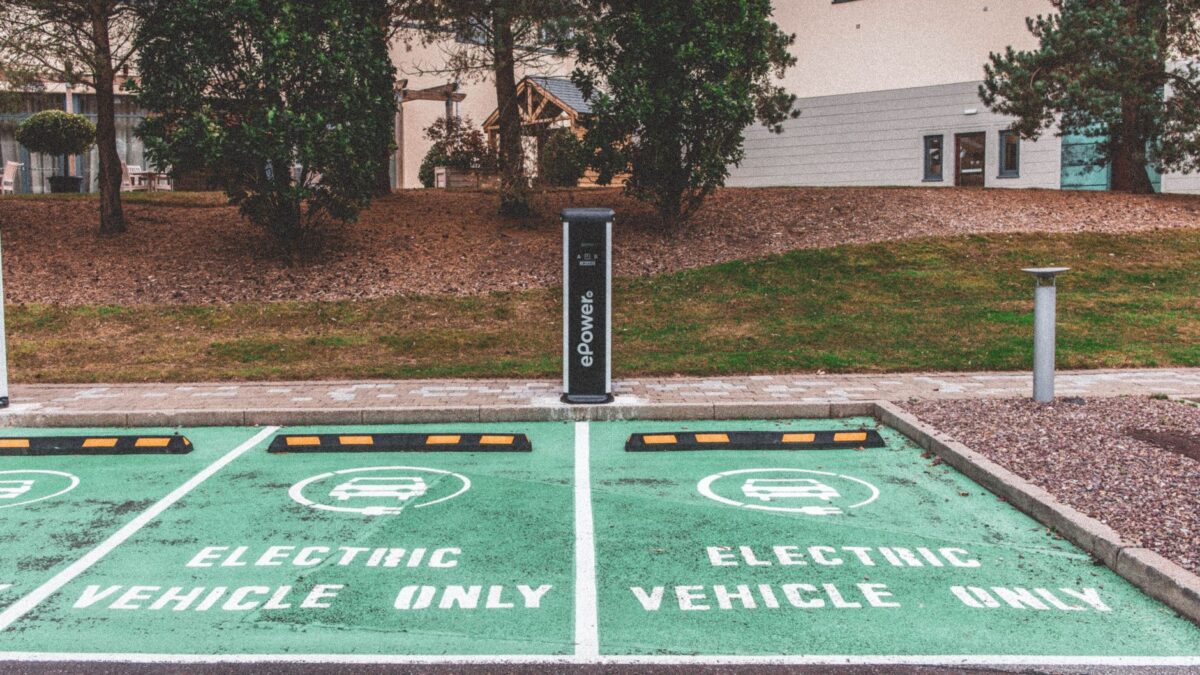
BYD announced on Tuesday a charging system that combines solar generation, its Flash Charging technology and robotic arms that connect the charger to a car, according to Jalopnik. The Chinese automaker said it launched the combined setup in the desert of the United Arab Emirates.
The company plans to install 6,000 Flash Charging stations worldwide by the end of next year. Jalopnik cautions that not all of them, and probably not even most, will get solar power or robotic arms at the start.
How Flash Charging stores power
A Flash Charger takes electricity from the grid like any other EV station. It then holds that energy in two on-site batteries rated at 185 kilowatts each. BYD says the stored power flows into a vehicle much faster than it would if the car drew straight from the grid.
Each charger has two connectors. With one car plugged in, the output can reach 1,500 kW. When two cars share the charger, each gets up to 1,000 kW.
Charge times BYD quotes
- 10% to 70% in five minutes
- 10% to 97% in nine minutes
- 20% to 97% in 12 minutes, at an outside temperature of minus 30 degrees Fahrenheit
Jalopnik put those figures next to other networks. Tesla’s new V4 Superchargers top out at 500 kW and its regular Superchargers at 250 kW. The fastest DC chargers from Electrify America deliver 350 kW.
Solar panels and robot arms
The third piece of the system is energy from the sun, with robotics handling the plug.
BYD now feeds sun-generated power into the same 185-kW batteries. Jalopnik presumes the panels sit on the station canopy. Because the stations lean less on the grid, the design suits remote, sunny places such as the UAE desert where BYD introduced it.
The robotic arm finds the car’s charging port, opens the cover and inserts the connector without the driver doing it. The idea is not new. Jalopnik notes that Tesla promised such arms a decade ago, and Volkswagen, Hyundai and China’s Xiaomi have since built versions of their own.
What this means for U.S. drivers
BYD sells no cars in the United States, so the announcement has no direct effect on U.S. owners today. Jalopnik says BYD has passed Tesla as the world’s largest electric carmaker by global sales and is also competing with Tesla over who runs the most advanced charging network. For background on the American side, see why Chinese brands such as BYD are not sold in the US.
The comparison with Tesla and Electrify America sets those networks’ top speeds against the peak output and charge times that BYD itself quotes. The 1,500 kW figure applies only when one connector is in use, and the 1,000 kW figure applies when two cars share a charger.
Source: Jalopnik