Tesla Opens Cybercab Orders at $29,990 Plus a $299 Monthly Fee
Tesla is inviting select buyers to order the two-seat Cybercab for personal use at $29,990 plus a $299 monthly subscription. Deposit, delivery and limits.
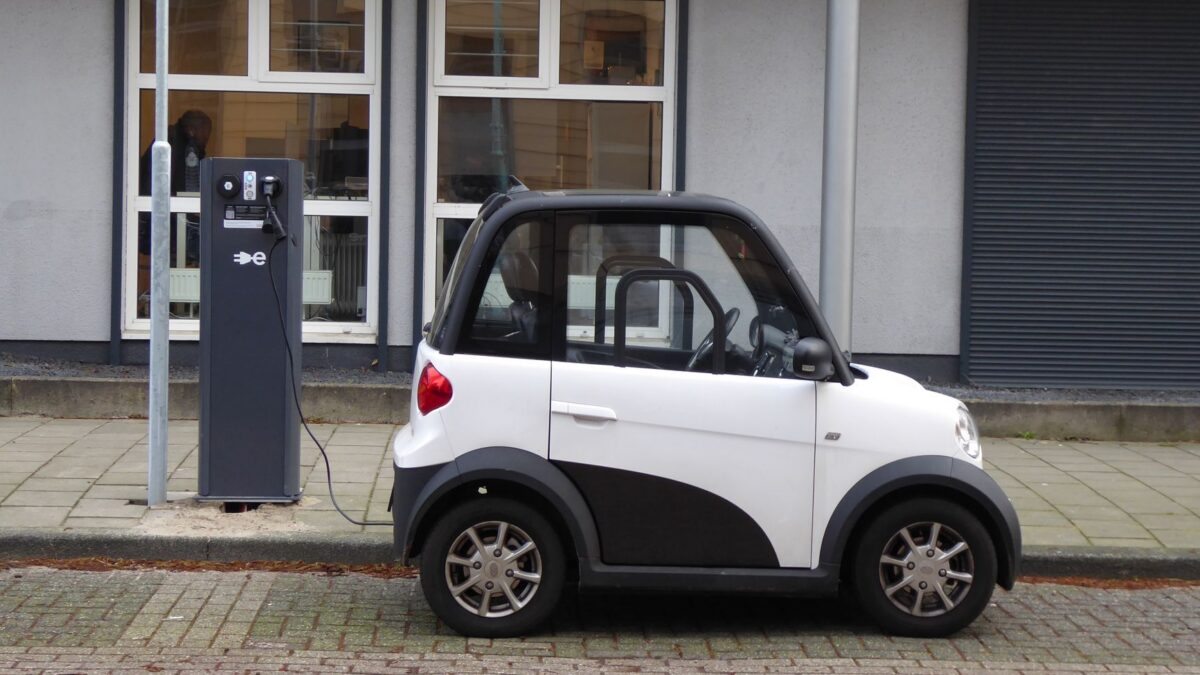
Tesla has started inviting “select customers” to buy the Cybercab, its two-seat vehicle with no steering wheel or pedals, for personal use. The company announced the move on Friday through its Robotaxi account on X. Screenshots of the order page show a price of $29,990 before taxes and estimated deliveries in December 2026.
The car will not drive itself for free. Owners must pay for what Tesla calls an autonomy subscription, priced at $299 per month, with the first month included. According to InsideEVs, that comes to about $3,600 a year before insurance or maintenance, and the order page says regular maintenance is required for the vehicle to operate.
What buyers pay and when the cars arrive
- Vehicle price: $29,990 before taxes.
- Autonomy subscription: $299 per month, with one month included.
- Order deposit: $1,000, which is nonrefundable, according to Not a Tesla App.
- Estimated delivery: December 2026.
InsideEVs reported that the price undercuts the Model 3 by $7,000, which would make the Cybercab the cheapest vehicle Tesla has sold. Tesla had said earlier it expected to price the car below $30,000. Not a Tesla App noted that the $299 fee is the first public sign of what Tesla’s unsupervised self-driving service may cost, and that a subscription price can change.
At least one buyer has already ordered. Matt Holm posted his order confirmation on X, and the Tesla email in his screenshot said an advisor would follow up.
Where owners can use it
Tesla said initial availability is limited and that the Cybercab will only operate in “supported service areas.” The company did not list those areas. Not a Tesla App said Austin, Texas, is currently the only place Tesla runs Cybercabs, while InsideEVs reported that Tesla’s Robotaxi service now carries riders in a handful of U.S. cities, including Austin and Miami.
Tesla said owners will be able to monitor their car and manage rides through an app. InsideEVs reported this is the Tesla app; Not a Tesla App said it could be the Robotaxi app or the regular Tesla app. Tesla did not say whether owners can add their cars to the Robotaxi fleet to earn money, and Not a Tesla App suggested personal-use cars may be barred from business work such as ride-hailing or delivery.
The vehicle looks the same as the Cybercabs shown before, with two seats, ambient lighting and a 21-inch screen. Tesla lists 20.1 cubic feet of storage. Not a Tesla App compared that with the 24.1 cubic feet in the Model 3’s front and rear trunks.
What this means for Tesla owners and the wider market
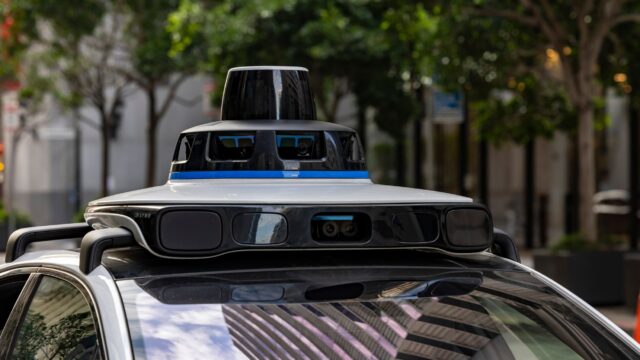
Today’s driverless cars are owned and run by ride-hailing operators such as Waymo, Zoox and Tesla, not by private owners. InsideEVs said the Cybercab could become the first Level 4 autonomous vehicle, meaning one that drives itself without a human watching in set areas, that individuals can own.
The sale also comes as many owners who paid for Full Self-Driving are still waiting for their Model 3 and Model Y cars to drive themselves. InsideEVs reported that Elon Musk most recently put that in the second quarter of next year, in areas where Robotaxi operates.
The shift toward private buyers followed a September interest form for businesses that wanted to buy Cybercab fleets. On the Q3 2026 earnings call, Tesla targeted first customer deliveries by year-end, and Musk said he expected Tesla to own most Cybercabs.
Other automakers also want to sell self-driving cars to the public. InsideEVs reported that Rivian plans to add lidar and an in-house chip to the R2, and General Motors plans an eyes-off version of Super Cruise for the Cadillac Escalade IQ in 2028, starting on highways.
Federal safety rules still pending
The National Highway Traffic Safety Administration has asked how Tesla determined the Cybercab complies with federal motor vehicle safety standards, InsideEVs reported. The car has no steering wheel, pedals or side-view mirrors, which cars normally need to be street-legal.
Companies can seek federal approval to deploy vehicles that do not meet those standards, but such deployments are capped at 2,500 vehicles per year. Zoox recently received an exemption to put 5,000 of its autonomous pods into commercial service over two years. NHTSA has said it is working to streamline its rules for autonomous vehicles.
Sources: Not a Tesla App, InsideEVs