Diesel Averages $6.06 a Gallon as Gas Sits at $3.87, AAA Says
AAA puts diesel at $6.06 a gallon and gas at $3.87. Why diesel has cost more than gasoline since 2004, and why an export ban may not bring prices down.
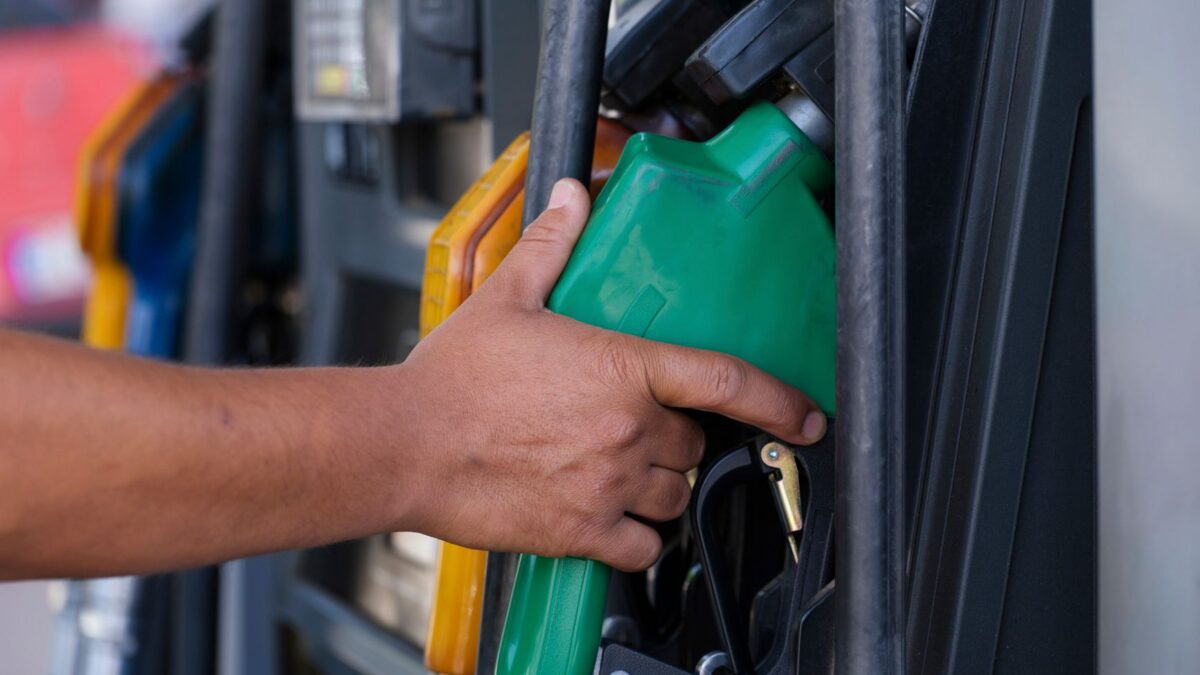
The national average price of diesel stands at $6.06 a gallon, while regular gasoline averages $3.87, according to AAA figures cited by Jalopnik. A year ago AAA had gasoline at $3.08 and diesel at $3.76, so diesel has climbed more than 60% over that period.
The jump hits trucking, shipping, farming and construction hardest, since those parts of the economy run largely on diesel. Fewer than 3% of U.S. passenger cars use the fuel.
Diesel has cost more than gas for two decades
The gap itself is old. The U.S. Energy Information Administration (EIA) says on-highway diesel has been priced above regular gasoline per gallon almost without a break since September 2004. Before that, diesel was usually the cheaper fuel, apart from winter months, when its use for home heating pushed demand up.
The EIA points to several reasons for the shift. Demand for diesel has been strong in Europe, China, India and the United States. Rules requiring low-sulfur diesel added refining steps, which raised production and distribution costs. The federal excise tax on on-highway diesel is also 6 cents a gallon higher than the tax on gasoline.
What pushed prices up this year
A separate EIA report links the recent rise to high crude oil prices and lower refinery output in Russia, China and the Middle East. Ukraine has struck many Russian refineries, and China halted fuel exports to protect its own stocks. Tensions in the Middle East have also lifted global crude prices.
Those gaps abroad send buyers to the United States, one of the world’s largest producers of refined oil products. The U.S. exports about 1.5 million barrels of diesel a day, uses around 3.6 million barrels a day at home and refines roughly 5.3 million barrels a day, according to the American Action Forum. U.S. refineries are running at 97% utilization, and the country has a diesel surplus, yet prices keep rising.
Demand for diesel also barely reacts to price. Gregg Ibendahl, an associate professor of agricultural economics at Kansas State University, told Scientific American that drivers trim trips when gasoline gets expensive, but farm use of diesel does not change. He noted diesel is $2.50 higher than it was in spring and said that would not stop “a single farmer from running their combine.”
Why an export ban may not lower prices
Cutting exports, as China did, may not help U.S. buyers, the American Action Forum argues. A ban could at first cool wholesale prices on the Gulf Coast, where much of U.S. diesel is made. The group says logistics and infrastructure limits would keep those savings from reaching other regions.
New England, for example, finds it much cheaper to import diesel from Canada than to bring it in from U.S. refineries. The West Coast, Hawaii and Alaska also rely on imports to add to local supply. If a ban lasted, refiners could struggle to place the extra fuel and would likely cut output, the group says, which would raise prices for all petroleum products, diesel included.
What it means for drivers and businesses
Owners of diesel vehicles are paying far more at the pump than a year ago, and so are the shipping, logistics, farm and construction businesses that depend on the fuel. Jalopnik’s analysis says diesel is unlikely to get cheaper while global tensions and supply limits continue.
Source: Jalopnik