Ford Data on 36,000 Mustang Mach-Es: 92% Battery Capacity Left
Ford's data on 36,000 2021 Mustang Mach-E SUVs shows 92% of usable battery capacity after 5.2 years. See the numbers on high-mileage cars and charging.
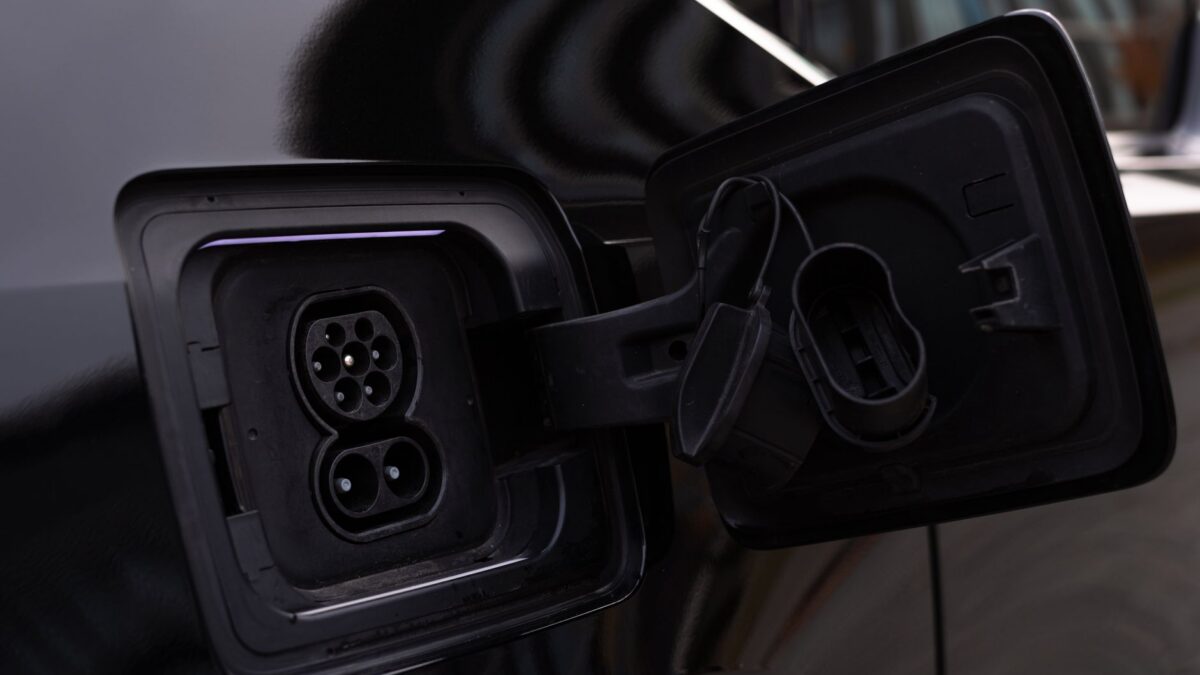
Ford released battery-health data from about 36,000 2021 Mustang Mach-E SUVs sold in the U.S. and Canada, and the cars kept most of their capacity. On average, the vehicles had covered 55,000 miles over 5.2 years and retained 92% of their usable battery capacity, according to InsideEVs, which reported the results on the day Ford published them.
For owners and used-EV shoppers, the figures give a measured answer to a common worry: how fast an EV battery loses capacity. The data covers only 2021 model-year cars, all with nickel-cobalt-manganese (NCM) battery packs.
The central numbers from Ford’s Mach-E study
- 36,000: the number of 2021 Mach-E SUVs in the dataset, sold in the U.S. and Canada.
- 92%: average usable battery capacity retained after 55,000 miles and 5.2 years. For a top-trim 2021 model with 305 miles of EPA range, InsideEVs calculates that as roughly 280 miles in theory.
- More than 91%: capacity retained by the more than 2,000 SUVs with over 100,000 miles on the odometer.
- 88%: battery health of the 30-plus cars that had passed 200,000 miles.
- 87% to 97%: the range into which 95% of the 36,000 cars fell.
What it means for high-mileage drivers
The cars with more than 100,000 miles had driven roughly twice the average distance in the same period, yet lost little additional capacity. Ford says some drivers put about 40,000 miles a year on their Mach-Es and still had strong battery health after five years.
The figures are averages. InsideEVs notes that EVs kept in the hot American Southwest tend to age faster than those in milder climates, and that batteries often charged to 100% and drained to near empty typically wear out faster than those kept between 20% and 80%.
Other data sets point the same way
Recurrent, a firm that tracks range retention in used EVs whose owners opt in, reports that the average EV keeps 97% of its original observed range after three years and 95% after five. In September, battery-health startup Aviloo released results from 500,000 EV battery tests. After 150,000 kilometers (about 93,000 miles), most models it studied showed 90% to 94% health.
In the Aviloo data the Mustang Mach-E scored 92.5%, close to Ford’s own figure. The Tesla Model 3 came in at 88.9% and the Model Y at 90.3%. The Hyundai Ioniq 5, BMW i4 and Mercedes EQA read near the top of the range.
InsideEVs reports that some early EVs, notably the first-generation Nissan Leaf, lost capacity steeply because their battery thermal management was less sophisticated.
Ford’s care recommendations
Ford advises parking in the shade on very hot days and preconditioning the cabin while the car is plugged in. It also recommends Level 2 charging for daily driving and sparing use of Level 3 DC fast chargers.
Why it matters for future Ford EVs
Kevin Vander Lann, Ford’s technical leader of high-voltage battery cells and systems, told InsideEVs that the company tests cells in the lab and predicts degradation with computer models before launch, but real-world data arrives slowly. “Here we are with a five-year report card, and it looks great,” he said.
He said lessons from these vehicles feed into development of Ford’s next electric cars, including the sub-$30,000 Fathom pickup due next year. Ford did not add an LFP (lithium-iron-phosphate) battery to the Mach-E until the 2023 model year, so this study does not cover that chemistry.
Source: InsideEVs