NHTSA Probes 2,895 Waymo Robotaxis After School Bus Violations
NHTSA is investigating 2,895 Waymo robotaxis because school bus violations continued after a December 2025 fix. A forced recall is possible.
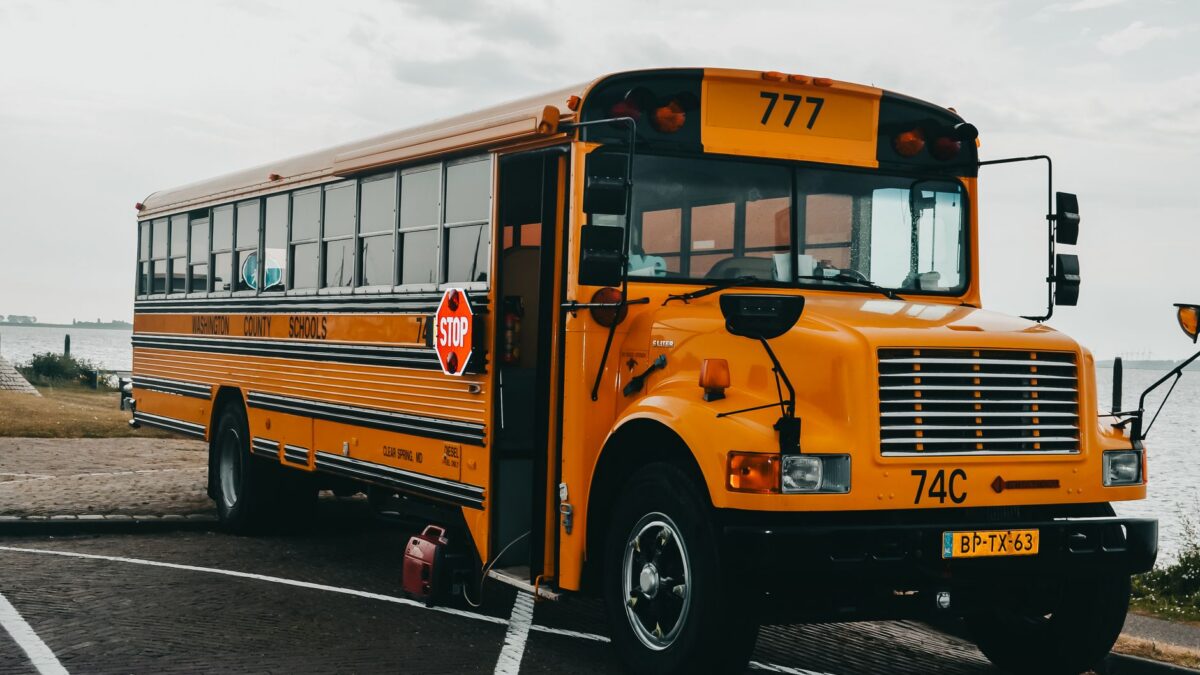
Federal auto safety regulators have started a formal recall investigation covering 2,895 Waymo robotaxis, International Business Times reported. The question is whether Waymo’s software repair from December 2025 ever cured a defect that let its driverless cars drive past school buses stopped with red lights flashing and stop arms out.
The report says that, going by federal records, the bulk of the school bus violations NHTSA is studying took place after Nov. 17, 2025. That is the day Waymo certified that its over-the-air update had reached every vehicle it applied to. If the agency decides the first remedy fell short, the outlet writes, a mandatory recall would follow.
From a TV clip to a federal file
The trail starts in September 2025. Atlanta station WXIA broadcast video of a Waymo car steering around a school bus while students were stepping off. The Office of Defects Investigation at NHTSA opened a preliminary evaluation a month later, writing that similar incidents were highly likely as Waymo moved into more cities.
School officials then supplied their own tallies. The Austin Independent School District sent NHTSA a letter listing 19 incidents. In one, a Waymo paused, then rolled ahead while a student was still crossing the street in front of it. Atlanta Public Schools confirmed six cases between May and December 2025 where a Waymo went past a deployed stop arm. In one of them the car passed right after a student had walked in front of it and was still on the road.
Waymo answered in December 2025 with a voluntary recall of 3,067 vehicles running its fifth-generation automated-driving system. Chief safety officer Mauricio Peña said the company would keep studying performance and making fixes. Waymo described the update as sharpening how the cars read school bus warning signals and as forcing them to hold their position until the road is confirmed clear.
What the new inquiry covers
The investigation, labeled RQ26006, takes the place of the earlier preliminary review. NHTSA wrote that it will look at whether the remedy was sufficient and why incidents kept happening once it was in place. According to the report, a finding that a prior remedy was inadequate leaves the manufacturer unable to simply certify a new update by itself.
Austin’s school district logged Waymo’s 20th school-bus violation by Dec. 1, 2025, and asked the company to stop service during the hours when buses are busiest. Waymo refused. Separately, NHTSA is examining a January 2026 collision in Santa Monica, California, where a Waymo hit a child close to an elementary school.
Why it matters for riders and Uber
Uber sends customers to Waymo vehicles in Austin and Atlanta, the same two cities where most of the documented bus violations occurred. A suspension, limits near schools or a compulsory recall in either place would shrink the pool of Waymo rides, and with it the number of robotaxis Uber has to offer.
The stakes are also financial. Waymo raised $16 billion in February 2026 at a valuation of $126 billion, compared with about $45 billion in October 2024. It has said it plans to begin service in more than 20 additional cities in 2026, among them Tokyo and London, the latter two as commercial launches.
What regulators could order
Should investigators conclude that the December 2025 update did not hold up, NHTSA has the power to order a fresh recall of Waymo’s entire commercial fleet, a group larger than the 2,895 vehicles now being examined. No decision has been announced.
Waymo has a safety record of its own to point to. The report cites more than 220 million miles driven in fully autonomous mode, with about 4 million more each week, and a company safety report showing 94% fewer crashes involving serious injuries than human drivers over that distance.
Source: International Business Times