Why Car Insurance Went Up and What Actually Lowers Your Quote
The federal price index for car insurance surged through 2024 and has started to fall, but premiums remain far above 2021 levels. Your own rate depends on your state, your car and how often you shop.
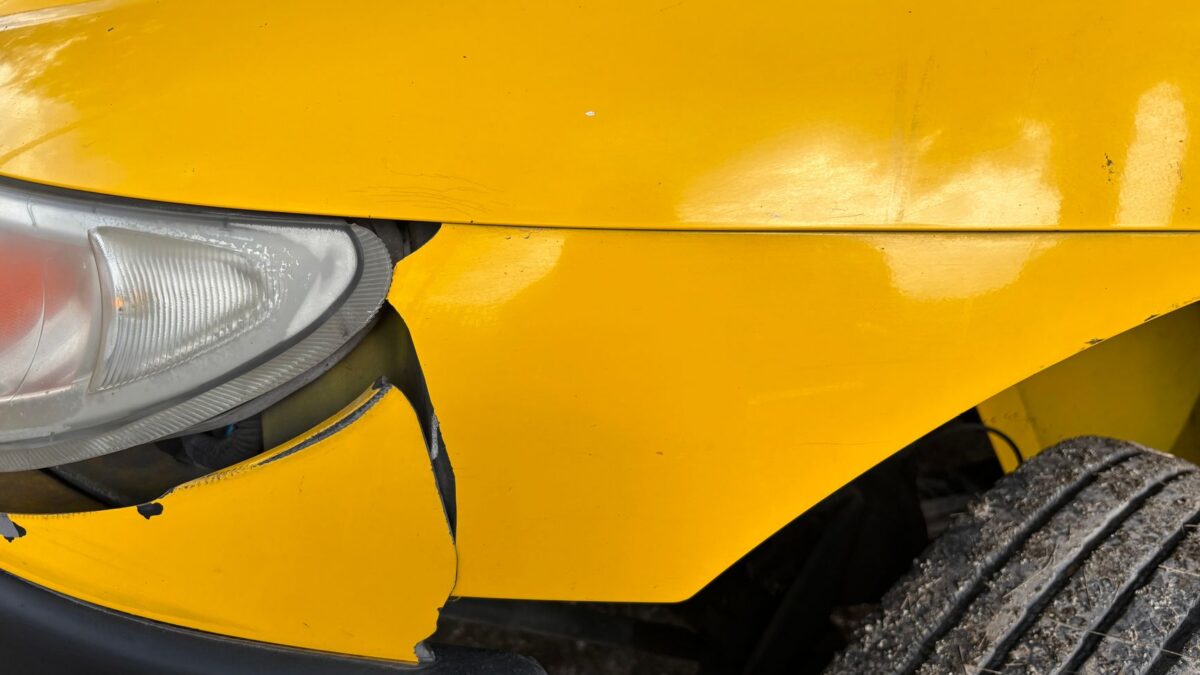
Car insurance went up mainly because claims got more expensive: repairs to modern cars cost more, vehicles were worth more, and insurers raised rates to catch up with those costs. The Bureau of Labor Statistics price index for motor vehicle insurance rose 22.6% in the 12 months to April 2024, the peak of the run, and fell 5.0% in the 12 months to September 2026. Even after that drop, premiums sit well above where they were in 2021.
How much has car insurance gone up?
Sharply from 2022 through early 2025, then less, and in 2026 the national index turned down. These are figures from the BLS Consumer Price Index, which tracks the price of the same coverage over time.
| CPI category | 12-month change | Period |
|---|---|---|
| Motor vehicle insurance | +22.6% | April 2023 to April 2024 |
| Motor vehicle insurance | -5.0% | September 2025 to September 2026 |
| Motor vehicle maintenance and repair | +5.8% | September 2025 to September 2026 |
| Motor vehicle parts and equipment | +0.8% | September 2025 to September 2026 |
| New vehicles | +0.6% | September 2025 to September 2026 |
| All items | +3.7% | September 2025 to September 2026 |
The index is a national average for a fixed set of coverage. Your own bill can still rise at renewal if your insurer files a rate increase in your state, you add a driver, buy a pricier car or have a claim.
Why did car insurance premiums rise so much?
Insurers raise rates when claim costs climb, and between 2021 and 2024 nearly every part of a claim got more expensive.
- Repair costs. Bumpers, mirrors and windshields now hold cameras and radar sensors for driver-assistance systems. A minor collision can require new sensors and a calibration, and body shop labor rates rose.
- Vehicle values. New and used car prices jumped after 2020, which raised what insurers pay when a car is totaled or stolen.
- Parts. Supply problems, and since 2025 tariffs on many imported parts, kept parts prices high. The BLS repair index was still up 5.8% over the year to September 2026.
- Medical and legal costs. Injury claims cost more as medical bills and attorney involvement grew.
- Weather and theft. More severe storms, hail and flooding increased claims for weather damage, and waves of thefts hit certain models.
Regulators in each state review rate filings, and in some states that review delayed increases, which then arrived in larger steps later. That helps explain why the national index kept climbing into 2025.
Why is car insurance so much higher in some states?
Insurance is regulated state by state, so the same driver and car can pay very different amounts across a state line. The main state factors are:
- Required coverage. States set minimum liability limits, and no-fault states require personal injury protection.
- Rating rules. Some states limit what insurers can use. California, Hawaii and Massachusetts, for example, bar credit-based insurance scores in auto rates, according to the National Association of Insurance Commissioners.
- Claims environment. Dense traffic, high repair labor rates, frequent lawsuits, theft and severe weather all raise local claim costs.
- Uninsured drivers. Where more drivers carry no insurance, uninsured motorist coverage costs more.
Your state insurance department publishes consumer guides, complaint records and, in many states, sample rate comparisons. It is also where you file a complaint about a rate or a claim.
How can I lower my car insurance quote?
Shopping is the step that moves the price most for many drivers, because insurers price the same driver very differently. Work through the list at each renewal.
- Get three or more quotes with the same limits and deductibles, from insurers that sell directly and through independent agents.
- Raise your deductible on collision and comprehensive to an amount you could pay from savings.
- Drop collision on an older car when the premium for it is high compared with the car’s value.
- Ask for every discount: multi-policy, multi-car, paid-in-full, paperless, good student, defensive driving course and anti-theft devices.
- Try a usage-based program that tracks mileage or driving habits, if you drive little or carefully.
- Update your details: lower annual mileage after a job change, a move, or a driver leaving the household.
- Check your credit-based score where states allow it, and correct errors in your credit reports.
Do not cut liability limits below what protects your savings to save a few dollars. A serious at-fault crash can exceed state minimum limits many times over. If you owe more on the car than it is worth, check whether you need GAP coverage, and if you lease, your contract will set minimum limits; our comparison of leasing versus buying covers that.
Will car insurance rates go down?
The national index fell over the 12 months to September 2026, which suggests the worst of the increases has passed. Repair costs were still rising, though, so a broad return to 2021 prices is unlikely.
Individual results vary by insurer and state. If your renewal price went up while the national index fell, that is a good moment to request quotes elsewhere. Tariffs on parts are one cost to watch; our explainer on how tariffs affect car prices tracks them.
Bottom line
Insurance prices followed claim costs up, and they are only starting to ease. Compare quotes at every renewal, set deductibles you can afford, and keep liability limits high enough to protect what you own.
FAQ
Why did my car insurance go up with no accidents?
Rates are set for groups of drivers, so higher repair, medical and theft costs in your state or for your car model raise everyone’s price. Your insurer may also have filed a statewide rate increase.
Is car insurance getting cheaper in 2026?
On average, slightly. The BLS index for motor vehicle insurance was 5.0% lower in September 2026 than a year earlier, but your own renewal can differ.
Does a newer car cost more to insure?
Often, because it is worth more and its sensors and parts cost more to repair. Ask for quotes on a specific model before you buy.
How often should I shop for car insurance?
At least once a year at renewal, and after any big change such as moving, adding a driver or buying a car.