Lease vs Buy a Car: How the Payment Works and Which Costs Less
A lease payment has two parts, and both can be checked. Buying wins over time for most drivers, while leasing suits people who swap cars every few years.
Leasing a car usually means a lower monthly payment than buying, because you pay only for the car’s expected loss in value during the lease plus a finance charge. Buying usually costs less overall if you keep the car several years after the loan is paid off. Leasing tends to win only if you want a new car every two or three years and drive within the mileage limit.
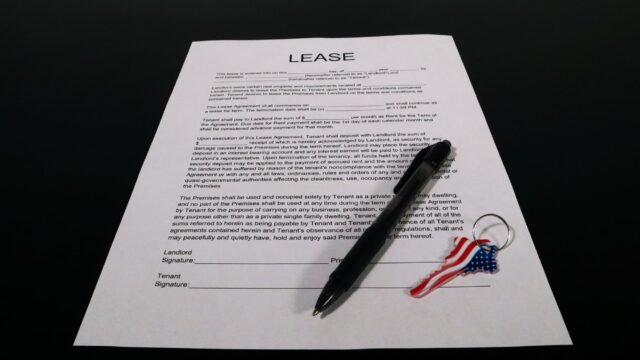
A lease is a contract with more moving parts than a loan: residual value, money factor, mileage caps and end-of-lease charges. Knowing how they fit lets you check a quote line by line.
How is a lease payment calculated?
A lease payment has two main parts: a depreciation charge and a rent charge, plus sales tax in most states. The depreciation charge is the drop in value you use up, spread over the term. The rent charge is the lease’s version of interest.
- Capitalized cost is the price of the car in the lease, plus any fees rolled in, minus your down payment, rebates and trade-in credit.
- Residual value is the car’s estimated worth at the end of the lease, set by the leasing company as a percentage of MSRP.
- Money factor is the rent rate, written as a small decimal. Multiply it by 2,400 to get a rough annual percentage rate. A money factor of 0.0025 works out to about 6%.
Here is a simple example with round numbers: a 36-month lease on a car with a $35,000 capitalized cost and a residual of $20,300.
| Line | Formula | Monthly amount |
|---|---|---|
| Depreciation charge | ($35,000 minus $20,300) / 36 | $408.33 |
| Rent charge | ($35,000 plus $20,300) x 0.0025 | $138.25 |
| Base payment before tax | Sum of the two | $546.58 |
Three numbers move the payment most: the capitalized cost, which you can negotiate like a purchase price; the money factor, which dealers can mark up; and the residual, which is set by the lender. Our guide to MSRP versus invoice price helps you judge the capitalized cost.
What fees and charges come with a lease?
Leases carry fees that a cash purchase or loan may not. Federal Consumer Leasing Act rules require the leasing company to list them in a disclosure before you sign.
- An acquisition fee at the start, often rolled into the capitalized cost.
- A disposition fee at the end if you return the car rather than buy it.
- Excess mileage charges, a per-mile fee for every mile over your allowance.
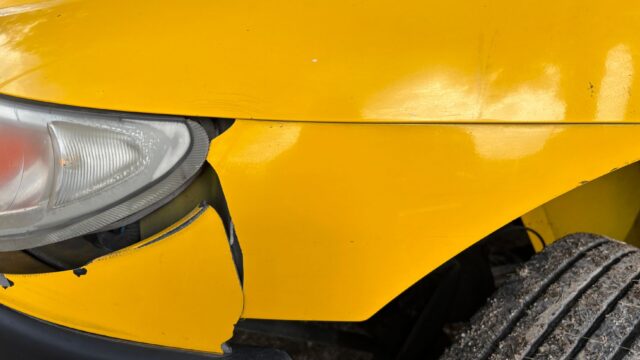
- Excess wear and damage charges for dents, tire wear and interior damage beyond normal use.
- An early termination charge if you end the lease before the term is up.
The FTC’s guide to financing or leasing a car notes that the annual mileage limit in most standard leases is 15,000 miles or less, and that ending a lease early can bring a substantial charge. Read the per-mile rate in your contract before you sign, since it decides the cost of an extra road trip.
When does buying cost less than leasing?
Buying usually costs less when you keep the car well beyond the loan term. Once the loan is paid off, you have no car payment, while a leaser starts a new lease and a new set of fees.
Buying also wins if you drive far more than 15,000 miles a year, since excess mileage charges add up quickly, or if you are hard on cars and would face wear charges at turn-in. Owners can also modify the car, which a lease usually does not allow.
Some loan buyers get a tax benefit too. For tax years 2025 to 2028, eligible buyers can deduct interest on loans for qualifying new vehicles, but leases do not qualify. Our guide to the car loan interest deduction covers the rules.
When does leasing make sense?
Leasing fits drivers who want a new car every two or three years, drive a predictable number of miles and prefer a lower payment. You are always under the factory warranty, and you avoid selling or trading in a used car.
It can also suit fast-changing technology such as EVs, where you may not want to own an older battery and software. A lease lets you hand the car back at the end instead of taking on its resale value.
Most leases require GAP coverage, often built in, because you would owe the difference if the car were totaled. Our explainer on GAP insurance covers how it works on loans and leases.
What happens at the end of a lease?
At the end of the lease you return the car, buy it for the purchase price stated in your contract, or in many cases trade it in toward another car. If the car is worth more than the buyout price, that equity can count toward your next car.
If you owe more than the car is worth when trading out of a lease or a loan, that is negative equity. The FTC advises asking how negative equity will affect a new deal, since rolling it in raises the amount you finance. Our guide to getting out of an upside-down car loan explains your options.
Bottom line
Check a lease quote by asking for the capitalized cost, residual and money factor, then run the math yourself. If you keep cars for many years or drive a lot, buying usually comes out ahead. If you swap cars often and stay under the miles, leasing can be the cleaner choice.
FAQ
Can I negotiate a car lease?
Yes. The capitalized cost is negotiable like a purchase price, and dealers can often lower a marked-up money factor. The residual value is set by the leasing company and rarely changes.
What is a good money factor?
Multiply it by 2,400 and compare the result with current auto loan rates for your credit score. If the lease rate is much higher, ask the dealer for the lender’s base money factor.
Can I buy my car at the end of the lease?
Most leases include a purchase option at a price set in the contract. You can pay cash or finance the buyout with a loan.
Does leasing affect my credit?
A lease appears on your credit report like a loan, and on-time payments help your history. Missed payments or an early default hurt it the same way.