GM Recalls 67,380 Lyriq, Vistiq and Blazer EVs Over Brief Brake Loss
GM is recalling 67,380 Cadillac and Chevy EVs whose brake software can briefly drop braking at low speed. See affected models, the free fix and key dates.
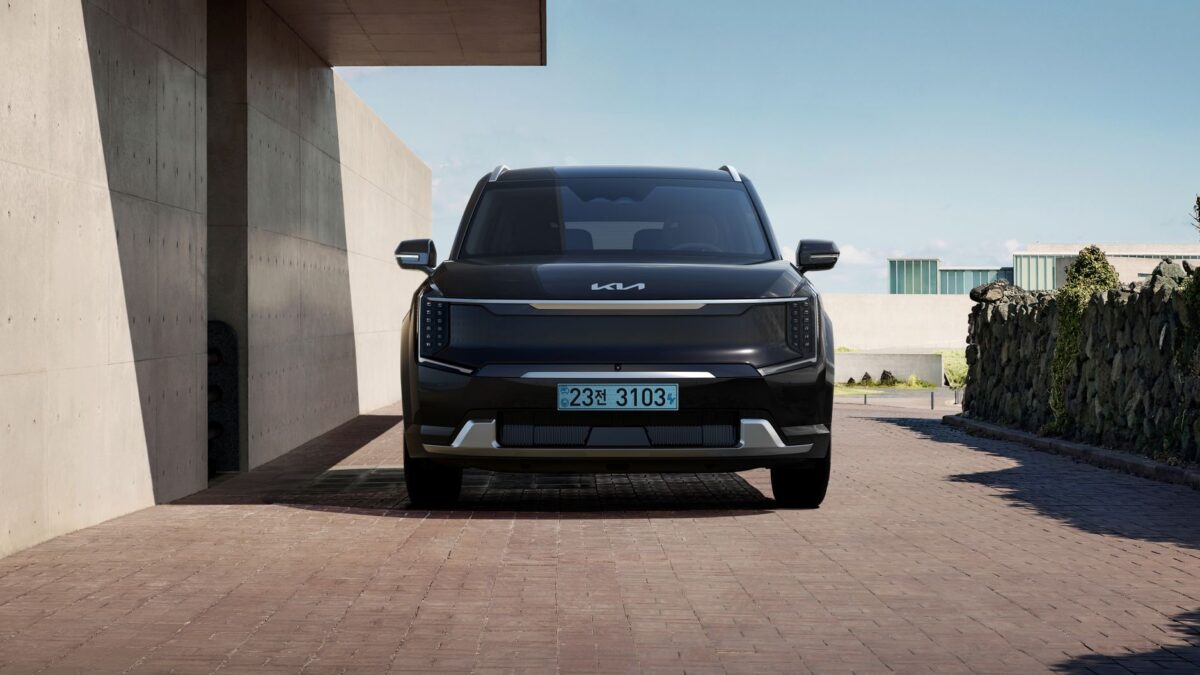
General Motors is recalling 67,380 electric vehicles from Cadillac and Chevrolet because a software defect in the brake system can cause a short loss of braking at low speed. The recall covers certain Cadillac Lyriq, Vistiq and Celestiq models and the Chevrolet Blazer EV, according to a filing with the National Highway Traffic Safety Administration.
GM told NHTSA it knows of 24 field complaints tied to the problem. Twenty involved minor crashes, and two included claims of minor injuries, Electrek and Jalopnik reported. The fix is a free software update, delivered over the air or at a dealer.
Which Cadillac and Chevrolet EVs are covered
Only vehicles with GM’s performance all-wheel-drive system, which the company labels pAWD, are part of the recall. Two-wheel-drive Lyriqs are excluded. On the Chevrolet side, the recall applies only to the Blazer EV SS and the Police Pursuit Vehicle version.
The Lyriq accounts for most of the total. According to the NHTSA report as summarized by Jalopnik and Motor1, the count by model and year is:
- Cadillac Lyriq: 474 from 2023, 22,819 from 2024, 11,926 from 2025, 9,322 from 2026 and 44 from 2027
- Cadillac Vistiq: 13,627 from 2026 and 5,175 from 2027
- Cadillac Celestiq: 51 from 2025 and 31 from 2026
- Chevrolet Blazer EV: 562 from 2024, 2012 from 2025, 1,314 from 2026 and 23 from 2027
The small Celestiq numbers give a rare look at how many of Cadillac’s flagship Celestiq have been sold, Jalopnik noted.
How the brake glitch happens
The fault shows up in one narrow situation. The driver presses the brake lightly at low speed in a sharp turn, and the car rolls over a bump or dip, such as the edge of a driveway. GM’s recall report says the brakes can then release and reapply for an instant, which may lead the software’s slip calculation to misread how the wheels are moving.
The slip calculation is how the brake system control module, or BSCM, compares wheel speed with the car’s actual speed. When it gets that wrong, brake pressure can drop for a moment. GM says normal braking returns the next time the driver presses the pedal.
The investigation began after a 2024 Lyriq rolled into a garage at low speed. On April 10, 2026, a GM technical expert filed a report through the company’s internal Speak Up for Safety program, and GM later reproduced the glitch in testing, Electrek reported. The complaints GM counted were received between Feb. 24, 2024, and June 11, 2026. The company says it has already changed the software in vehicles built over the past few months.
A repeat of the 2024 Lyriq recall
GM recalled 21,469 all-wheel-drive Lyriqs for a similar issue in 2024. The new filing says vehicles that got that earlier update, and those built with the revised software afterward, can still run into the problem and need the latest version. Jalopnik pointed out that the 2024 recall made the same claim about correcting the slip calculation.
The new recall is separate from an ongoing federal investigation into brake failures that covers more than a million other GM vehicles, Motor1 reported.
What it means for owners
Owners who have opted in to over-the-air updates will receive the new brake software automatically. Everyone else will need a dealer visit to have it installed. The repair is free at a franchised Cadillac or Chevrolet dealer, and dealers have already been told about the recall.
Vehicle identification numbers can already be searched on NHTSA’s recall lookup at nhtsa.gov/recalls, weeks before any letter arrives. Until the update is installed, owners of affected models can still see the brief brake loss in the low-speed turning situation GM described.
What happens next
GM sent its recall letter to NHTSA on Oct. 29. Owner notification letters are scheduled to be mailed on Dec. 14, 2026. GM’s recall number is N262570900, and the NHTSA campaign number is 26V717.
Cadillac customer service is at 1-800-333-4223 and Chevrolet customer service is at 1-800-222-1020. The NHTSA vehicle safety hotline is 1-888-327-4236.