Ford Says 2021 Mustang Mach-E Batteries Average 92% Health
Ford checked about 36,000 first-year Mustang Mach-Es and found average battery health of 92 percent. Here are the numbers and Ford's charging tips for owners.
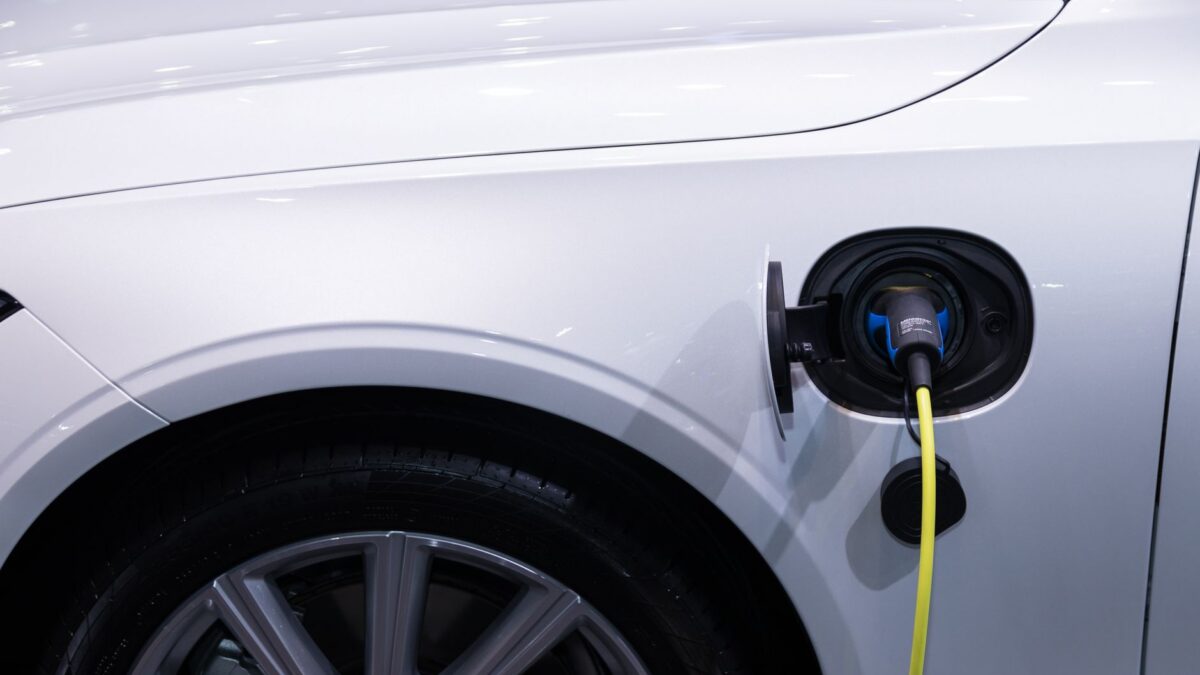
Ford examined about 36,000 Mustang Mach-E SUVs from the 2021 model year and found that the average battery retained 92 percent of its original health, according to Motor1, which cited Ford’s data. The automaker says the results support its design target for the batteries.
For owners and shoppers worried about battery wear and costly replacements, the figures give a real-world look at how first-year Mach-Es have aged, including some that have driven well past 100,000 miles.
The central numbers
- 36,000: the approximate number of first-year (2021 model year) Mustang Mach-Es Ford examined.
- 92 percent: the average battery health remaining across that group.
- 87 to 97 percent: the range of battery health for 95 percent of the SUVs.
- More than 2,000: Mach-Es with over 100,000 miles, which average better than 91 percent battery health.
- More than 30: 2021 Mach-Es that have passed 200,000 miles, averaging 88 percent.
How the results compare with Ford’s design target
Ford says it designs its batteries to last at least 10 years and to hold 90 percent health at 100,000 miles. The high-mileage group, at better than 91 percent, sits above that mark.
The data covers Mach-Es with nickel-cobalt-manganese (NCM) batteries. Some newer Ford EVs use lithium iron phosphate (LFP) packs, which are not part of this sample. Motor1 notes that LFP packs tend to last longer but store less energy for their size than NCM batteries, and cold weather can slow their performance.
Ford’s tips for keeping a battery healthy
Ford names extreme temperatures as one of the biggest dangers to modern EV batteries. Its recommendations for owners:
- Precondition the vehicle while it is plugged in, so the battery reaches a suitable temperature before driving.
- Park in the shade in summer.
- Use a Level 2 charger as the main way to charge, and use DC fast charging only when necessary.
- Check the Ford app for charge-level recommendations specific to the vehicle.
Why it matters
Battery longevity is one of the concerns that keeps some buyers away from electric vehicles. Ford’s sample is large and covers the oldest model year of the Mach-E, so it shows how packs have held up after several years on the road. It comes from the manufacturer itself, and Ford did not publish the underlying dataset in the material Motor1 reported.
Outside research cited by Motor1 points the same way. One study found EVs with more than 150,000 miles still had between 81 percent and 91 percent of their battery capacity. Motor1 also reports that charging habits affect battery longevity more than mileage does.
Source: Motor1