Toyota Revives Scion With a 25-mph Kei Truck Built in Indiana
Toyota relaunches Scion with the KEI-01, a 25 mph kei truck to be built in Indiana for fleets first. Price and timing details inside.
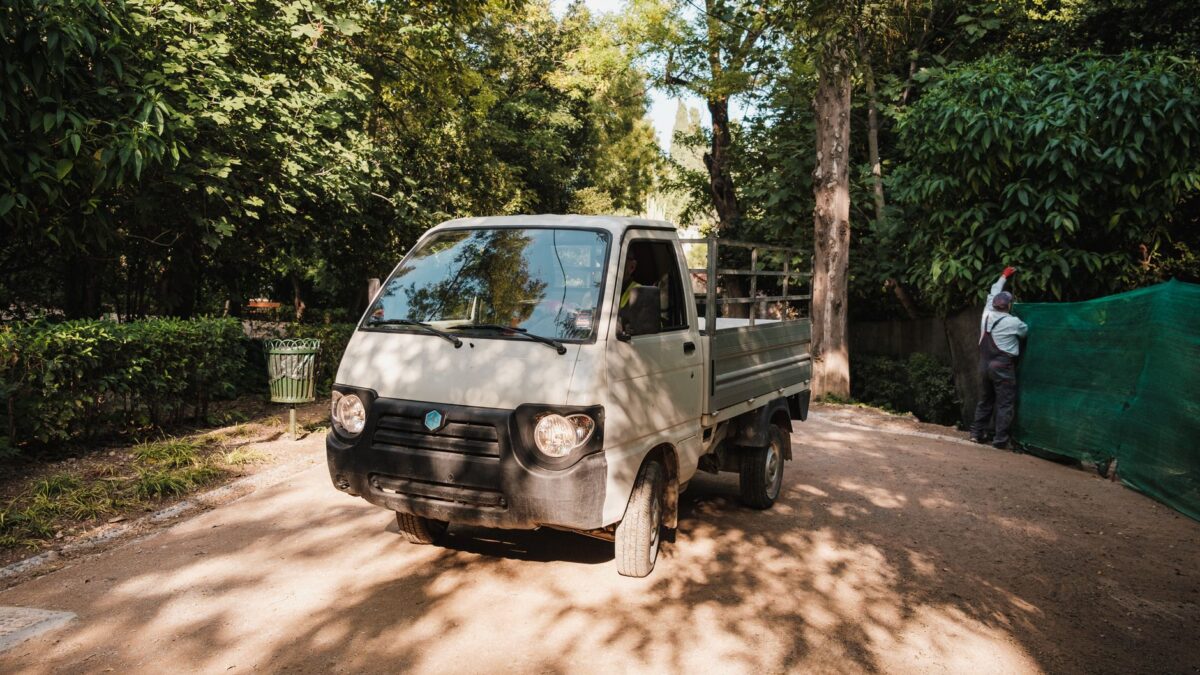
Toyota is bringing back the Scion name as a new sub-brand called Scion by Toyota, and its first product is the KEI-01, a very small truck that tops out at 25 mph. Toyota plans to build it in Indiana and sell it to fleet customers first, according to Autoweek, Motor1 and Car and Driver.
Retail buyers will not find it at dealers at the start. Toyota says it could offer the truck to individual customers later, depending on demand and other factors.
What the KEI-01 is
A kei truck is a type of small utility vehicle from Japan. The word comes from a Japanese classification that translates to light automobile. Car and Driver describes the KEI-01 as essentially a rebadged Daihatsu Hijet Jumbo.
The truck is just over 11 feet long and less than 5 feet wide. A 660cc three-cylinder engine drives it through a continuously variable transmission, and it has selectable four-wheel drive. Car and Driver reports that a hydromechanical clutch sends power between the front and rear wheels depending on traction, with a “Lock” button that keeps power split evenly.
The cargo bed folds down on three sides and carries up to 600 pounds, per the sources. Toyota also designed the truck to tow small trailers and equipment. Inside, it is right-hand drive only, with air conditioning, push-button start and a reverse camera, according to Motor1 and Car and Driver. Car and Driver adds that a towing package may be an optional extra.
Why it is limited to 25 mph
The KEI-01 is built to meet federal rules for low-speed vehicles. Car and Driver says that category lets the truck avoid the crash-test standards that apply to conventional passenger vehicles and pickups, and keep its right-hand-drive layout. The outlet adds that engineers told it the speed cap is set in the engine computer.
That limit points the truck toward farms, campuses, municipalities and similar settings where high-speed road use is not needed, Autoweek reports.
Indiana production and jobs
Toyota will assemble the KEI-01 at its plant in Princeton, Indiana, which also builds the Grand Highlander and Sienna, according to Car and Driver. Autoweek reports that the company is investing $34 million in the project and expects to add about 50 jobs. Production is set to start in the second half of 2027.
Fleet buyers will go through Scion by Toyota-authorized dealers. Car and Driver describes the first sales as a fleet-focused trial program meant to test demand.
Two concepts arrive with it
Toyota also showed two concepts under the Scion by Toyota banner. The SxS is an off-road side-by-side with a turbocharged four-cylinder hybrid powertrain rated at 300 hp, plus a Silent Mode for electric-only driving. Car and Driver notes it was first revealed at SEMA last year. The BKE is a scooter aimed at personal mobility and outdoor recreation. Motor1 compares it with Honda’s Motocompacto electric scooter.
Toyota has not said whether the SxS or BKE will reach production. Toyota calls the new brand a “freedom lab” for unconventional mobility, personalization and outdoor recreation. The original Scion was a youth-focused car division that Toyota discontinued in 2016.
Why it matters for buyers
People who have wanted a new kei truck in the United States have had to rely on imports of older models from Japan. Car and Driver frames the KEI-01 as Toyota’s answer to that interest, and Motor1 says the demand showed up in social media comments.
For now, the truck is aimed at organizations that need a small work vehicle for low-speed use. Individual shoppers would have to wait for Toyota to decide on retail sales. Toyota has not announced official pricing. Motor1 says it will likely cost just under $20,000, though that figure is the outlet’s estimate and not a Toyota number.
What to watch next
Production at the Indiana plant is scheduled for the second half of 2027, with full pricing and options still to come. Whether Toyota opens sales to retail customers will depend on how the fleet program performs.
Sources: Autoweek, Motor1, Car and Driver