Stranded in a Car in Snow: Emergency Kit, Staying Warm and CO Risk
If you are stranded in a car in snow, stay with the vehicle, keep the tailpipe clear and run the engine in short bursts. What to pack and how to stay warm.
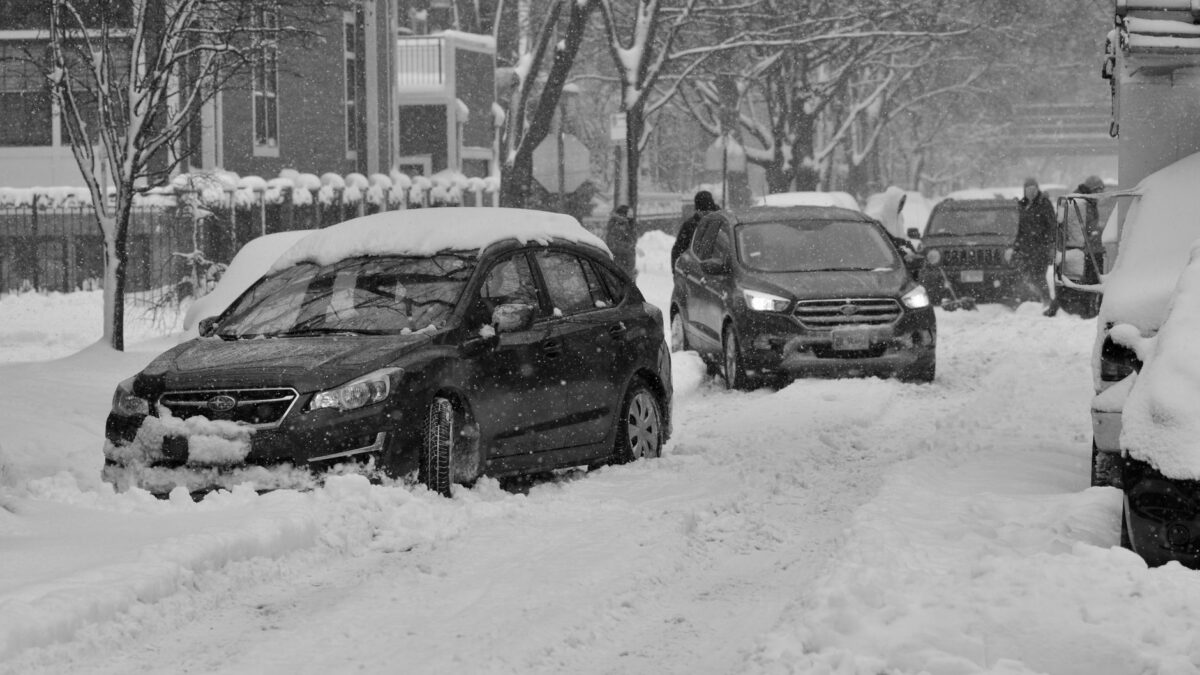
If you are stranded in a car in snow, the safest plan is usually to stay with the vehicle, call for help, keep the tailpipe clear of snow and run the engine for about 10 minutes each hour for heat. A blocked exhaust pipe can push carbon monoxide into the cabin within minutes, so clearing it before every run of the engine matters as much as the heat itself. A small winter kit in the trunk covers most of what you need until help arrives.
Should you stay in the car or walk for help?
Stay in the car unless a building or help is clearly visible and close. A vehicle is shelter from wind, it is much easier for rescuers to spot than a person on foot, and walking through deep snow in a storm burns energy and body heat fast. People who leave their cars in whiteouts can lose their way within a short distance of the road.
Call 911 or your local emergency number as soon as you know you are stuck, and give your road, direction of travel and nearest mile marker or exit if you can see one. Then save the phone battery: lower the screen brightness, close apps and only check for messages at set times.
How do you avoid carbon monoxide poisoning in a stuck car?
Keep the tailpipe completely clear of snow and run the engine only in short periods. When snow builds up around the exhaust, the fumes have nowhere to go and can work their way into the car through gaps in the body and the ventilation system. Carbon monoxide has no color or smell, and the first signs (headache, dizziness, nausea, sleepiness, confusion) are easy to mistake for cold or fatigue.
- Before you start the engine, get out on the side away from traffic and dig the snow away from the tailpipe and from under the rear of the car.
- Run the engine and heater for about 10 minutes per hour, not continuously. This also saves fuel.
- Open a window slightly, on the side away from the wind, while the engine runs.
- Check the tailpipe again each time before the next run, because blowing snow refills it.
- If anyone feels headachy, dizzy or unusually sleepy, turn the engine off and let fresh air in at once.
The Centers for Disease Control and Prevention lists vehicle exhaust as a common source of carbon monoxide poisoning and warns never to run a car in an enclosed space such as a garage. Never sleep in a car with the engine running when snow is drifting around it.
How do you stay warm without running the engine all the time?
Trap the heat you already have. Put on every extra layer in the car, including hats and gloves, since a lot of body heat escapes from the head and hands. Wrap up in blankets and, if more than one person is in the car, sit close together and share them.
- Move your arms and legs, clap your hands and flex your toes every so often to keep blood flowing.
- Avoid sweating: damp clothing pulls heat away from the body, so take off a layer before you start digging and put it back on afterward.
- Drink water and eat a little. The body needs fuel to make heat.
- Do not eat snow straight from the ground. It lowers your body temperature; melt it first if you need water.
- Stay awake if you can, or sleep in turns so someone is always watching the tailpipe, the time and the road.
A car battery drains faster in the cold, so limit lights and accessories while the engine is off. The guide on why car batteries fail in cold weather and how to jump one covers what to do if it will not restart.
What should a winter car emergency kit include?
A basic winter kit keeps you warm, visible and fed for several hours, and helps you dig out if the car is only lightly stuck. Ready.gov, the federal preparedness site, recommends keeping one in the car through the cold months.
- Blankets or a sleeping bag, plus spare hats, gloves, socks and a warm jacket for each person
- Bottled water and high-calorie food that keeps, such as nuts, granola bars and dried fruit
- Flashlight with spare batteries, and a phone charging cable or power bank
- Small folding shovel, ice scraper and snow brush
- Sand, cat litter or traction mats to put under the drive wheels
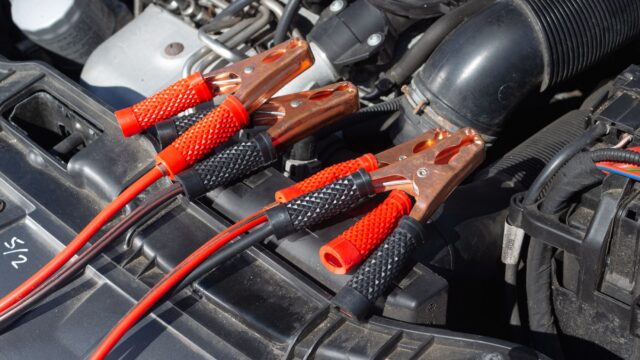
- Jumper cables or a portable jump starter
- First-aid kit and any medicines you or your passengers take daily
- Reflective warning triangles or flares and a brightly colored cloth
- Matches or a lighter in a waterproof container
Keep the fuel tank at least half full in winter. It gives you more hours of heat if you are stuck and helps keep moisture from freezing in the fuel lines.
How do you make sure rescuers can find you?
Make the car stand out against the snow. Tie a bright cloth to the antenna or a door handle, or close it in the top of a window. Turn on the dome light while the engine is running so the car is visible at night without draining the battery when it is off. Keep the roof and the area around the hood clear if snow piles up, and put out warning triangles or flares if it is safe to step out.
If you have cell service, share your location from your phone’s map app with someone you trust and tell them your plan.
How can you avoid getting stranded in the first place?
Check the forecast and road conditions before you leave, and delay the trip if a winter storm warning is in effect. Tell someone your route and when you expect to arrive. Tires matter too: the guide to winter, all-season and all-weather tires explains which grip best on snow and ice. Before winter, have the battery, wipers, antifreeze and heater checked, and replace worn wiper blades.
Quick answers
How long can you run a car to stay warm?
Run it for about 10 minutes each hour with the tailpipe cleared and a window opened slightly on the side away from the wind. Running it continuously wastes fuel and raises the carbon monoxide risk if snow builds up.
Can a carbon monoxide detector help in a car?
A battery-powered carbon monoxide alarm can warn you of rising levels, but it does not replace clearing the tailpipe and running the engine in short periods. Treat any headache, dizziness or drowsiness as a warning even without an alarm.
Is it safe to sleep in a car in a snowstorm?
Only with the engine off, or with someone awake who keeps checking the tailpipe. Sleeping with the engine running while snow drifts around the car is how many carbon monoxide deaths in stuck vehicles happen.
What if the car is only lightly stuck?
Clear snow from around the drive wheels and under the car, put sand, cat litter or traction mats in front of the tires, and accelerate gently. Spinning the wheels fast digs them deeper.