House Panel Presses Mercedes-Benz on 20% Chinese Ownership
A House committee wants Mercedes-Benz to answer questions on its roughly 20% Chinese ownership by Dec. 1 as a Senate bill sets a 15% cap.
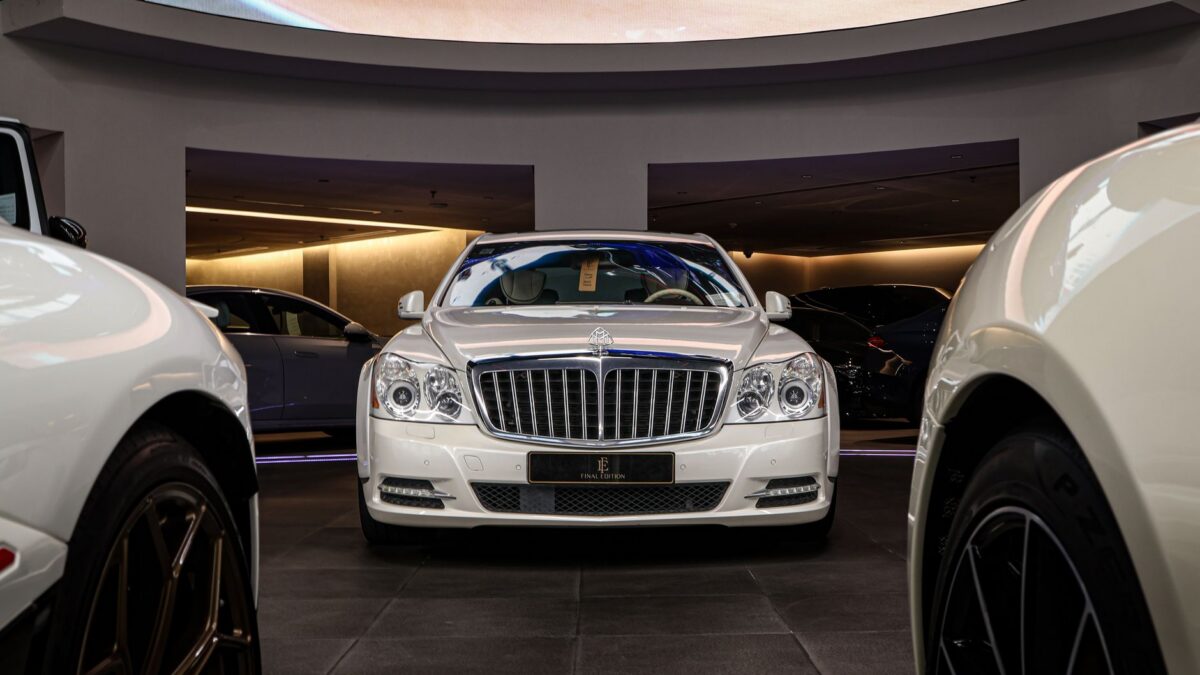
A bipartisan pair of House leaders is questioning Mercedes-Benz about where it stands with China. Dec. 1 is the deadline for the automaker to reply, hand over paperwork and sit down with Jason Hoff, who runs its North American business.
Reuters saw the letter. It comes from Rep. John Moolenaar, the Republican chair of the House Select Committee on China, and Rep. Ro Khanna, the panel’s ranking Democrat. They argue that roughly 20% of the company sitting with Chinese investors creates serious risk. Their inquiry arrives as Congress debates tighter limits on Chinese-linked car companies.
What the committee wants to know
The two lawmakers wrote that the type of investors involved, and the sway those investors seem to have over how the business runs, make the ownership more worrying. Their letter lists two dozen questions covering Mercedes-Benz’s China relationships and its technology tie-ups. The committee said the replies would inform its work on legislation about Chinese vehicles.
BAIC Group, a Chinese state-owned automaker, holds close to 10% of Mercedes-Benz. Li Shufu, who chairs Geely, owns close to another 10%. CBT News said Geely had not responded right away to a request for comment.
Mercedes-Benz confirmed it got the letter and plans to cooperate. The company told Reuters that its board of management runs it independently, that none of its shareholders hold seats on that board or direct the business, and that it has long backed steps to safeguard U.S. national security.
The Senate bill and its 15% cutoff
Sens. Bernie Moreno, R-Ohio, and Elissa Slotkin, D-Mich., sponsor the Connected Vehicle Security Act. Under it, a company whose Chinese ownership tops 15% could not sell cars in the U.S. The Senate Commerce Committee cleared the bill in July. A House companion has more than 100 co-sponsors, and the legislative session wraps up in December.
Moreno said the final text will keep Mercedes-Benz on the U.S. market, a promise he also made in September. He hopes Congress acts as early as this week. Talks are also underway about how Volvo Cars, majority-owned by Geely, could stay in the market. Jalopnik reported that Polestar, a Volvo sister brand, will not receive a similar grace period.
Chinese brands are largely shut out today. A rule from the Biden administration in January 2025 effectively bars them, and tariffs on Chinese electric vehicles top 100%. In September, President Donald Trump told Fox News he would welcome Chinese carmakers building vehicles on U.S. soil, a remark that unsettled the industry. Six trade groups for automakers, suppliers and dealers have asked him to hold the line on the current barriers.
What it means for Mercedes-Benz and Volvo buyers and dealers
CBT News noted that the bill’s wording matters for dealers selling Mercedes-Benz and Volvo, since the ownership cutoff would settle which brands may sell here. Chinese shareholders hold stakes at or near that line in both companies.
According to Jalopnik, Mercedes-Benz has about 10,000 direct employees in the U.S. and backs another 107,000 jobs at suppliers and service providers.
What happens next
Mercedes-Benz must answer the committee by Dec. 1. Lawmakers could vote on the bill as soon as this week, according to Moreno, and the session closes in December.