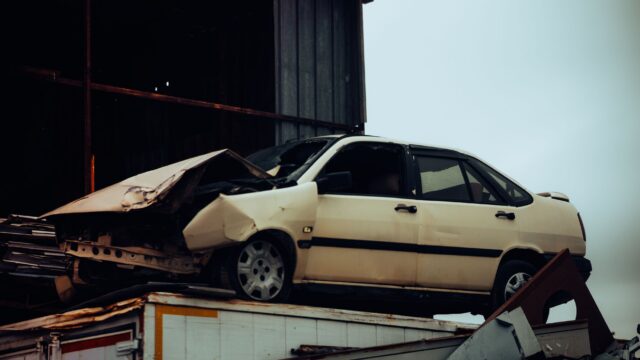
Does Car Insurance Cover Winter Damage? Ice, Hail, Trees, Potholes
Collision covers sliding on ice into an object, comprehensive covers hail and fallen trees. See how each winter claim is usually sorted, and what to do first.
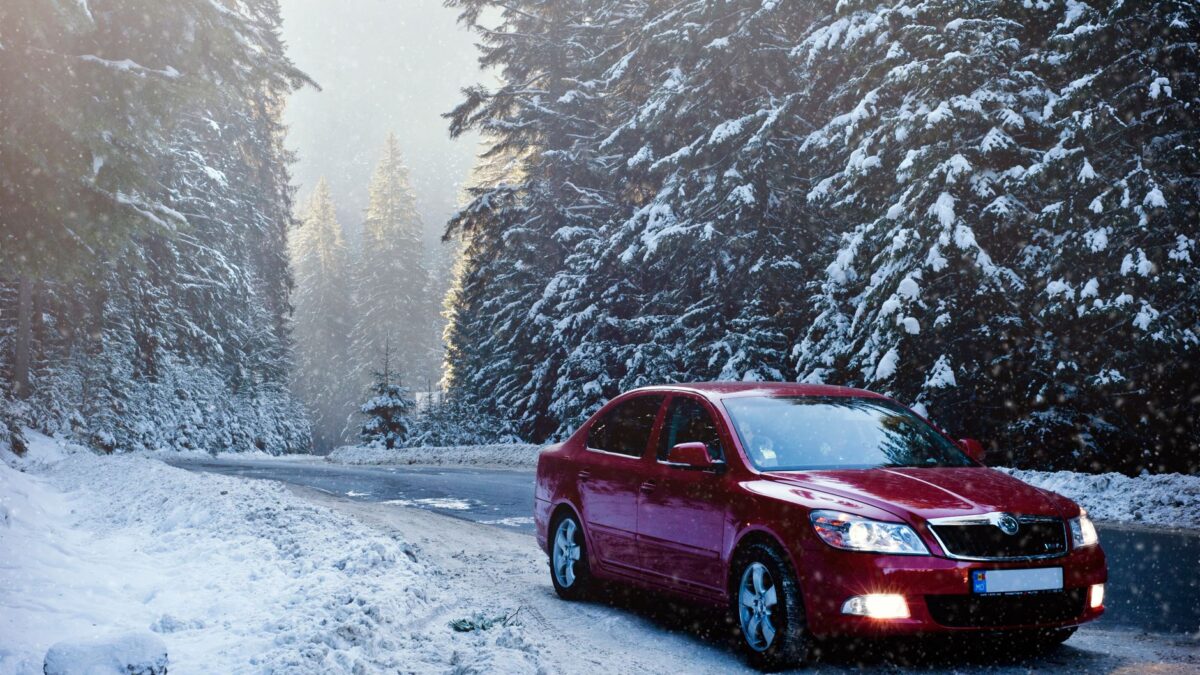
Car insurance covers winter damage to your own vehicle only if you carry the right coverage. Collision pays when your car hits something, including a guardrail after sliding on ice. Comprehensive pays for damage that does not come from a crash, such as hail or a tree falling on the car. Liability alone pays nothing toward your own repairs.
Policy wording differs between insurers and states, so treat this as a general map and confirm the details in your own policy documents.
Does collision cover a slide on ice?
Yes, in most cases. Collision coverage applies when your car strikes another vehicle or an object, or rolls over, and the cause of the slide does not change that. If you lose traction on an icy road and hit a curb, guardrail, pole or another car, the damage to your car is normally a collision claim. You pay your deductible and the insurer pays the rest, up to the car’s value.
If the other driver caused the crash, their liability coverage may pay for your repairs. Many people still use their own collision coverage to get the car fixed sooner and let the insurers settle between themselves.
Does comprehensive cover hail and fallen trees?
Usually yes. Comprehensive covers damage from events other than a collision, and hail dents, cracked windshields and branches or trees that fall onto a parked car are standard examples. Theft, fire and flooding also fall under it. The stolen car guide explains how that part of the coverage pays.
A tree you drive into is a gray area. Some insurers treat it as comprehensive and others as collision, because your car hit an object. Ask your insurer before you assume either.
Are potholes covered?
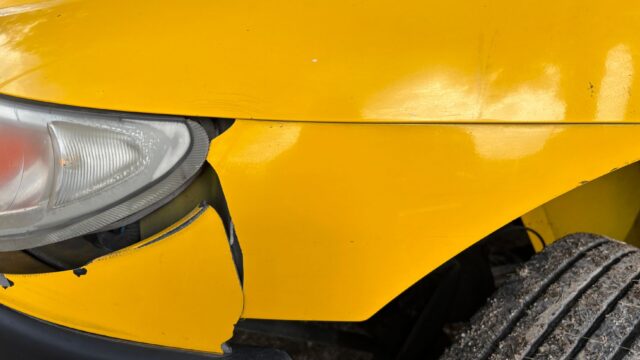
Pothole damage is generally treated as a collision claim, since the car hit something in the road. It can include bent wheels, damaged suspension and tire damage. The repair bill often turns out to be close to the deductible, so a claim may not be worth filing. Ask for a repair estimate first and compare it with your deductible.
A city or state is not automatically responsible for a pothole. Many local governments have a process for damage claims and strict notice rules, and success is not guaranteed.
What does winter damage not cover?
Several common cold-weather problems are not insurance claims at all:
- Normal wear, such as tires worn down by the season or a battery that gave out in the cold (see the guide to a car battery in cold weather).
- Mechanical failure that is not caused by an accident or covered event.
- Damage to your car if you only have the minimum legal cover. Required liability limits pay for harm to others, and the minimum insurance by state page shows what each state requires.
- Towing, a rental car and roadside help, unless you added roadside assistance or rental reimbursement.
If your car is financed or leased, the lender usually requires both collision and comprehensive, so you probably have them.
What should you do after winter damage?
- Move to a safe place and call emergency services if anyone is hurt or the road is blocked.
- Take photos of the car, the scene, the road conditions and any other vehicle or object involved.
- Exchange details with other drivers and report the crash to the police when the law or your insurer requires it.
- Contact your insurer promptly and describe what happened in plain terms.
- Keep receipts for towing, temporary repairs and a rental car.
The federal government’s Ready.gov site has winter weather preparation advice, and the guide to winter tires covers the traction side of avoiding a slide in the first place.
Will a winter claim raise your premium?
It can. At-fault collision claims commonly affect rates at renewal. Comprehensive claims for weather events are generally treated more lightly, but practice varies by insurer and state. The guide to why car insurance went up lists the other factors that move a quote.
Quick answers
Is hail damage a collision claim?
No. Hail is normally handled under comprehensive coverage, and you pay the comprehensive deductible.
Do I need to carry both coverages?
Not by law in most places, but lenders and lessors usually require them. If you own an older car outright, the cost of both against the car’s value is worth weighing.
Can I claim if I hit black ice and nobody else was involved?
Yes, if you carry collision coverage and the car hit an object or rolled. You pay the deductible, and your insurer decides the claim under your policy terms.