Warming Up a Car in Winter: How Long to Idle and When Not To
Modern fuel-injected engines need about 30 seconds of idling in winter, not 10 minutes. Learn how remote start, idling laws and fuel use fit in.
A modern gasoline car with fuel injection needs only about 30 seconds of idling before you drive in winter, even in freezing weather. The engine warms up faster under a light load than it does sitting still, so the best routine is to start the car, let the oil circulate for half a minute, clear the windows and drive gently for the first few miles.
Long warm-up idling is a habit left over from carbureted engines. It wastes fuel, adds engine wear in the cold phase, and can break local idling rules. This guide covers how long to idle, how remote start fits in, and what idling laws usually say.
Do modern engines need to warm up before driving?
No, not for long. Engines built since fuel injection became standard meter fuel electronically and adjust to temperature on their own. The old need to idle for several minutes so a carburetor could settle no longer applies.
What the engine does need is a short moment for oil pressure to build and oil to reach the upper parts of the engine, which usually takes well under a minute. After that, the fastest way to bring the engine, transmission and tires up to working temperature is to drive.
What is the best way to warm up a car in winter?
Follow this order:
- Start the engine and check that no warning lights stay on.
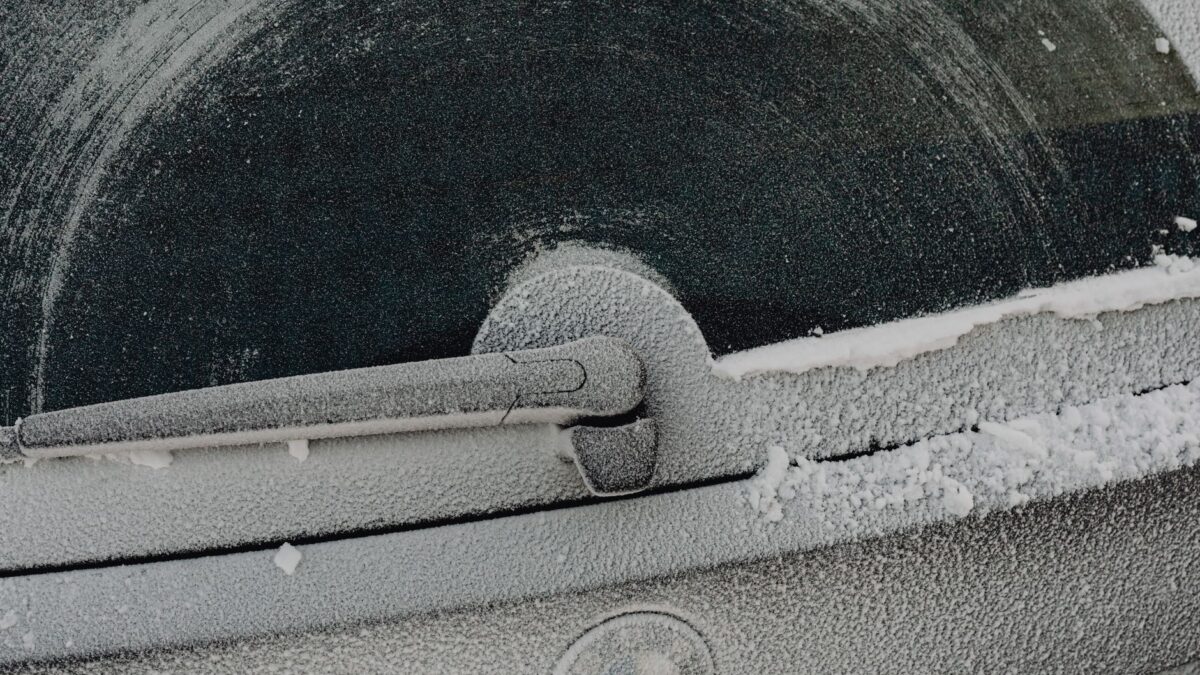
- Wait about 30 seconds while you buckle up and clear snow and ice from every window, the mirrors, the lights and the roof.
- Drive away smoothly. Keep engine speed moderate and avoid hard acceleration until the temperature gauge starts to climb.
- Expect the cabin heat to arrive after a few minutes of driving, since the heater uses warmth from the engine coolant.
Heated seats and a heated steering wheel, if the car has them, make the first minutes more comfortable without any extra idling.
How cold is too cold to skip idling?
In very low temperatures, such as well below 0°F (-18°C), a minute or two of idling is reasonable so thick oil can flow before you pull away. Check the owner’s manual, because it is the final word for your engine and gives the manufacturer’s own cold-weather guidance. Diesel engines usually take longer than gasoline ones, and many wait for a glow-plug indicator before cranking.
Using the oil grade the manual specifies matters more than any idling routine. A lighter winter-rated oil flows sooner in the cold than a heavy one.
Is remote start bad for the engine?
Remote start is not harmful to a modern engine, but it is the reason many cars sit idling for ten minutes or more. Those minutes cost fuel and do little for the engine. Setting the timer to the shortest run time that melts frost on the glass is a sensible compromise, since the main benefit of remote start is a clear windshield and a warmer cabin.
A few safety points apply:
- Never remote start a car parked in a closed or attached garage. Exhaust contains carbon monoxide, which can seep into living spaces even when the garage door is open. The CDC explains the risk on its carbon monoxide pages.
- Keep the tailpipe clear of snow before starting the car while it sits in a drift.
- Keep the doors locked. Remote start systems generally leave the car locked and shut the engine off when the brake is pressed without the key in the car, but the owner’s manual describes how yours behaves.
A car left running with the key inside is a theft risk. If you also worry about weather damage to a parked car, the article on winter damage and car insurance explains which events a policy usually covers.
What do state idling laws say?
Many states and cities limit how long a vehicle may idle, and the rules differ widely. A common limit is a few minutes, often with exceptions for very cold weather, traffic, repairs and vehicles that need the engine for safety or comfort. Fines also vary. Some places apply the rules mostly to diesel trucks and buses, while others cover every vehicle parked on a public street or near a school.
Because the details change from one town to the next, check your state environmental agency or your city’s website for the current limit. If you recently moved, idling rules are one more local rule to learn along with registering a car after moving to a new state.
A rule against leaving a car running unattended also exists in some places. It can apply even on your own driveway, so read the local wording before relying on a remote start.
How much fuel does idling waste?
An idling engine burns fuel and gets zero miles per gallon. The US Department of Energy’s fueleconomy.gov site publishes guidance on idling and says that restarting a modern engine uses less fuel than a long idle. Ten minutes of warm-up every morning adds up over a winter as gasoline burned with no distance traveled.
What about electric vehicles and hybrids?
Electric cars have no engine to warm up, but the battery and cabin do benefit from heat before you leave. Preconditioning while the car is plugged in uses power from the wall instead of the battery. The guide to EV preconditioning in winter covers how to set it up. A hybrid starts and stops its gasoline engine on its own, so manual idling is unnecessary.
Quick answers
How long should I let my car idle in winter?
About 30 seconds is enough for most gasoline cars with fuel injection. Use a minute or two only in very hard cold, and follow the owner’s manual.
Does idling charge the battery faster?
Not much. At idle speed the alternator produces little extra charge, and driving charges a battery more effectively than sitting still.
Is it safe to let the car warm up in the driveway?
Yes, in an open space with the car locked and the tailpipe clear, as long as local idling rules allow it. Do not leave a running car in a closed garage at all.
Should I use a block heater?
In extreme cold, an engine block heater on a timer warms the engine before you start it. Many cars sold in cold regions have the cord built in, and the manual says whether yours does.