GAP Insurance Explained: What It Pays and When You Need It
How GAP coverage works, what it leaves out, why the dealer's version usually costs more, and how to claim a refund when you pay off the loan early.
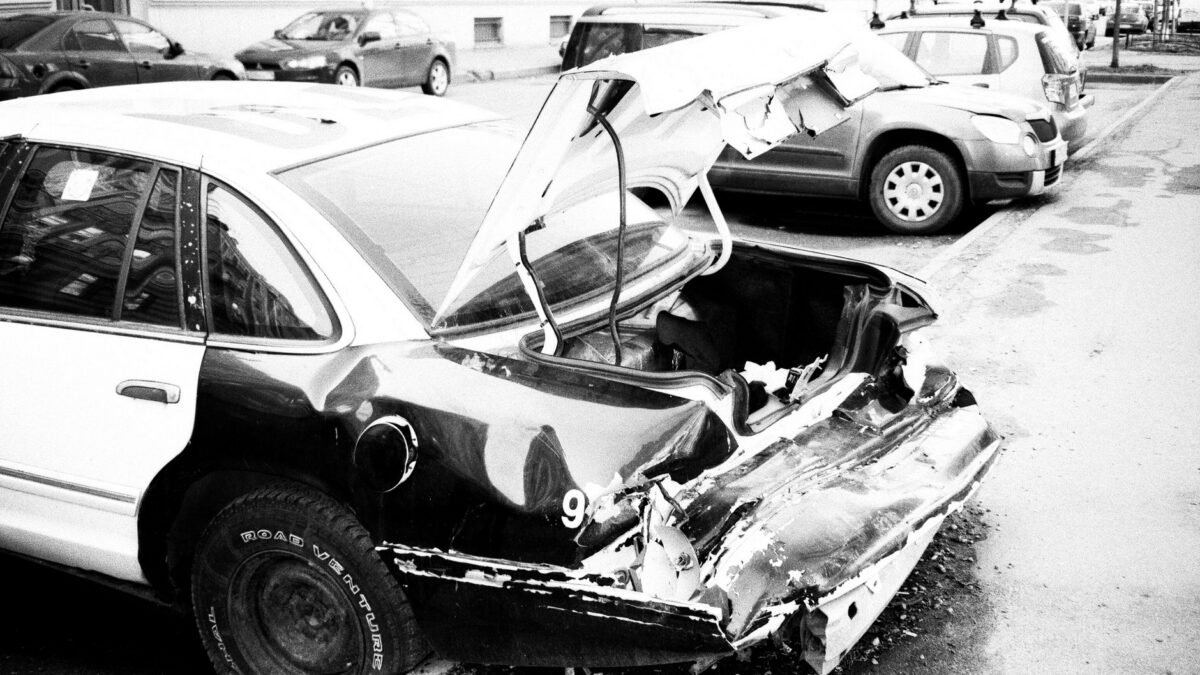
GAP coverage (guaranteed asset protection) pays the difference between what your auto insurer pays for a totaled or stolen car and what you still owe on the loan or lease. It is worth having when you owe more than the car is worth, which is common with a small down payment, a long loan or negative equity rolled in from a trade. Once the loan balance drops below the car’s value, it pays nothing.
GAP is sold two ways: as a waiver or contract from the dealer or lender, and as an add-on to an auto insurance policy. They cover the same basic gap but differ in price, rules and refunds.
What does GAP coverage pay?
GAP pays the shortfall after your collision or comprehensive coverage settles a total loss. Your insurer pays the car’s actual cash value, which reflects depreciation. If the loan balance is higher, GAP covers the difference up to the contract’s limits.
Example: your car is totaled. The insurer values it at $22,000, and you owe $27,000. Without GAP, you would still owe the lender $5,000 for a car you no longer have. With GAP, that $5,000 is paid, subject to the policy’s exclusions.
What does GAP not cover?
GAP contracts have limits, and they vary. Common exclusions include:
- Your insurance deductible, unless the contract says it covers it.
- Late fees, past-due payments and finance charges on missed payments.
- Negative equity or add-ons above a set limit, often stated as a maximum loan-to-value ratio.
- The cost of service contracts or other products rolled into the loan.
- Repossession. GAP does not pay a deficiency after the lender repossesses and sells the car.
- Losses where your auto insurance does not pay, such as no collision coverage at the time of the crash.
GAP also does not replace the car. It clears the loan so you can start fresh, but the down payment on the next car is up to you.
When is GAP worth it?
GAP is most useful in the first years of a loan, when depreciation is fastest. You are more likely to need it if:
- You put down less than about 20%.
- The loan term is 60 months or longer.
- You rolled a previous loan’s balance into the new one. Our guide to upside-down car loans explains how that happens.
- The car is a model that loses value quickly.
- You are leasing and the lease does not already include GAP.
You likely do not need it if you paid cash, made a large down payment, or your loan balance is already below the car’s market value. Check the value against your payoff once a year. When the balance falls below the value, you can cancel.
Is GAP cheaper from the dealer or the insurer?
Insurer GAP is usually the cheaper route. Dealer and lender GAP is typically a one-time charge added to the loan, so you also pay interest on it for the full term. Auto insurers that offer GAP or loan/lease payoff coverage add it to your policy, and the cost is spread across your premium.
| Dealer or lender GAP | Insurer GAP or loan/lease payoff | |
|---|---|---|
| How you pay | One-time charge, often financed | Added to your premium |
| Interest | Yes, if rolled into the loan | No |
| Price negotiable | Yes | Set by the insurer |
| Coverage limits | Set by the contract; can be generous | Some cap the payout, such as a share of the car’s value |
| Cancel when no longer needed | Request a refund of the unused part | Remove it from the policy |
Not every insurer offers GAP, and some sell it only on new cars or only to the original loan holder. Get a quote from your insurer before you sit down in the finance office. GAP is optional at the dealer, and you can decline it there and buy it from your insurer instead, as our guide to dealer add-ons explains.
How do I get a GAP refund when I pay off the loan early?
If you bought dealer or lender GAP and pay off the loan early, refinance, sell or trade in the car, you are often owed a refund of the unused portion. Many contracts calculate it pro rata, minus a cancellation fee. Some states require refunds or set how they are calculated.
- Find the GAP contract in your purchase paperwork and read the cancellation section.
- Get a payoff letter or proof of sale from the lender.
- Send a written cancellation request to the dealer or the GAP administrator named in the contract, with the payoff date and odometer reading.
- Follow up if the refund does not arrive within the period stated in the contract.
- If the loan is still open, ask whether the refund will be applied to the loan balance.
The CFPB has reported auto loan servicers that failed to make sure borrowers received GAP refunds they were owed after early payoff or repossession. If you get no answer, file a complaint through the CFPB’s auto loan resources and with your state attorney general or insurance department.
Bottom line
GAP makes sense while you owe more than the car is worth, and it should be dropped once that stops being true. Price it with your insurer first, and if you bought it at the dealer, claim the refund when the loan ends early.
FAQ
Is GAP insurance required?
No federal or state law requires drivers to carry GAP. Some leases include it, and a lender may require it as a loan condition, so ask for any requirement in writing.
Can I cancel GAP and buy it somewhere else?
Yes. You can cancel dealer GAP and request a refund, then add GAP to your auto policy if your insurer offers it. Keep coverage in place until the new policy starts.
Does GAP pay if my car is stolen?
Yes, if your comprehensive coverage pays for the theft as a total loss. GAP covers the remaining loan balance within its limits.
Does GAP cover my deductible?
Some contracts do, up to a stated amount, and many do not. Check the contract’s coverage section before you buy.