Road Salt and Rust: How to Protect a Car’s Underbody in Winter
Road salt speeds up rust on a car's underbody, and regular rinsing slows it. Learn how often to wash, what undercoating does and what to inspect.
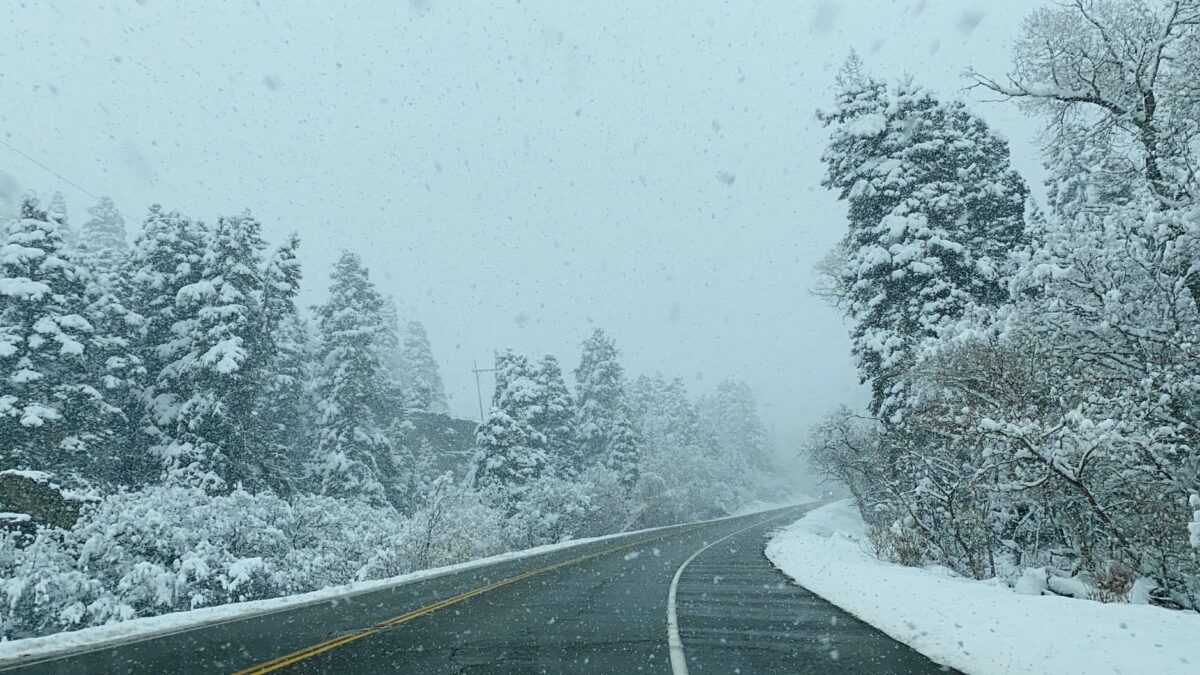
Road salt speeds up rust because salty water conducts electricity and keeps bare metal wet, which drives corrosion faster than plain water does. Washing the underbody regularly removes the salt before it does that work, and a wash is worth doing even in cold weather as long as the car is dried and the doors still open afterward.
Rust usually starts where paint is chipped or where moisture collects: rocker panels, wheel wells, brake lines, exhaust parts, the frame and the lower edges of doors.
Why does road salt cause rust?
Salt lowers the freezing point of water, so ice melts on the road at temperatures where it would otherwise stay solid. The same salty brine splashes onto the car, runs into seams and clings to the underbody. Iron and steel rust when exposed to oxygen and moisture, and dissolved salt makes that reaction quicker.
Brine is often sprayed ahead of a storm, so the car meets salt even on days without snow. The damage builds across a whole season, and a car that sits damp in a closed space can keep corroding after the road is clear.
How often should you wash a car in winter?
A common rule of thumb is to rinse the car every week or two while roads are salted, and after any storm that left a white crust on the paint. Waiting for spring lets salt sit on metal for months.
Choose a day above freezing when you can, so water drains instead of freezing in door seals, locks and handles. Pick a wash with an underbody spray, since the paint you see is the less vulnerable part. Hand washing at home works too: a hose with an undercarriage attachment aimed at the wheel wells, the frame and behind the bumpers reaches the places salt collects.
What does washing actually do for rust?
Washing removes salt and dirt that hold moisture against the metal. It does not repair rust that has started, and it does not coat the metal. It slows the process, which is the point.
A few habits make a wash more useful:
- Rinse before scrubbing so grit does not scratch the paint.
- Spend extra time on wheel wells, the area behind the tires and the lower doors.
- Open the doors, hood and trunk and wipe the rubber seals and sills after washing.
- Drive a short distance afterward to blow off water from the brakes and underbody.
Pressure washers are fine for the underbody, but keep the nozzle at a distance from electrical connectors, sensors and any damaged seals.
Is undercoating or rust-proofing worth it?
It can be, depending on the product and the application. Oil-based or wax-based rust inhibitors creep into seams and stay soft, and they are usually reapplied each year. Hard rubberized coatings form a shell that can crack. If that shell traps water against the metal, rust can spread unseen underneath.
New vehicles already carry factory corrosion protection, and some manufacturers include corrosion warranties against rust-through. Before paying for an aftermarket treatment, read your warranty terms, because an unapproved coating can matter in a claim. The question of what carries over to a second owner is covered in whether a factory car warranty transfers. A professional shop can inspect the underbody and apply the product evenly, which a driveway job rarely does.
What should you inspect and repair?
Look at the underbody at least once before winter and once after. Use a flashlight and check the following:
- Brake lines and fuel lines, for flaking, bubbling or heavy scale
- The frame and subframe, especially welds and joints
- Exhaust hangers and the muffler
- Paint chips on the hood edge, doors and fenders
Touch up small paint chips with automotive touch-up paint before moisture reaches the steel. Surface rust on a bracket is a cosmetic problem, but corroded brake lines, fuel lines or frame members are a safety issue. Have a mechanic look at them rather than driving on them.
Quick answers
Does a garage protect against rust?
A garage keeps snow off and slows ice buildup, but a car that comes in wet and salty can stay damp in a warm space. Rinsing first and letting it dry helps more than parking alone.
Will salt damage the tires or brakes?
Salt dries out and corrodes brake rotors, calipers and metal fittings, and rotors can show surface rust quickly. Tires matter for traction in snow, as covered in winter, all-season and all-weather tire choices.
Does insurance cover rust?
Insurance generally covers sudden damage, not gradual wear like rust. For damage from ice, hail and similar events, see what car insurance covers in winter.