Ford Ships First LFP Cells From Michigan Plant for Fathom Truck
Ford shipped the first lithium iron phosphate cells from its Michigan battery plant to Kentucky for Fathom prototypes. Here is what changes and what is disputed.
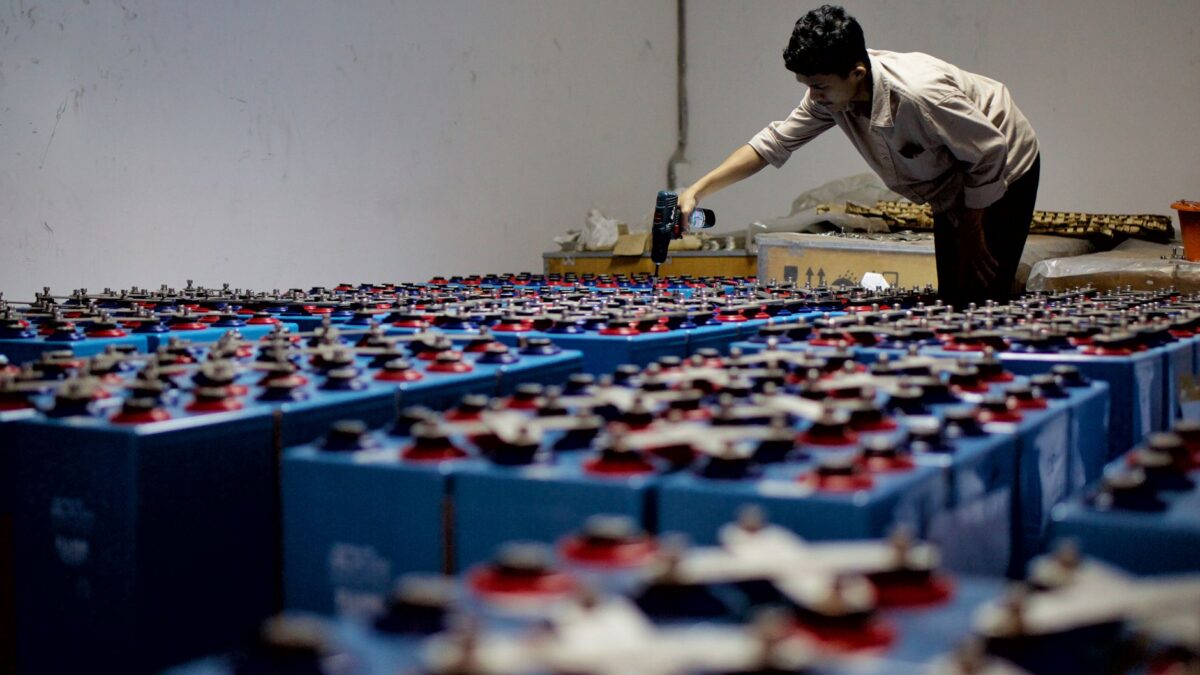
Ford Motor Co. has shipped the first lithium iron phosphate (LFP) battery cells made at its BlueOval Battery Park in Marshall, Michigan, according to a Nov. 18 company blog post reported by WardsAuto. The cells are going to the Louisville Assembly Plant in Kentucky, where they will power prototypes of the Fathom electric truck.
It is the first delivery from the plant since Ford announced the $3.5 billion project in 2023. Ford says the Fathom will be assembled in Louisville in 2027.
What the Michigan line makes
The plant produces prismatic cells, which are rectangular and built to sit directly in a vehicle’s chassis as a structural part. In the Fathom, the battery pack will form the truck’s floor. According to Ford, the assembly line turns out 40 cells per minute, which the company says makes it one of the fastest LFP production lines outside China.
LFP chemistry uses no nickel or cobalt, and Ford says that lowers cost. The company also says the cells are durable enough for years of charging and use. In an August blog post, Charles Poon, Ford’s VP of vehicle hardware engineering, said the aim is for electrified powertrains to last at least 15 years or 225,000 miles.
Workers at the plant use AI-powered image recognition and other tools to catch defects during production. Ford’s stated goal is a defect rate counted per billion cells instead of per million.
What this means for Fathom pricing
Ford announced in August that the Fathom will start at $28,350, plus a $1,595 destination fee. That keeps the truck under the $30,000 starting price the company had promised. Poon wrote that the plant is meant to build the expertise to make high-quality batteries at scale for more affordable EVs and a new energy storage business.
Ford owns and operates the Michigan plant outright. The next step is to have it running in early 2027, ahead of the Fathom launch.
A separate business for stationary storage
The battery work also feeds a second line of business. In May, Ford launched a subsidiary called Ford Energy to make battery energy storage systems for data centers, utilities and large industrial and commercial customers in the U.S. The unit uses spare capacity at the former BlueOval SK joint venture EV battery plant in Glendale, Kentucky.
Why the CATL license is disputed
Ford makes the Michigan LFP cells under a licensing agreement that uses technology developed by China’s CATL, a large producer of EV and energy storage batteries. The arrangement has drawn criticism from Washington. In a Sept. 3 letter to Ford CEO Jim Farley, Transportation Secretary Sean Duffy said the agency remains “deeply alarmed” by Ford’s reliance on Chinese technology and its effect on American jobs. Duffy urged Farley to end the company’s technology ties with China.
Ford responded that its CATL partnership in Michigan is a “limited technology-licensing and services agreement,” and not a joint venture or a foreign-owned manufacturing operation.
Source: YAHOO!