Car Inspection Requirements by State: Safety, Smog or Neither
Inspection rules changed recently: Texas dropped safety checks in 2025 and New Hampshire ended its program in 2026. Here is where each type of test still applies.
As of November 2026, about a dozen states require periodic safety inspections of passenger cars, about 27 states and DC require emissions or smog tests in all or part of the state, and about 17 require neither. Texas ended safety inspections for most passenger vehicles in 2025, and New Hampshire ended both its safety and emissions programs on January 31, 2026.
Rules depend on the state, the county and the vehicle’s age and fuel type, so the DMV renewal notice for your car is the final word.
Which states require annual or biennial safety inspections?
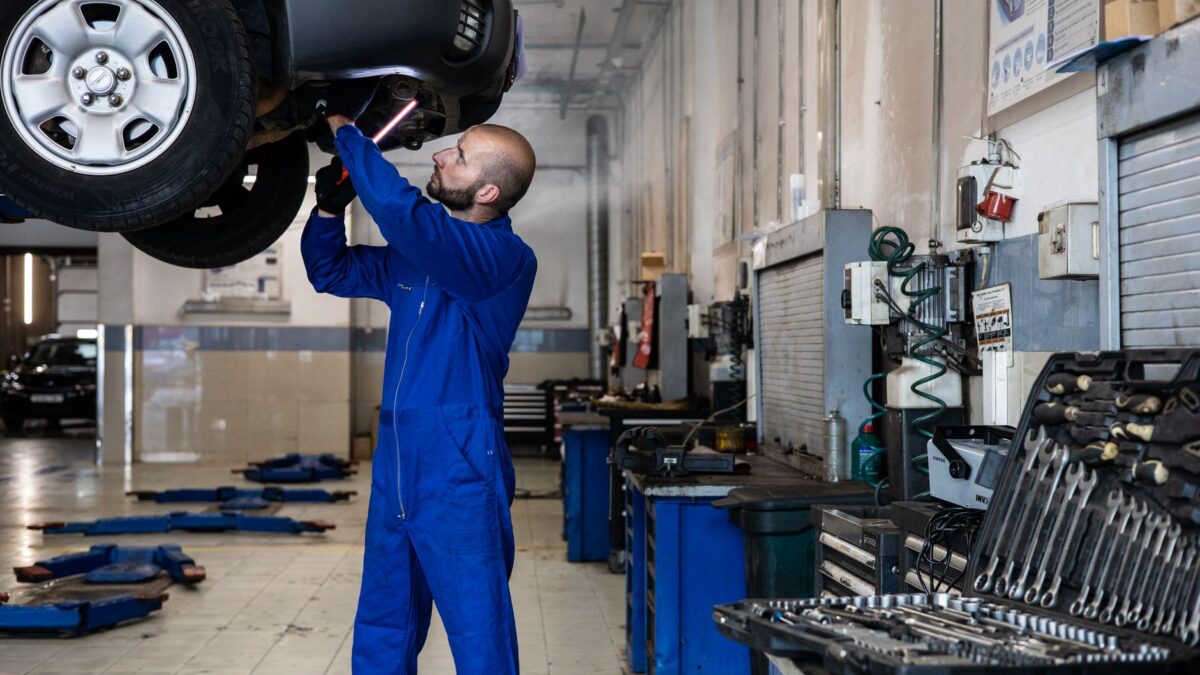
A safety inspection checks parts such as brakes, tires, lights, steering, wipers, mirrors and seat belts at a licensed station. The states below require one on a regular schedule, based on a February 2026 survey of state laws by the Vermont Legislative Research Service and state DMV pages.
| Schedule | States |
|---|---|
| Every year | Hawaii, Maine, Massachusetts, New York, North Carolina, Pennsylvania, Vermont, Virginia |
| Every two years | Delaware, Missouri, Rhode Island, West Virginia (changed from annual in 2024) |
| Annual or two-year sticker, depending on the option bought | Louisiana |
| Only at sale or first registration from out of state | Maryland (used car sales and transfers), Iowa, Kansas, Kentucky, Nebraska (out-of-state vehicles) |
Many of these states exempt new cars for the first few model years, and several give an exemption to antique or historic vehicles. Missouri, for example, exempts newer vehicles from its biennial inspection for a set number of years and miles; check the current limits with the Missouri Department of Revenue.
Which states require emissions or smog tests?
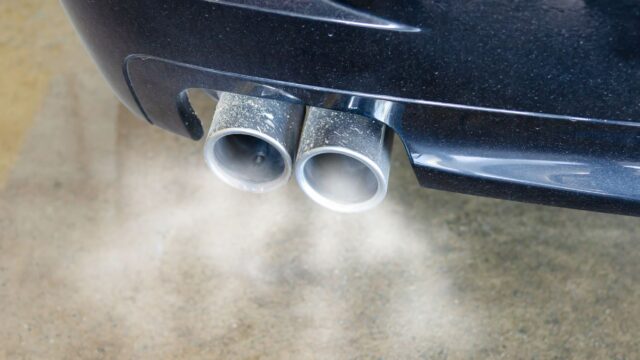
Emissions testing is tied to air quality. States with areas that do not meet federal clean-air standards run inspection and maintenance programs, often only in certain metro counties. Most modern tests read the car’s onboard diagnostics (OBD-II) rather than measuring the tailpipe.
| Coverage | States |
|---|---|
| Statewide | Connecticut, Delaware, Massachusetts, New Jersey, Rhode Island, Vermont |
| All or part of the state, depending on county | Arizona, California, Colorado, Georgia, Illinois, Indiana, Louisiana, Maine, Maryland, Missouri, Nevada, New Mexico, New York, North Carolina, Ohio, Oregon, Pennsylvania, Texas, Utah, Virginia, Wisconsin, District of Columbia |
In Texas, emissions testing continues in designated counties even though safety inspections ended; the Texas Commission on Environmental Quality lists them. Your registration renewal notice will say whether a test is due.
Which states have no inspection at all?
About 17 states have no periodic safety or emissions inspection for passenger cars. They include Alabama, Alaska, Arkansas, Florida, Idaho, Michigan, Minnesota, Mississippi, Montana, New Hampshire, North Dakota, Oklahoma, South Carolina, South Dakota, Tennessee, Washington and Wyoming.
Several of these dropped programs in recent years: Washington ended emissions testing in 2020, Tennessee in 2022, and New Hampshire both tests in 2026. Police in every state can still stop and cite a car with unsafe equipment such as broken lights.
Are new cars and EVs exempt?
New cars are usually exempt for their first several model years, and electric vehicles are exempt from emissions testing because they have no tailpipe. Safety inspections, where required, usually still apply to EVs.
California is a clear example. According to the California DMV, gasoline vehicles less than eight model years old, gasoline vehicles from 1975 or older, older diesels and electric vehicles do not need a biennial smog check. Owners of the newest gasoline cars pay a smog abatement fee instead. Hybrids are not EVs and are usually tested like gasoline cars.
What happens if my car fails?
A failed inspection usually means you have a set period to repair the problem and return for a retest, which some states offer free or at a reduced fee at the same station. You cannot renew the registration in a testing state until the car passes or qualifies for a waiver.
- Get the written failure report, which lists the failed items or the diagnostic trouble codes.
- Have the repairs done at any shop; you do not have to use the inspection station.
- Keep the repair receipts, which some states require for a waiver.
- Return for the retest before the deadline on the report.
- If emissions repairs are very costly, ask about your state’s repair cost waiver or financial assistance program.
A check engine light alone fails an OBD emissions test in most programs. If the light is on and the car is still under warranty, the emissions parts may be covered; our guide to what voids a car warranty explains your rights at the dealer.
Do I need an inspection when I buy a used car or move?
Often yes. Maryland requires a safety inspection when a used car is sold or transferred, and several states require an inspection or VIN verification when you register a car brought in from another state. When you move, your new state’s rules apply from your first registration there.
A state inspection is not a pre-purchase check. It confirms minimum safety items, not the condition of the engine, transmission or frame. Run a free vehicle history check and have an independent mechanic look at any used car before you pay.
Bottom line
Look at your registration renewal notice and your state DMV site for the exact test, schedule and exemptions for your car. If you live in a testing county, keep the check engine light fixed, since that alone can stop a renewal.
FAQ
How much does a state inspection cost?
Fees vary by state and test type, and many states set a maximum that stations may charge. Your state DMV or environmental agency posts the current fee.
Can I drive with an expired inspection sticker?
Driving with an expired sticker can bring a ticket in states that require inspections. Some states give a short grace period after the sticker month.
Do I need an inspection on a leased car?
Yes. Leased cars follow the same state rules as owned cars, and the lessee is usually responsible for getting the inspection done.
Did Texas drop all vehicle inspections?
No. Texas ended safety inspections for most noncommercial vehicles starting in 2025, but emissions testing continues in designated counties.