Catalytic Converter Theft: Insurance, Warranty and Prevention
Thieves cut converters out for the precious metals inside. Who pays to replace one, why the emissions warranty does not help, and the state laws aimed at scrap buyers.
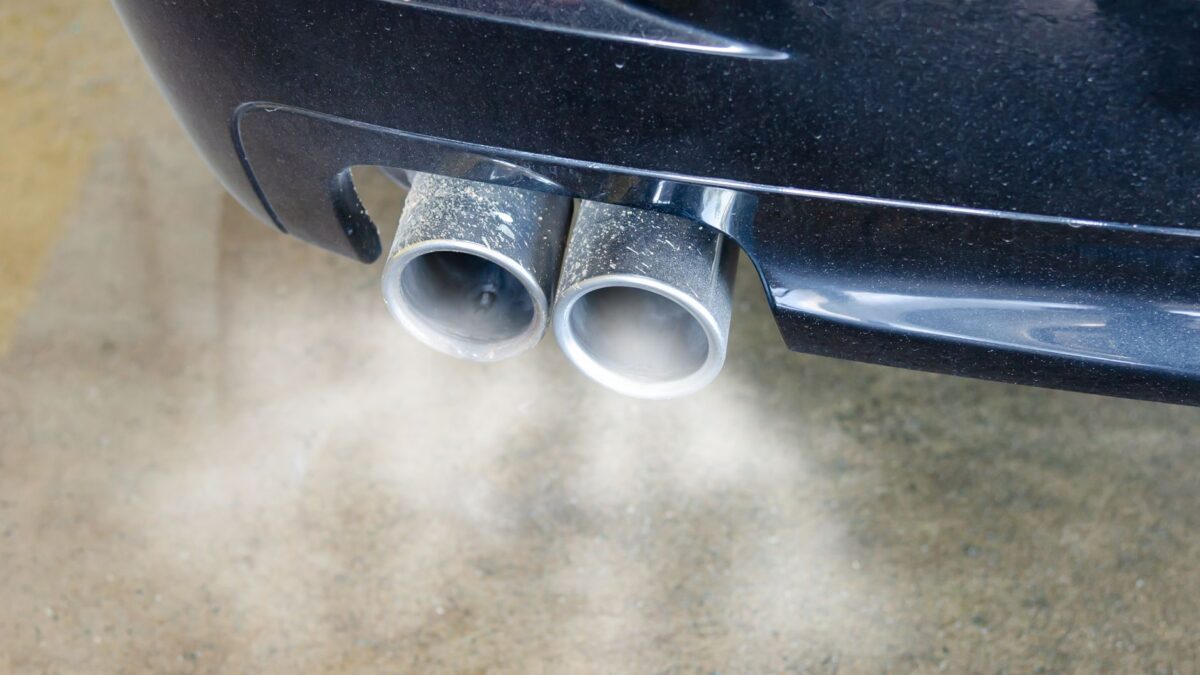
A stolen catalytic converter is covered by the comprehensive part of an auto policy, which pays for the replacement minus your deductible; liability-only coverage pays nothing. The federal emissions warranty of 8 years or 80,000 miles on the converter covers defects, not theft, so it will not pay for a replacement after someone saws yours off.
You usually notice the theft the moment you start the car: the engine sounds like a roaring motorcycle, and the check engine light comes on soon after.
Why are catalytic converters stolen?
Converters contain small amounts of platinum, palladium and rhodium, precious metals that clean exhaust gases and sell for high prices. A thief with a battery-powered saw can cut one from the exhaust pipe in a few minutes and sell it to a scrap buyer.
Thefts rose sharply from 2020 and peaked in 2022, when NICB insurance claim data showed more than 60,000 converter theft claims. Claims fell steeply in 2023 and 2024 as metal prices dropped, police ran sting operations and states tightened rules for scrap sales. Local reports show thefts still happen, and a rise in metal prices can bring them back.
Which vehicles are targeted most?
Thieves favor vehicles that are easy to get under and converters that hold more metal.
- Trucks and SUVs with high ground clearance, where no jack is needed.
- Hybrids, whose converters often contain more precious metal and corrode less because the engine runs less.
- Fleet and commercial vehicles parked in rows overnight, such as delivery vans and box trucks.
- Cars parked in the same unlit spot every night, in driveways, apartment lots or on the street.
Battery electric vehicles have no exhaust system and no catalytic converter, so they are not targets for this theft.
Does insurance cover a stolen catalytic converter?
Yes, if you carry comprehensive coverage. Theft of a part is a comprehensive claim, just like theft of the whole car, and the insurer pays the repair cost for the converter, pipes, oxygen sensors and any wiring cut during the theft, minus your deductible.
Whether the claim is worth filing depends on your deductible. Get a written estimate from a shop first. Replacement costs vary widely by model and by whether the shop fits an original or an aftermarket part, and hybrids and large trucks tend to sit at the high end. Repair costs like these are part of the story behind rising premiums, covered in our explainer on why car insurance went up.
- File a police report and get the report number.
- Photograph the cut pipes under the car.
- Call your insurer and open a comprehensive claim.
- Have the car towed if the shop or insurer advises it, rather than driving it far.
- Keep receipts for towing and any rental, since some policies reimburse them.
Does the emissions warranty cover a stolen converter?
No. Under federal rules in 40 CFR 85.2103, the catalytic converter is a specified major emission control component with a warranty of 8 years or 80,000 miles. That warranty covers defects in materials and workmanship and emissions test failures caused by a defect, not damage from theft, crashes or tampering.
The replacement part has its own parts warranty from the automaker or the seller, so ask for it in writing. Our guide to what the check engine light means explains how the federal emissions warranty works for a converter that fails on its own.
Can I drive without a catalytic converter?
Only as far as the repair shop, and carefully. The car will be very loud, the check engine light will come on and exhaust can leak near the cabin, so keep windows cracked and do not idle in a closed space.
Driving long term without one is not an option. Removing or disabling emissions equipment is prohibited under the federal Clean Air Act, and a car without a converter will fail an emissions test in states that require one. Our list of state car inspection requirements shows where testing applies. In California and other states that follow its rules, a replacement converter generally has to be a CARB-approved part, so check before buying a cheap one online.
What laws target converter theft?
Most of the action is in state law, aimed at scrap buyers rather than drivers. Dozens of states passed laws since 2021 that, in different combinations:
- limit who may sell a used converter to a scrap buyer, often to repair shops, dismantlers and the vehicle owner;
- require buyers to record the seller’s ID and the vehicle’s VIN or title for each converter;
- require payment by check or traceable method instead of cash, sometimes after a waiting period;
- raise penalties for theft and for possessing converters cut from a car without proof of ownership.
Rules differ by state, so check your state attorney general or legislature site for the current law.
How can I protect my car?
Make the converter harder to take and harder to sell.
- Park in a garage, or in a well-lit spot close to a building entrance or camera.
- Ask about a converter shield or cage, which bolts on and slows thieves down; check that it is approved for your model so it does not trap heat.
- Etch the VIN or plate number on the converter. Some police departments and auto shops run free etching events, and marked converters are harder to sell to legitimate buyers.
- Set the car alarm’s tilt or motion sensor if it has one.
Bottom line
Comprehensive insurance is what pays for converter theft, and the 8-year federal emissions warranty does not. Report the theft to police and your insurer, get the car to a shop without long drives, and consider etching and a shield if your vehicle is a common target.
FAQ
How do I know if my catalytic converter was stolen?
A sudden, very loud exhaust sound when you start the car is the main sign. You may also smell exhaust, notice rough running, and see the check engine light. Look under the car for a gap with cut pipe ends.
Will my insurance rates go up after a converter theft claim?
Comprehensive claims are generally not-at-fault, but insurers may still consider claim history when renewing. Rules on surcharges vary by state.
Can I report a converter theft to NICB?
Report it to local police first, since they handle the criminal case. The police report and your insurance claim feed the data NICB uses to track theft trends.
Are aftermarket catalytic converters legal?
Yes, if they are certified for your vehicle and your state. Federal EPA rules allow certain aftermarket converters, while California and states following its rules require CARB-approved parts.