Check Engine Light Meaning: Steady vs Flashing and What to Do
The check engine light is the car's emissions computer asking for attention. How to read the code, which causes are common, and when the federal emissions warranty pays.
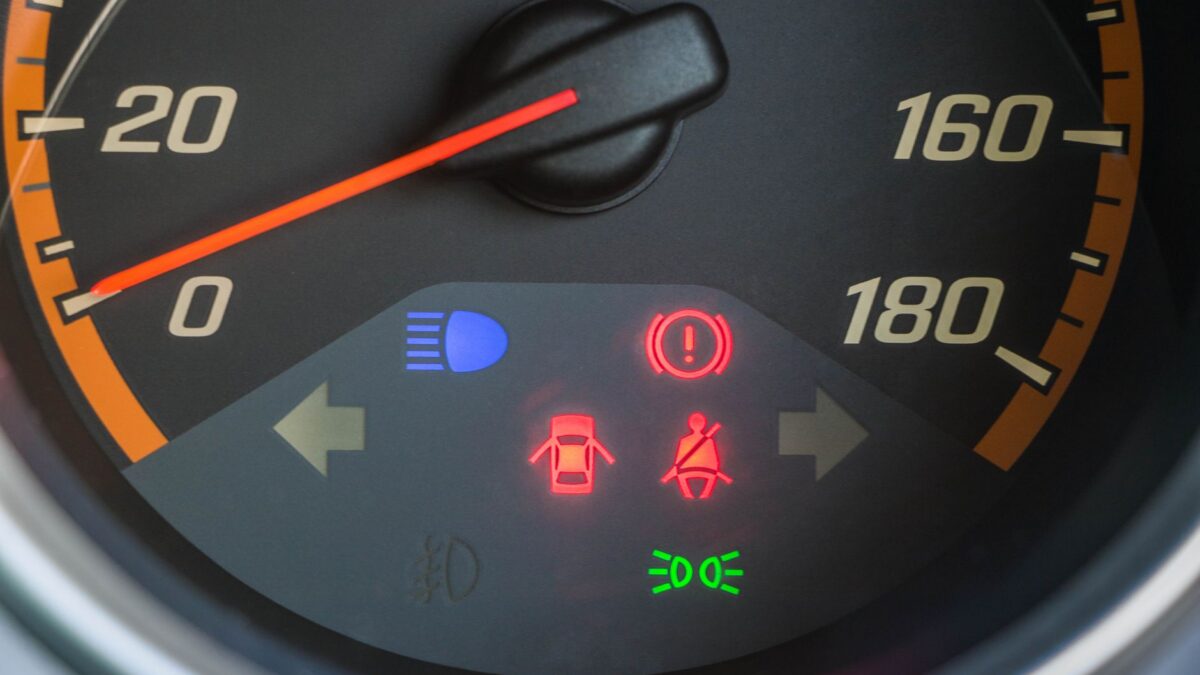
A steady check engine light means the car’s onboard computer has found a fault, often in the emissions system, that should be checked within days. A flashing check engine light means a serious engine misfire that can overheat and ruin the catalytic converter, so reduce speed, avoid heavy acceleration and get the car to a shop as soon as you safely can.
The light alone does not say what is wrong. The diagnostic trouble code stored in the computer does, and reading it is often free.
What does a steady check engine light mean?
A steady light means the onboard diagnostics system (OBD-II) has detected a problem that can raise emissions or affect how the engine runs, and has stored a trouble code. The car is usually safe to drive for a short time if it runs normally.
Watch for other signs. If the light comes on with a red warning for oil pressure or temperature, a loss of power, smoke or strange noises, stop in a safe place and call for help instead of driving on.
Many causes are minor, but a steady light also hides new problems: while it is on, a second fault will not turn on a new light. Get the code read so you know what you are dealing with.
What does a flashing check engine light mean?
A flashing light means the computer has detected a misfire bad enough to damage the catalytic converter. Unburned fuel from the misfiring cylinder goes into the exhaust and can make the converter overheat.
- Ease off the accelerator and avoid towing, hills and highway speeds if you can.
- If the engine shakes badly, loses power or you smell fuel, pull over safely and turn it off.
- Have the car towed or driven a short distance to a shop.
- Ask the shop to fix the cause of the misfire before the converter is damaged; a converter replacement costs far more than a spark plug or coil.
How do OBD-II trouble codes work?
Cars and light trucks sold in the US since the 1996 model year use the OBD-II system, which stores a five-character diagnostic trouble code when it finds a fault. Every OBD-II car has a standard 16-pin port, usually under the dashboard on the driver’s side.
| Character | What it tells you | Example |
|---|---|---|
| First letter | System: P powertrain, B body, C chassis, U network | P |
| Second character | 0 = generic code shared by all makes; 1 = manufacturer-specific | 0 |
| Third character | Subsystem, such as fuel and air metering, ignition or emissions controls | 3 (ignition and misfire) |
| Last two characters | The specific fault | 01 (cylinder 1) |
So P0301 means a misfire detected in cylinder 1. The code points to where the computer saw the problem, not always the part that failed, which is why a mechanic tests before replacing parts.
Where can I get the code read?
You have three common options:
- An auto parts store. Many national chains read codes for free in the parking lot.
- Your own scan tool. Basic OBD-II readers and Bluetooth dongles that work with a phone app are sold at parts stores. They show the code and its general meaning, and many can clear it.
- A repair shop or dealer. A full diagnosis costs money, but the shop can test the actual part and check for technical service bulletins.
Clearing a code turns the light off but does not fix the problem. The light will return if the fault comes back, and clearing codes right before an emissions test usually causes a “not ready” result, because the car’s self-tests have to run again.
What are the most common causes?
Common causes run from cheap to expensive:
- Loose or worn gas cap, which sets an evaporative emissions leak code. Tighten it until it clicks and drive a few days.
- Oxygen sensors, which measure oxygen in the exhaust.
- Spark plugs or ignition coils, the usual source of misfire codes.
- Mass airflow sensor problems, sometimes from dirt or a leaky intake.
- Catalytic converter efficiency codes, which can follow years of misfires or oil burning, or theft of the converter itself; see our guide to catalytic converter theft.
- EGR valve and vacuum leaks on some engines.
Before paying for a diagnosis, search your car’s year, make and model for technical service bulletins. Automakers often publish known fixes for codes that show up across a model.
Does the federal emissions warranty pay for the repair?
It can. Federal rules in 40 CFR 85.2103 give two layers of emissions coverage on new cars and light trucks:
| Coverage | Term | What it includes |
|---|---|---|
| Emissions defect and performance warranty | 2 years or 24,000 miles | Emissions-related parts that fail from a defect, or cause an emissions test failure |
| Specified major emission control components | 8 years or 80,000 miles | Catalytic converter and SCR catalyst, emission control module (engine computer), particulate filters on some engines |
The warranty runs from the car’s original in-service date and stays with the car when it is sold. California and states that follow its rules require longer coverage on some expensive emissions parts, which is listed in the warranty booklet.
A dealer cannot deny emissions warranty coverage just because you had the oil changed at an independent shop or used aftermarket parts; it has to show that the part or service caused the failure. Our explainer on what voids a car warranty covers those rules.
Will the car pass inspection with the light on?
Usually not. In states with OBD-based emissions testing, an illuminated check engine light is generally an automatic failure, and so is a car whose readiness monitors have not finished running. Our list of state car inspection requirements shows which states test.
Bottom line
Treat a steady check engine light as a problem to check within days and a flashing one as a reason to slow down and get to a shop now. Read the code first, look for service bulletins, and ask about the 8-year emissions warranty before paying for a catalytic converter or engine computer.
FAQ
Can a loose gas cap really turn on the check engine light?
Yes. A cap that does not seal can trigger an evaporative leak code. Tighten or replace the cap; the light may take several drives to go out on its own.
Is it safe to drive with the check engine light on?
With a steady light and a car that runs normally, short trips to a shop are usually fine. With a flashing light, power loss or other warning lights, stop driving and get help.
Does disconnecting the battery fix the check engine light?
It may turn the light off for a while, but the fault remains and the light returns. It also resets readiness monitors, so the car can fail an emissions test until they finish.
How much does a check engine diagnosis cost?
Code reading is free at many parts stores. A shop diagnosis is charged by the shop, often as a flat fee or labor time, so ask for the price before you approve it.