What to Do After a Car Accident, Step by Step
The first hour after a crash decides how smoothly the claim goes. A short checklist and the right state deadline keep you out of trouble later.
After a car accident, stop at the scene, check everyone for injuries and call 911 if anyone is hurt or the road is blocked. Then exchange names, insurance and vehicle details with the other driver, take photos, and notify your insurer. Many states also require a written report to the DMV within a set deadline, such as 10 days in California and New York when damage exceeds $1,000.
Rules differ by state, so check your state DMV page for the reporting threshold and deadline that apply to you.
What should I do in the first few minutes?
Stop, make the scene safe and get help for anyone injured. Leaving the scene of a crash without stopping and exchanging information is a crime in every state.
- Stop as close to the scene as is safe. Turn on hazard lights.
- Check yourself and passengers for injuries. Call 911 for any injury, even a minor one, or if a vehicle is blocking traffic or leaking fluid.
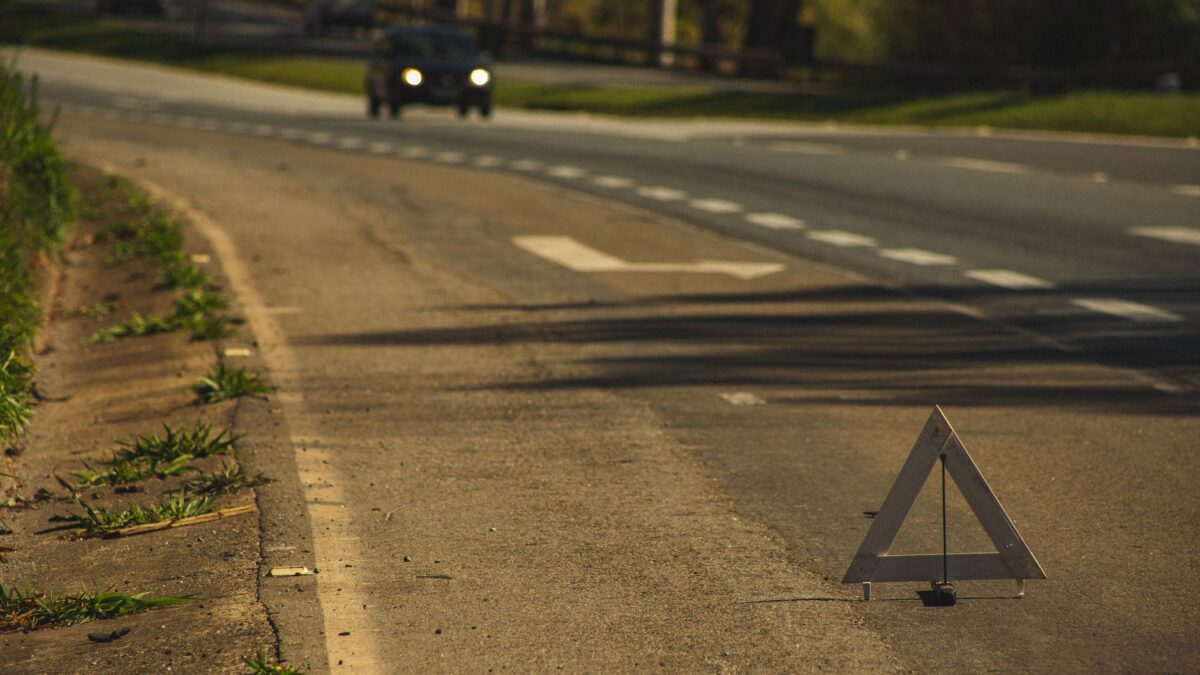
- If the cars can move and no one is hurt, many states expect you to move them out of traffic lanes. Use flares or warning triangles if you have them.
- Do not move an injured person unless there is an immediate danger such as fire.
- Stay calm with the other driver. Stick to facts and do not argue about who caused the crash.
Do I have to call the police?
Call the police for any crash with injuries or death, and when state or local law requires it for damage above a set amount. Thresholds and rules vary by state and sometimes by city.
Even when a police report is not required, one can help an insurance claim, especially if the other driver disputes fault, has no insurance or leaves. If an officer comes, ask for the report number and how to get a copy.
What information should I exchange with the other driver?
Exchange enough to identify the driver, the owner, the vehicle and the insurer. New York’s DMV, for example, reminds drivers that they must exchange license, registration and insurance information even in property-damage-only crashes.
| Collect | Why |
|---|---|
| Driver’s full name, phone and address | Your insurer needs to contact them |
| Driver’s license number and state | Confirms identity |
| Insurance company and policy number | Starts the claim against their coverage |
| Vehicle make, model, color and plate | Identifies the car |
| Owner’s name if different from the driver | The owner’s policy may apply |
| Witness names and phone numbers | Independent accounts help settle disputes |
Photograph the other driver’s license and insurance card if they agree. Do not hand over your card to be kept, and do not sign anything from the other driver.
What photos and notes should I take?
Take wide and close photos of both vehicles, the road and anything that explains how the crash happened, before the cars are moved if it is safe.
- Damage to every vehicle, from several angles, with plates visible.
- Skid marks, debris, traffic signals, signs and road conditions.
- Visible injuries, with permission.
- The time, location and weather, noted on your phone.
Write down what happened while you remember it. If you have a dash camera, save the clip right away so it does not get overwritten.
Do I need to report the crash to the DMV?
In many states, yes, separately from any police report. Missing the deadline can lead to a license suspension.
| State | When a report is required | Deadline |
|---|---|---|
| California (form SR-1) | Anyone injured or killed, or property damage over $1,000, whoever caused it, including on private property | 10 days |
| New York (form MV-104) | Damage over $1,000 to any one person’s property, or any injury or death | 10 days |
Sources: California DMV SR-1 page and New York DMV crash report page, as of November 2026. In New York, the DMV may suspend your driving privilege until the report is on file, and any crash with an injury or death must also be reported to the police immediately. Other states have their own forms, thresholds and deadlines, and some leave the report to the police. Search your state DMV site for “crash report” or “accident report.”
When should I call my insurer, and what should I say?
Notify your insurer as soon as you reasonably can, often the same day. Most policies require prompt notice, and a late report can complicate the claim.
Give facts: time, place, vehicles, damage, injuries and the police report number. Avoid guessing about speed or fault. If the other driver is at fault, you can claim against their insurer, but your own collision coverage may pay faster, with your insurer seeking repayment from theirs. If your car is a total loss and you owe more than it is worth, GAP insurance may cover the difference. An at-fault claim can affect your premium at renewal, a topic our guide to why car insurance goes up covers.
When should I contact an attorney?
Consider a licensed attorney when someone is seriously hurt, fault is disputed, the other driver is uninsured, or an insurer denies or delays a claim. Many personal injury lawyers offer a free first consultation.
Get medical care for any symptom, even days later, and keep every bill and record. Deadlines to sue (statutes of limitations) and fault rules vary by state, so get advice for your state before you sign a release or accept a settlement. If you think a vehicle defect caused or worsened the crash, such as an airbag that did not deploy, you can also report the safety problem to NHTSA.
Bottom line
Stop, get help for injuries, exchange details, photograph everything and call your insurer the same day. Then check your state’s DMV reporting rule: in California and New York, damage over $1,000 means a report within 10 days. For serious injuries or a disputed claim, talk to a licensed attorney in your state.
FAQ
Should I admit fault at the scene?
Stick to facts and leave fault to the police and insurers. A polite “are you OK?” is fine, but avoid statements about who caused the crash.
What if the other driver has no insurance?
Get their details and a police report, then tell your insurer. Uninsured motorist coverage, if you have it, may pay for injuries and in some states for vehicle damage.
What if I hit a parked car?
Stop and try to find the owner. If you cannot, leave a note with your name and contact details where it will be seen, and report it to the police as your state requires.
Do I report a minor crash with no damage?
If no one is hurt and damage is below your state’s threshold, a DMV report may not be required. Exchange information anyway, since damage can turn out to be costlier than it looks.