GM Recalls 67,380 EVs Over Brake Software That Can Cut Braking
GM is recalling 67,380 Lyriq, Celestiq, Vistiq and Blazer EV models over brake software. What owners should know, and how the NHTSA brake probe has grown.
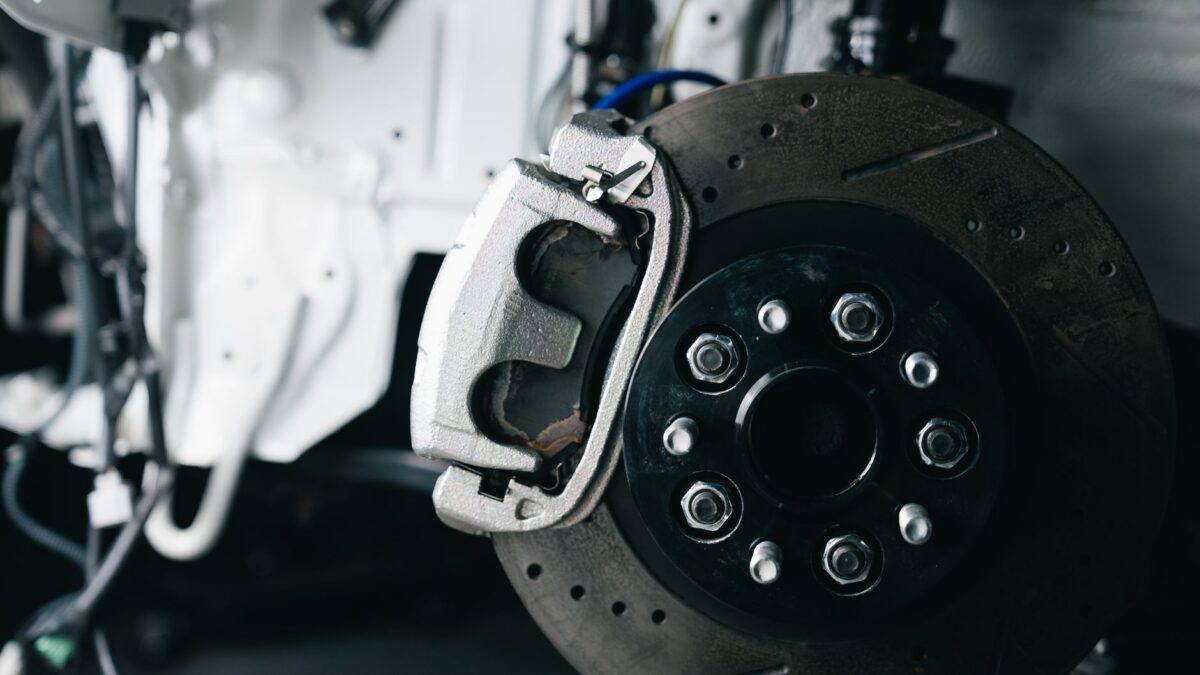
General Motors told federal safety regulators on Oct. 29 that faulty software in the brake system control module can cause a loss of braking in 67,380 electric vehicles. For owners of the Cadillac Lyriq, it is the second brake control software recall in a little over two years, according to a report published by Yahoo.
The recall, NHTSA campaign 26V717 (GM’s internal number N262570900), arrives while a federal investigation into GM’s electronic brake module has grown to cover an estimated 1,164,820 vehicles.
Which EVs are in recall 26V717
The campaign covers the Cadillac Lyriq from model years 2023 through 2027, the Cadillac Celestiq from 2025 and 2026, the Cadillac Vistiq from 2026 and 2027, and the Chevrolet Blazer EV from 2024 through 2027. NHTSA’s record identifies the part as the module that runs antilock braking, traction control and electronic limited slip control, and it states that losing braking raises the risk of a crash.
KARE 11, citing the recall notice, reported that the problem shows up at low speeds and can let the vehicle roll forward. The station said GM is aware of 20 incidents, two of which involved minor injuries. Yahoo noted it could not confirm those figures against GM’s full defect report.
How the fix works and when letters go out
GM will update the software at no charge, either over the air or at a dealer. Letters to owners are expected Dec. 14, 2026. The affected VINs have been searchable on NHTSA’s recall page since Oct. 29. Owners can check a VIN at nhtsa.gov/recalls, and the repair is free at a franchised dealer. Cadillac owners can also call 1-800-333-4223, and Chevrolet owners can call 1-800-222-1020.
The Lyriq’s earlier brake recall and the NHTSA probe
NHTSA opened preliminary evaluation PE24011 on April 11, 2024, looking at the electronic brake module in 3,322 Lyriqs from the 2023 model year. GM told the agency that a spindle inside the module can break during an ABS event. When that happens, drivers lose brake assist, the car limits its speed and part of the ABS function stops working. Owners reported a hard brake pedal and then a brake system failure message. GM pushed out an over-the-air update that cycles the brake booster each time the car is started and turns on a warning light if the spindle has broken. That update was not filed as a recall.
On Aug. 8, 2024, GM did file recall 24V-589 for 21,469 all-wheel-drive Lyriqs from 2023 and 2024. GM said that on dry pavement below 25 mph the ABS could switch on by mistake and, after certain wheel movements, keep releasing brake pressure. GM traced it to software in the electronic brake control module, estimated that 1 percent of the vehicles had the defect and said it knew of two minor accidents.
On Aug. 21, 2026, NHTSA upgraded the probe to engineering analysis EA26006. It now names 2023 to 2026 GM models including the Lyriq, Blazer EV, Celestiq, Equinox EV, Traverse, Colorado, Canyon, Acadia, Enclave, Envision and Optiq, and lists Honda as an affected manufacturer. The agency counts 745 field reports, 22 crashes or fires, five incidents with injuries, six injuries and no deaths.
Why it matters for owners
The investigation centers on a hardware failure, the cracked spindle, while both recalls fix software. Nothing in the public record connects them to one cause, though all three involve the same brake module. The record for 26V717 says only that braking can be lost in certain conditions, so it is not yet known whether the new defect works like the 2024 one.
The label on a fix affects who pays. Under 49 U.S.C. 30120, automakers must repair recalled vehicles sold within the past 15 years for free, and a recall puts VINs in NHTSA’s database and requires owner letters. The 2024 spindle update came without any of that. A warranty repair stops being free when the warranty runs out, while a recall remedy stays free.
What happens next
GM’s root cause explanation in its defect filing for 26V717 will show whether the fault matches the 2024 software problem. The Vistiq is in the new recall but is not named in the investigation. The outcome of EA26006 will determine whether the spindle issue gets its own recall or stays an over-the-air update.
Source: YAHOO!