Best Time to Buy a Car: Month-End, Model-Year and Holiday Deals
Dealers and automakers chase monthly and yearly targets, and that schedule shapes when the best offers appear. Inventory matters even more than the calendar.
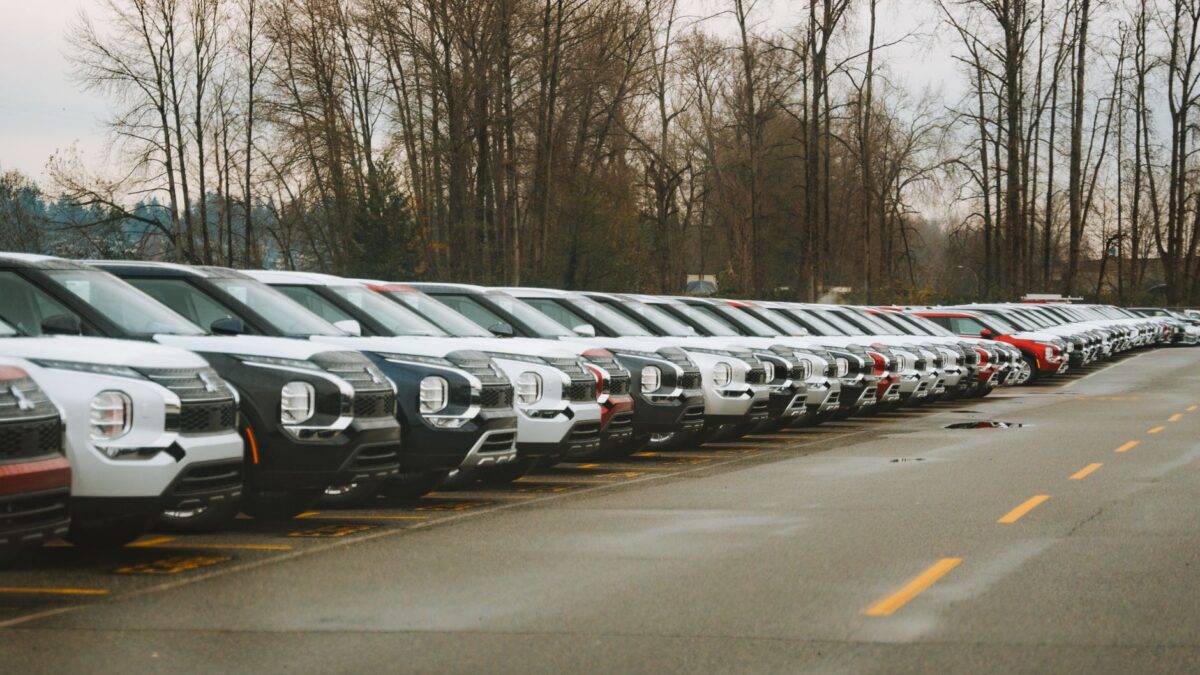
The best time to buy a new car is usually at the end of a month, quarter or year, during model-year changeover in late summer and fall, and whenever the model you want has plenty of unsold inventory. Those are the points when dealers chase sales targets and automakers add incentives. As of mid-2026, incentives averaged about 6% to 7% of the transaction price, according to Kelley Blue Book.
The calendar helps, but supply matters more. A popular model in short supply may see no discount in December, while a slow seller can carry big offers in any month.
Why does the end of the month or year matter?
Dealers often earn automaker bonuses for hitting monthly, quarterly and annual sales targets, and a single extra sale can unlock a payment worth more than the profit on that car. Salespeople have their own monthly quotas as well.
That pressure is strongest in the last few days of a month, and in March, June, September and December when quarters close. December adds year-end targets and holiday sales events. None of this guarantees a discount, but it improves your odds of a dealer accepting a lower offer to close a deal.
When do new model years arrive, and why does that help?
New model years often arrive from late summer through fall, and dealers then want to clear the outgoing year’s cars. Automakers frequently add cash or financing incentives on the older model year to move it.
A carry-over model with few changes can be a good buy in this window. The trade-off is that the older model year may be worth a little less at resale. Our guide to how car model years work explains build dates and why they matter.
What does days’ supply tell me?
Days’ supply is how many days the current inventory of a model would last at the recent sales pace. A high days’ supply means a dealer has more cars than buyers, which usually brings bigger discounts and incentives; a low number means little room to negotiate.
- Count how many of the trim you want are in stock at nearby dealers, and how long they have been listed.
- Look for the same car advertised at several dealers. Wide availability is a sign of leverage.
- Check whether the automaker is offering cash rebates or low-APR financing on that model this month. Automakers put incentives where inventory is high.
- Be wary of models with add-on markups; our article on dealer market adjustments explains your options.
How big are discounts right now?
Discounts were modest in 2026 compared with the years before the pandemic. Kelley Blue Book reported that incentives averaged 6.4% of the average transaction price in July 2026, down from 7.3% a year earlier, with the average new-vehicle transaction price at $49,855. KBB reported in September that the average price had moved back above $50,000 in August. Its monthly reports are on the Kelley Blue Book media center.
EVs had larger incentives, at 11.8% of the transaction price in July 2026 per KBB, partly because the federal EV tax credit ended for vehicles acquired after September 30, 2025. Tariffs on imported vehicles and parts have also pushed some prices up; see how tariffs affect car prices.
Are holiday sales events worth waiting for?
Holiday weekends such as Presidents Day, Memorial Day, the Fourth of July, Labor Day and Black Friday bring advertised sales events, but the offers are often similar to what is available the rest of that month. They line up well when they fall near a month or quarter end, as Labor Day does with model-year clearance.
Read the fine print. Advertised prices may require financing with the automaker’s lender, a trade-in or specific loyalty or military eligibility.
What is the best day and time to visit?
Weekdays are usually quieter than weekends, so you get more of a salesperson’s time and a faster finance office. Doing most of the work by email or phone, before you visit, lets you compare written offers from several dealers on the same day.
- Pick two or three trims and look up current automaker incentives.
- Ask several dealers for a written out-the-door price on in-stock cars.
- Arrange financing first so you can judge the dealer’s rate offer.
- Schedule the purchase for the last days of the month if timing is flexible.
Bottom line
Time the purchase for month or quarter end or model-year clearance if you can, but let inventory and written offers decide. A well-stocked model with an automaker incentive, bought with your own financing and a written out-the-door price, beats waiting for a specific date. Our guide to MSRP vs invoice price helps judge how good an offer is.
FAQ
Is December the best month to buy a car?
December combines month, quarter and year-end targets with holiday sales, so it is often a good month. It depends on inventory for the model you want.
When is the best time to buy a used car?
Used-car prices depend on supply, trade-ins and wholesale auction prices more than the calendar. Dealer month-end targets still apply, and lease returns can add supply.
Should I buy the outgoing or the new model year?
The outgoing year often has bigger discounts, while the new year may have updated features and slightly better resale value. Compare the full out-the-door prices of both.
Do dealers really offer better deals at month end?
Often, because volume bonuses depend on monthly sales. There is no guarantee, so get competing written quotes.