EV Registration Fees by State: Extra Charges for EVs and Hybrids
Electric car owners pay no gas tax, so most states bill them at registration instead. The amounts, which vehicles pay and where a federal fee stands.
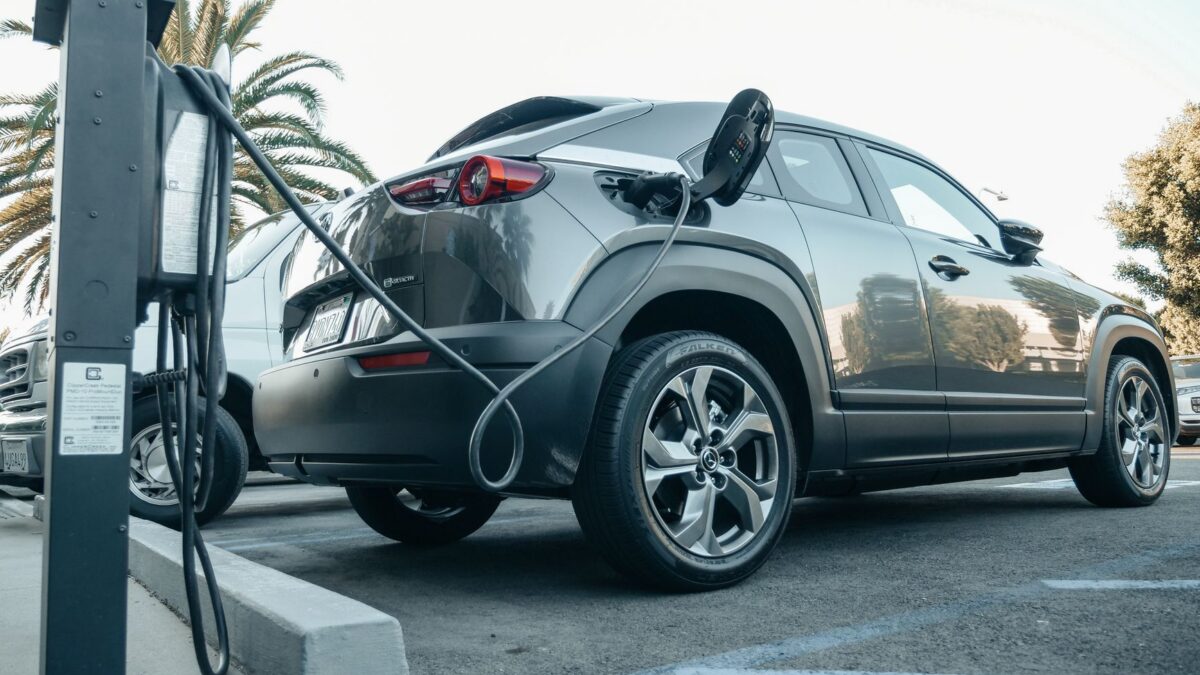
Most US states charge electric vehicle owners an extra annual registration fee, typically $50 to $250 on top of the regular registration, to replace the gas tax EV drivers do not pay. About 39 states had such a fee for battery EVs in the National Conference of State Legislatures’ tracking, and many charge plug-in hybrids or regular hybrids a smaller amount.
The fee is paid with your registration each year, or every two years in states with biennial renewal. Several states raise it automatically with inflation, so last year’s number may already be out of date.
Why do states charge EVs an extra fee?
States fund roads largely through fuel taxes collected per gallon. An EV buys no gasoline, and a hybrid buys less, so the surcharge is meant to collect a rough equivalent of the fuel tax an average car would pay.
Whether the amounts are fair is debated. Critics say some fees are higher than the gas tax a typical gas car pays, while state transportation departments point to falling fuel tax revenue as cars get more efficient. Utah and a few others also offer a road usage charge per mile as an alternative.
How much is the EV fee in each state?
The table covers states with a dedicated EV or hybrid fee. It is based on the Kansas Legislative Research Department’s January 2025 summary of state fees, which draws on NCSL data, updated where we could confirm a newer official figure (Georgia, Pennsylvania and New Jersey). Amounts are annual and in addition to the regular registration fee unless noted.
| State | Battery EV fee | Hybrid or plug-in hybrid fee |
|---|---|---|
| Alabama | $200 | $100 plug-in hybrid |
| Arkansas | $200 | $50 hybrid, $100 plug-in hybrid |
| California | $100 (road improvement fee) | None |
| Colorado | About $57, adjusted yearly, plus a road usage fee | Similar, smaller amounts |
| Georgia | $238.59 (July 2026 to June 2027, indexed) | Only plug-in hybrids that choose an alternative fuel plate |
| Idaho | $140 | $75 plug-in hybrid |
| Illinois | $100 | None |
| Indiana | About $230, adjusted yearly | About $77, adjusted yearly |
| Iowa | $130 | $65 plug-in hybrid |
| Kentucky | $120, adjusted yearly | $120 (from 2025) |
| Maryland | $125 | $100 |
| Michigan | $100 ($200 over 8,000 lbs) | $30 |
| Minnesota | $75 | None |
| Missouri | $90 | $60 |
| New Jersey | $250 at launch in 2024, rising $10 a year through fiscal 2029 | None |
| North Carolina | $180 | $90 plug-in hybrid |
| Ohio | $200 | $100 hybrid, $150 plug-in hybrid |
| Oklahoma | $210 (up to 6,000 lbs) | $112 |
| Pennsylvania | $250 in 2026 | $62.50 plug-in hybrid in 2026 |
| South Carolina | $120 every two years | $60 every two years |
| Tennessee | $200 | $100 |
| Texas | $200 at renewal; $400 at first registration | None |
| Utah | About $130, or a per-mile road usage charge | Smaller fees for hybrids and plug-ins |
| Virginia | About $128 highway use fee | Highway use fee by formula |
| Washington | $180 | $75 |
| West Virginia | $200 | $100 |
| Wisconsin | $175 | $75 |
| Wyoming | $200 | None |
Other states with fees in the January 2025 summary include Hawaii, Kansas, Louisiana, Mississippi, Montana, Nebraska, New Hampshire, North Dakota, Oregon, South Dakota and Vermont, generally between $50 and $150 for an EV. Amounts change through new laws and inflation indexing, so confirm on your state DMV fee page before you renew. Our vehicle registration fees by state guide links each DMV.
Which states have no extra EV fee?
As of the January 2025 summary, states without a dedicated EV fee included Arizona, Connecticut, Delaware, Florida, Maine, Massachusetts, Nevada, New Mexico, New York and Rhode Island, plus the District of Columbia. Legislatures in several of these states have debated new fees, so a recent law may have changed the picture.
No fee does not mean cheap registration. Some states without an EV surcharge base registration on value or weight, and heavy battery packs can push an EV into a higher weight class.
Do hybrids and plug-in hybrids pay too?
In many states, yes, but less. Plug-in hybrids still burn some gasoline, so states that charge them typically set the fee at about half the EV rate, for example $100 versus $200 in Alabama, Tennessee and West Virginia.
Fewer states charge regular hybrids that cannot plug in. Arkansas, Ohio and Washington are among those that do. Our comparison of hybrids, plug-in hybrids and EVs shows how fuel and charging costs compare across the three.
Is there a federal EV registration fee?
Not as of November 2026. A House highway bill, the BUILD America 250 Act, would create a $130 annual federal fee on EVs and $35 on plug-in hybrids, rising by $5 every two years from 2029 to caps of $150 and $50. It cleared the House Transportation and Infrastructure Committee 61 to 2 on May 22, 2026.
As of the latest reporting we could confirm, the bill had not passed the full House and had no Senate companion, and current highway programs were set to expire on September 30, 2026 unless extended. Check congress.gov for the bill’s status before assuming a federal fee applies to you.
How does the fee compare with what a gas car pays?
It depends on the state’s gas tax and how far you drive. A gas car pays state fuel tax on every gallon, so a driver covering 12,000 miles a year at 30 mpg buys about 400 gallons. Multiply that by your state’s per-gallon tax to see the gas car’s annual road tax, then compare it with your state’s EV fee.
Even with a fee of $200 or more, many EV owners still spend less on energy than they would on gasoline. Our breakdown of the cost to charge an EV shows home and public charging costs per 100 miles.
Bottom line
Plan on an extra $100 to $250 a year to register an EV in most states, less for a plug-in hybrid, and nothing extra in a shrinking group of states. Several fees rise every year, and Congress is weighing a federal fee, so check your DMV’s current amount at each renewal.
FAQ
Is the EV fee charged every year?
Yes, in most states it is added to each annual registration renewal. In states with two-year registration, such as South Carolina, the fee is billed for both years at once.
Do I pay the EV fee if I lease?
The fee is attached to the registration, so it applies to leased EVs too. The leasing company usually pays it and passes the cost to you in the monthly payment or a separate bill.
Does an EV pay the fee when it moves to a new state?
Yes. When you register the car in the new state, you pay that state’s EV fee if it has one. See our guide to registering a car after moving for deadlines.
Is the EV fee tax deductible?
Generally only the part of a registration fee based on the vehicle’s value can be deducted as personal property tax if you itemize. A flat EV surcharge does not qualify; ask a tax professional about your state’s fees.