Ram 1500 Owner Says Knock-Sensor Fault Led to 45 Days in the Shop
A 2025 Ram 1500 Big Horn owner says a knock-sensor fault became 45 days of repairs and a cab-off harness job. What he reports and how escalation works.
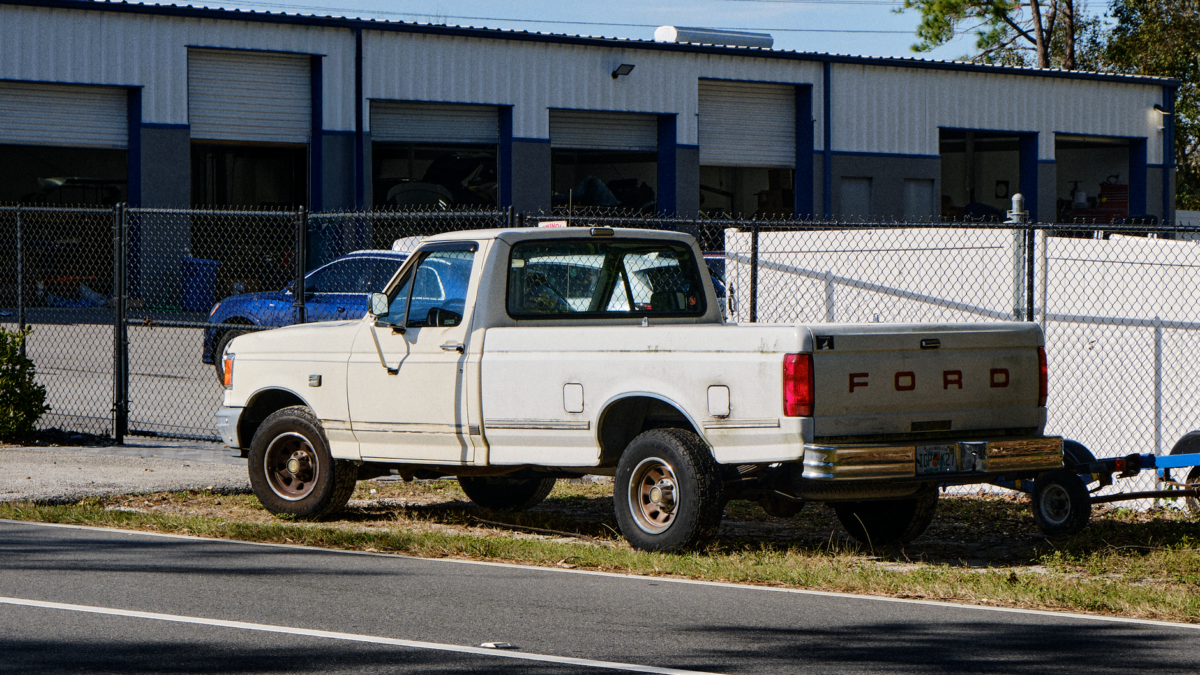
A 2025 Ram 1500 Big Horn went to a dealer with a yellow check-engine light and a knock-sensor fault and was still unfixed 45 days later, according to its owner. He says the dealer removed the cab to replace the full wiring harness and the truck now has a wider electrical failure.
Owner Dustin Wilson described the case in the Hurricane 3.0 TT Rams Facebook group, Torque News reported. The truck has 32,000 miles, and he bought it in April 2025. The repair records have not been independently reviewed, so the account below is his.
Parts swapped, problem still there
Wilson says his truck has the Level 2 equipment package. He told the group the original fault survived more than three weeks of work and that he refused to sign off on the work orders until it was fixed. In his words, the truck “went in for knock sensor fault, now it’s a complete electrical failure.”
By his count the dealer installed four PCMs, one ECM, two knock sensors and two wiring harnesses. The PCM and ECM are engine and powertrain control computers, and a knock sensor detects abnormal combustion in the cylinders. Torque News said it had not checked those part names or quantities against repair orders.
Wilson estimates the dealer called him in about 12 to 15 times saying the truck was ready, and each time it was not. That figure counts pickup calls, not documented repair attempts. After another dealership in the same group pulled the work order for him, he read the service notes and concluded the shop was trying parts without understanding the fault. That is his reading of the records.
The loaner pickup went back
Wilson says he asked for a pickup as a loaner because he was building a deck. The dealer gave him one, then asked for it back because it planned to sell it, and moved him into an older Jeep Renegade. He did not say whether the switch cost him money or held up the project.
The dealer also sent him photos of the cab removed for the harness job, he says. Torque News ran one photo through Google’s SynthID detector, which did not detect a watermark. The outlet noted that result does not prove the image is genuine, and it did not test the other two photos. Wilson’s account also does not show that the Hurricane engine itself failed. He has not named the dealership or his state.
What it means for owners stuck in long repairs
Wilson’s post puts no dollar figure on the repairs, rental costs or lost income. What he describes losing is time: weeks of waiting and repeated promises that the truck was done.
He says two escalations to Stellantis, which he calls “Star Claims,” have produced no progress. He also says he filed a consumer complaint with his state attorney general, and that Stellantis customer care has been passing along the dealer’s updates. No written response from the dealer or Stellantis, and no finding from the attorney general, appears in his post.
Ram’s warranty booklet lays out an escalation path when a service desk can’t resolve a problem: the dealership’s owner or general manager first, then FCA’s Customer Assistance Center, after which a headquarters representative reviews the case, according to Torque News. The Federal Trade Commission’s repair guidance says owners should get a completed repair order listing the work done, parts, charges and odometer readings. In a long case, Torque News noted, the dates and the original complaint matter as much.
The outlet lists four things an owner should be able to match before taking the truck back:
- The complaint written on the first work order.
- The diagnosis and why that repair was chosen.
- The checks used to confirm the repair worked.
- The written coverage decision and any amount the owner must pay.
Readers unsure what a warning light signals can compare a steady and a flashing check engine light. For Wilson, the dispute remains open, with no confirmed final diagnosis, finished repair or agreement on a replacement truck.
Source: Torque News