NHTSA Opens Recall Query Into 2,895 Waymo Self-Driving Vehicles
NHTSA opened a recall query into 2,895 Waymo vehicles over unexpected software decisions. What the probe covers and the pressure from San Francisco.
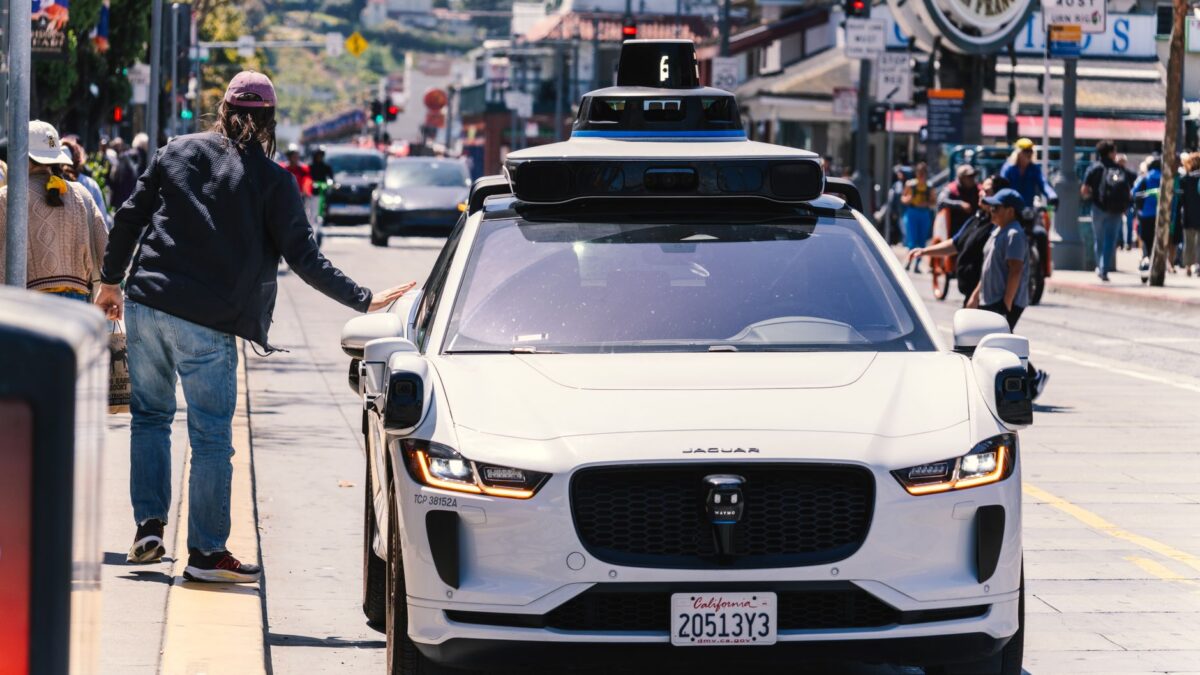
The National Highway Traffic Safety Administration (NHTSA) opened a recall query into Waymo on Nov. 10, 2026, according to The Tech Edvocate. The probe covers 2,895 Waymo vehicles that run the company’s fifth-generation automated driving system.
The trigger is a set of reports describing what NHTSA calls “unexpected software decisions” by the driving system. A recall query is a federal investigation step, and it can end in a recall if regulators find a safety defect. No recall has been announced.
What the reports describe
Waymo is the autonomous driving company owned by Google. Its vehicles carry no human driver, and the fifth-generation system is built to handle dense city traffic, bad weather, cyclists and pedestrians.
According to The Tech Edvocate, the reports describe cases where the software made choices a human driver would not expect. The outlet lists examples of the kind of behavior at issue, such as sudden braking, stopping where a car should not stop, misreading traffic signals and failing to detect objects. It did not say which specific incidents NHTSA is reviewing, how many reports were filed or where they happened.
Waymo’s public response to the query was not disclosed.
Pressure from San Francisco
San Francisco has been the main testing ground for driverless taxis and also the city with the sharpest conflicts over them. Local officials, the fire department and police have complained that autonomous vehicles stopped in the path of emergency vehicles, including fire trucks and ambulances, The Tech Edvocate reported.
New local rules took effect in 2026 that let city authorities issue formal notices to autonomous vehicles for traffic violations. Before that, it was unclear how a car with no driver could be cited for something like blocking an intersection.
There is also a push in Washington for federal legislation on how self-driving cars communicate with first responders. Supporters want standard ways for these vehicles to detect and yield to emergency vehicles and to share live data with incident commanders, replacing city-by-city rules.
Why it matters for drivers sharing the road
Most car owners will never ride in a Waymo, but in cities where the service runs, they drive next to one. A driverless car that brakes hard without warning or stops in a lane can force the drivers around it to swerve or brake, and that is the behavior the reports describe.
The case also feeds a liability question that the law has not settled: when a driverless car causes a crash, it is unclear whether the software developer, the vehicle maker, the sensor supplier or the fleet operator is at fault. Insurers are still working out how to price that risk, according to the outlet.
How Waymo’s system differs from Level 3 cars
Under the Society of Automotive Engineers (SAE) scale, Level 3 means “conditional automation”: the car drives itself in some conditions, but a person must be ready to take over when the system asks. The handoff back to a human who may not have been paying attention is hard to make safe.
Waymo operates at Level 4, where no human is expected to step in within the areas and conditions the system is designed for. That puts the full burden of every driving decision on the software, which is what the recall query is examining.
What happens next
If NHTSA finds a broad problem, the outcome could be a required software update across the Waymo fleet or tighter limits on where and how the vehicles operate, The Tech Edvocate reported. If Waymo shows the incidents were isolated, the query could close without a recall. Readers who want to follow how such a case moves can see how NHTSA investigations move from complaint to recall.
Source: The Tech Edvocate