Musk Targets December for Trials of Owner Cars in Tesla Robotaxi Fleet
Elon Musk says Tesla owners' cars could join Robotaxi trials in December, ahead of Q2 2027 guidance. What is known about hardware, fees and Cybercab rules.
Tesla could begin trials that put customer-owned cars into its Robotaxi ride-hailing network as soon as December, Elon Musk said on X on Nov. 16. He tied the start to whether preparations go well, writing that Tesla “may start trials next month.”
That would come earlier than the company’s own guidance. On Tesla’s Q3 earnings call, VP of AI Ashok Elluswamy said customer vehicles might be able to join the network around Q2 2027, according to Not a Tesla App.
An Uber driver’s question prompted the reply
Musk was answering an Uber driver in Austin who drives a Model Y with Full Self-Driving and wants the car to earn money without him behind the wheel. According to Teslarati, the driver keeps 49-63% of each fare after the rideshare platform takes its share. Musk replied that managing a fleet of cars beats driving a single car yourself.
He did not say which owners or vehicles would qualify, or where the trials would run. Both Teslarati and Not a Tesla App expect Austin, Texas, to go first, since Tesla’s Robotaxi service has operated there the longest and new features usually appear there before other cities.
Which Model Ys might qualify
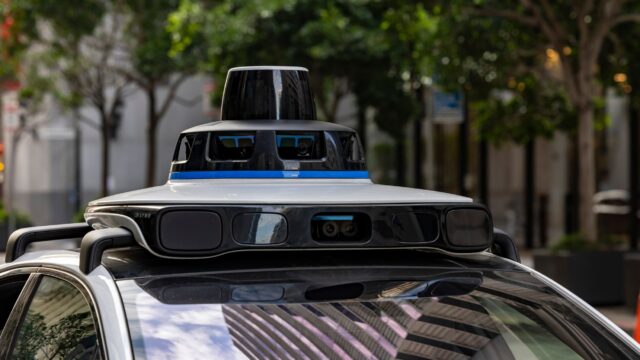
Hardware is one open question. Tesla’s own Robotaxi Model Ys and the Cybercab carry equipment that consumer Model Ys lack, including extra communication units and camera washers, Not a Tesla App reported. Teslarati said differences like these may limit which owner cars are eligible when trials begin. It also listed regulatory approvals, insurance arrangements and software readiness as factors behind Musk’s condition that things go well.
What it means for owners’ costs and earnings
Tesla has not announced how fare revenue would be split with owners or what operating expenses they would carry. Not a Tesla App said Tesla is expected to keep part of the fares that privately owned cars generate.
The subscription cost is also undecided. Owners currently pay $99 a month for FSD. It is not known whether cars added to the network would need the $299 monthly Autonomy Subscription that Tesla requires for the Cybercab, some other plan, or just the existing FSD fee. Musk has since called the $299 subscription too expensive and suggested it could come down, Not a Tesla App reported.
Cybercab buyers face different rules
December is also when Tesla expects the first customer deliveries of the Cybercab, a two-seat car with no steering wheel or pedals. In mid-November, Tesla began inviting select buyers to order it for personal use at $29,990 plus the required $299 monthly Autonomy Subscription, with estimated deliveries in Austin, according to Teslarati.
Those buyers cannot put the car on the Robotaxi network to earn money. Under Tesla’s Cybercab ownership agreement, the vehicles are limited to personal use unless Tesla authorizes commercial operation, Not a Tesla App reported. Teslarati said private Cybercabs can only be used inside existing Robotaxi zones and that most Cybercabs are expected to stay in Tesla’s own fleet.
A plan first described in 2016
Musk laid out the idea of owners earning income by sharing their cars when they are not using them in Tesla’s 2016 Master Plan. A December trial would be an early test of that idea with customer vehicles. Tesla has not given a date, a list of eligible cars or a city for the trials.
Sources: Teslarati, Not a Tesla App