Tire Pressure in Cold Weather: Why the TPMS Light Comes On
Tire pressure drops about 1 psi for every 10°F of cooling, which can trip the TPMS light. How to check and set pressure correctly in winter.
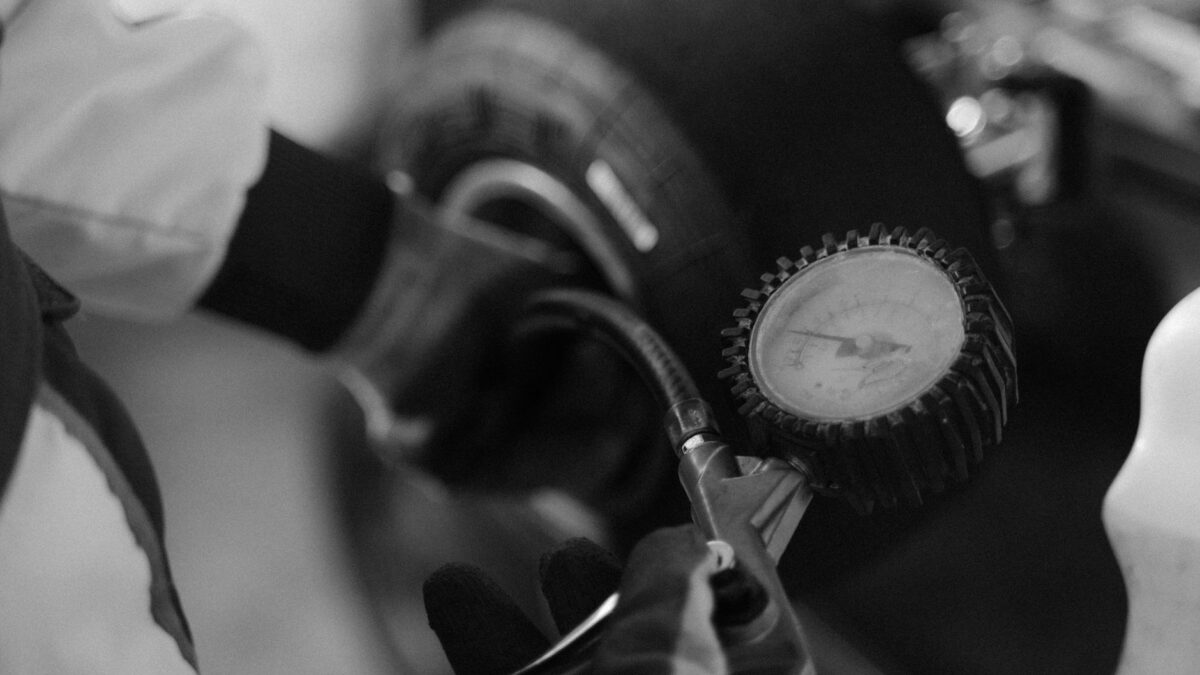
Tire pressure falls about 1 psi for every 10°F drop in air temperature (roughly 0.07 bar for every 5.6°C), so a cold snap can leave a tire several psi low overnight even though nothing is leaking. The tire pressure monitoring system (TPMS) light comes on when a tire falls well below the pressure your automaker recommends. The fix is to check all four tires cold and add air until each one matches the number on the sticker in the driver’s door jamb.
Why does tire pressure drop when it gets cold?
Air contracts as it cools, so the same amount of air inside a tire pushes on the walls with less force. A tire set to 35 psi on a 70°F afternoon will read noticeably lower on a 20°F morning, and the loss shows up across all four tires at once.
Some of the drop goes away after a few miles of driving, because the tires warm up from flexing on the road. That is why the warning light often appears first thing in the morning and goes off later in the day. A light that goes out on its own still means the tires were underinflated when they were cold, and they should be topped up.
Tires also lose a small amount of air through the rubber over time, often about 1 psi a month. In fall and winter, that slow loss and the temperature drop add up.
When does the TPMS warning light come on?
Federal rules require the system in cars and light trucks built since the 2008 model year to warn the driver when any tire falls 25% or more below the recommended cold pressure. On a tire meant to run at 36 psi, that is about 27 psi. By the time the light turns on, the tire is already well under target, so treat the light as a reminder you are late, not early.
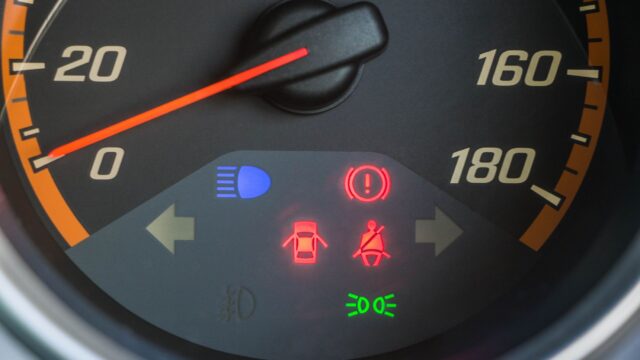
Your dashboard can show two different signals:
- A steady light (a horseshoe shape with an exclamation point) means one or more tires are low.
- A light that flashes for about a minute at startup and then stays on usually means a fault in the system itself, such as a dead sensor battery or a sensor that was not set up after a tire change. A tire shop or dealer needs to check it.
Some cars show the pressure of each tire on the instrument panel. Others use the ABS wheel-speed sensors to detect a low tire indirectly and do not show numbers at all, so you need a gauge.
What pressure should my tires be in winter?
Use the same pressure all year: the one on the tire placard, which is usually on the driver’s door jamb and sometimes inside the fuel door or glove box. The owner’s manual lists it too. Front and rear numbers can differ.
Do not inflate to the number molded into the tire sidewall. That figure is the maximum the tire can safely hold, and running at it makes the ride harsh and reduces grip. Do not let air out for “better traction” in snow either. Underinflated tires flex more, heat up, wear unevenly and make steering less precise. Winter tires use the same placard pressure unless the tire or vehicle maker says otherwise. Our guide to choosing winter, all-season or all-weather tires covers when a switch makes sense.
How do I check and set tire pressure correctly in the cold?
Check pressure “cold,” meaning the car has been parked for at least three hours or driven less than a mile. Readings taken after a long drive come out high.
- Find the recommended pressure on the door-jamb placard.
- Remove the valve cap and press a tire gauge firmly onto the valve stem. A digital or dial gauge is easier to read than a pencil gauge.
- Compare the reading with the placard and add air in short bursts, rechecking as you go. If you overfill, press the pin in the valve stem to let some out.
- Repeat on every tire, plus the spare if your car has one.
- Put the valve caps back on to keep moisture and grit out of the valve.
If you fill up inside a heated garage and then drive out into freezing air, the pressure will drop again. In that case, set the tires about 1 psi higher for every 10°F difference between the garage and outside, or fill up outdoors. Air pumps at gas stations often have built-in gauges that read wrong, so check the result with your own gauge.
How do I reset the TPMS light after adding air?
On most cars with direct sensors, the light goes off by itself after you drive a few miles at normal speed with correct pressure. Cars with indirect systems often need a reset through a button or the settings menu after you inflate the tires. The owner’s manual explains the steps for your model. If the light stays on after the tires are filled correctly and you have driven for a while, a sensor may need service.
Is it safe to drive with the TPMS light on?
A short, gentle drive to the nearest air pump is generally fine if the tire looks normal. If a tire is visibly flat, makes a flapping sound or the car pulls hard to one side, pull over and change to the spare or call for roadside help. A tire that keeps losing air after you fill it probably has a puncture or a leaking valve or rim seal, and a tire shop should look at it.
The National Highway Traffic Safety Administration recommends checking tire pressure at least once a month and before long trips. NHTSA has also begun reviewing its tire safety rules for the first time in more than 20 years.
Quick answers
Should I add extra air before winter?
No. Keep the placard pressure and check more often, about every two weeks, while temperatures swing. The exception is filling up in a warm garage, where a small allowance for the colder air outside helps.
Can I use nitrogen to stop the light coming on?
Nitrogen also contracts in the cold, so pressure still drops as the temperature falls. It may leak through the rubber a bit more slowly, but you still need to check pressure regularly.
Does cold weather affect an EV’s tires the same way?
Yes. EV tires lose pressure in the cold just like any other tire, and low pressure adds rolling resistance at a time when EV range already drops in cold weather.
What else should I check when the first cold snap hits?
The battery. Cold weather slows its chemical reaction and makes the engine harder to start, so a weak battery often fails on the same mornings the TPMS light appears. See how to test a car battery in cold weather.