EV Range in Cold Weather: How Much You Lose and Why
Cold weather hits EV range harder than most drivers expect, and most of the loss goes to heating the cabin. Government test data shows the size of the drop and which habits recover range.
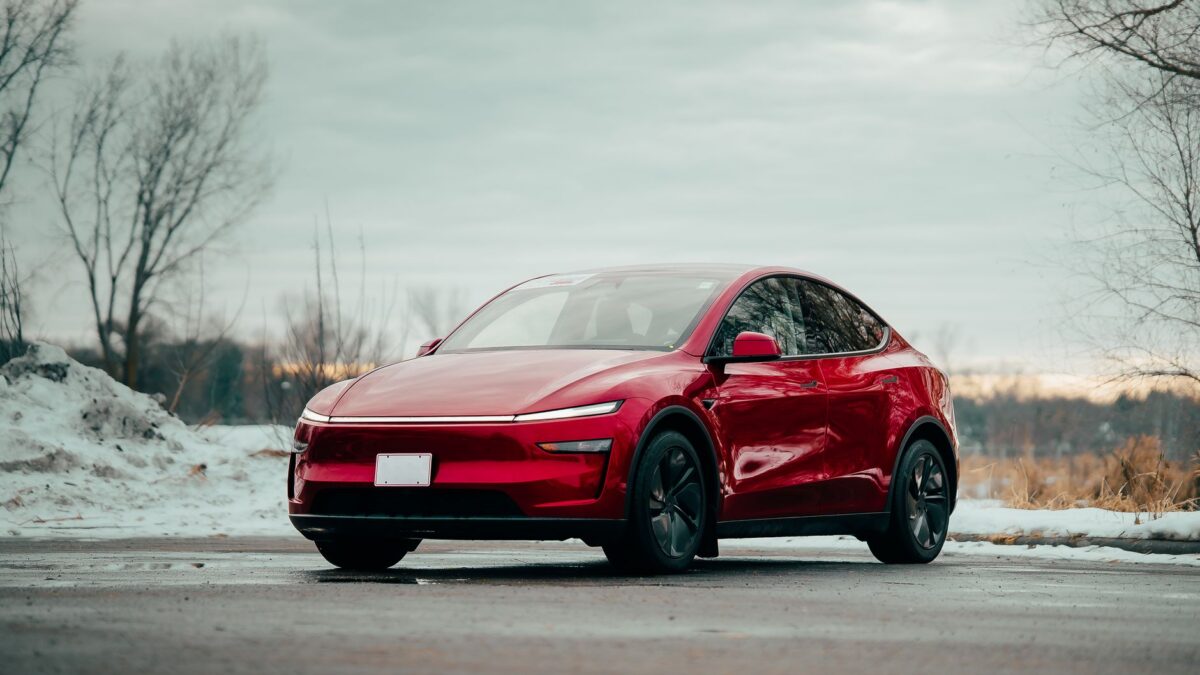
EV range drops sharply in cold weather. Government data on fueleconomy.gov shows that at 20°F an electric vehicle’s range can fall about 41% in mixed city and highway driving when the cabin heater is used, compared with 75°F. Without cabin heat, the range loss is about 12%, which shows that heating the cabin uses most of the extra energy.
The exact loss depends on the model, the trip length and how warm you keep the car. A heat pump, preconditioning while plugged in and using seat heaters all help.
How much range do EVs lose in cold weather?
EVs typically lose the most range on short trips in freezing weather with the heater running. The fueleconomy.gov cold-weather page, run by the Department of Energy and EPA, gives these figures for 20°F:
| Vehicle type | Loss at 20°F vs about 75°F | Notes |
|---|---|---|
| Electric vehicle, heater used | Efficiency down about 39%; range down about 41% | Mixed city and highway driving |
| Electric vehicle, no cabin heater | Efficiency down about 8%; range down about 12% | Shows how much energy goes to heat |
| Gasoline car | Mileage down about 15% in city driving | Up to 24% on 3 to 4 mile trips |
| Conventional hybrid | Mileage down about 30% to 34% | Same conditions |
The site says about two-thirds of the extra energy an EV uses in the cold goes to heating the cabin. Its EV estimates are based on a 2019 AAA range study, so newer models with heat pumps and better thermal management may do better.
Why does cold weather reduce EV range?
Cold weather reduces EV range mainly because heat has to come from the battery. A gas engine wastes heat that warms the cabin for free; an EV has to spend stored energy on it.
- Cabin heating. Resistance heaters draw a lot of power, especially on short trips where the car never settles into a steady state.
- Battery chemistry. Lithium-ion cells work less efficiently when cold, and the car may spend energy warming the pack.
- Weaker regenerative braking. fueleconomy.gov notes that cold reduces battery performance, which also affects regenerative braking on hybrids and EVs.
- Drag and tires. Cold air is denser, which raises drag at highway speed, and tire pressure drops as temperatures fall, raising rolling resistance.
- Winter roads. Snow and slush add resistance, and slower safe speeds change how energy is used.
Does the EPA range rating account for cold weather?
Partly. The EPA’s range testing runs EVs on a lab dynamometer until the battery can no longer keep up with the test cycle, then adjusts the result for real-world factors that the basic tests leave out, including air conditioning, cold temperatures and aggressive driving.
The most common method multiplies the lab result by 0.7. EPA’s example: an EV that covers 200 miles on the highway lab test is rated at 140 miles for highway driving. City and highway figures are then weighted 55% and 45% to give the combined range on the window sticker.
That adjustment is an average across conditions, not a winter rating. On a cold day with heavy heater use, expect less than the sticker figure; on a mild day at moderate speed, many EVs beat it.
How can I get more range in winter?
The biggest gains come from heating the car with grid power before you leave and heating people instead of air while driving. DOE and automaker guidance lines up on these steps:
- Precondition while plugged in. Set a departure time so the car warms the cabin and battery from the charger. fueleconomy.gov says preheating while plugged in can extend range.
- Use seat and steering wheel heaters. They use less energy than heating the whole cabin; Ford’s EV winter guidance recommends them as the primary heat source.
- Park in a garage when you can. A warmer battery and cabin need less energy at startup.
- Keep the car plugged in when parked, if your automaker recommends it, so the battery can be kept warm without draining range.
- Check tire pressure often, since it falls in cold weather.
- Clear snow off the car before driving to cut weight and drag.
- Charge higher before long winter trips. The Department of Energy suggests considering a charge between 80% and 100% in extreme cold and for longer trips.
Does a heat pump help EV range in winter?
Yes, in most conditions. The Department of Energy says a heat pump draws heat from outside air to warm the cabin much more efficiently than an electric resistance heater in most conditions, and suggests choosing one if it is available when you buy an EV. Some models carry both systems, using the heat pump in moderate cold and resistance heat when it is very cold.
If you are shopping for a used EV, check whether the heat pump is standard or part of an option package on that model year. The battery warranty and battery health matter too; see our guide to EV battery warranty terms by brand.
Does cold weather slow down charging?
Yes. A cold battery accepts power more slowly, so fast-charging sessions can take longer in winter, and many batteries already reduce charging power above about 80% state of charge. Navigating to a fast charger with the car’s built-in route planner can warm the battery on the way on models that support it; check your owner’s manual. Our explainer on EV charging levels and times covers how charging speed changes during a session.
Bottom line
Plan for noticeably less range on cold days, especially on short trips with the heater running. Preconditioning on the charger and using seat heaters recover a good share of the loss, and a heat pump helps every winter you own the car.
FAQ
Does cold weather permanently damage an EV battery?
Normal winter use reduces range temporarily; the range returns as temperatures rise. Follow your automaker’s guidance on storing the car in extreme cold, such as keeping it plugged in.
Is it better to warm up an EV before driving?
Yes, if you do it while plugged in. Preconditioning from the charger warms the cabin and battery without using the energy you need for the drive.
Do plug-in hybrids lose electric range in the cold too?
Yes. The same battery and heating effects apply to the electric part of a plug-in hybrid’s range. The owner’s manual explains how your model heats the cabin and when the engine runs.
Why does my EV use so much energy on short winter trips?
On a short trip, heating the cabin and battery takes a large share of the total energy. fueleconomy.gov notes that the cold hurts short trips more because the vehicle spends more of the trip below its efficient operating temperature.