Cost to Charge an EV at Home vs Fast Chargers, per 100 Miles
The math behind EV charging costs, with EIA electricity prices and gas prices as of November 2026, and the factors that move your own number.
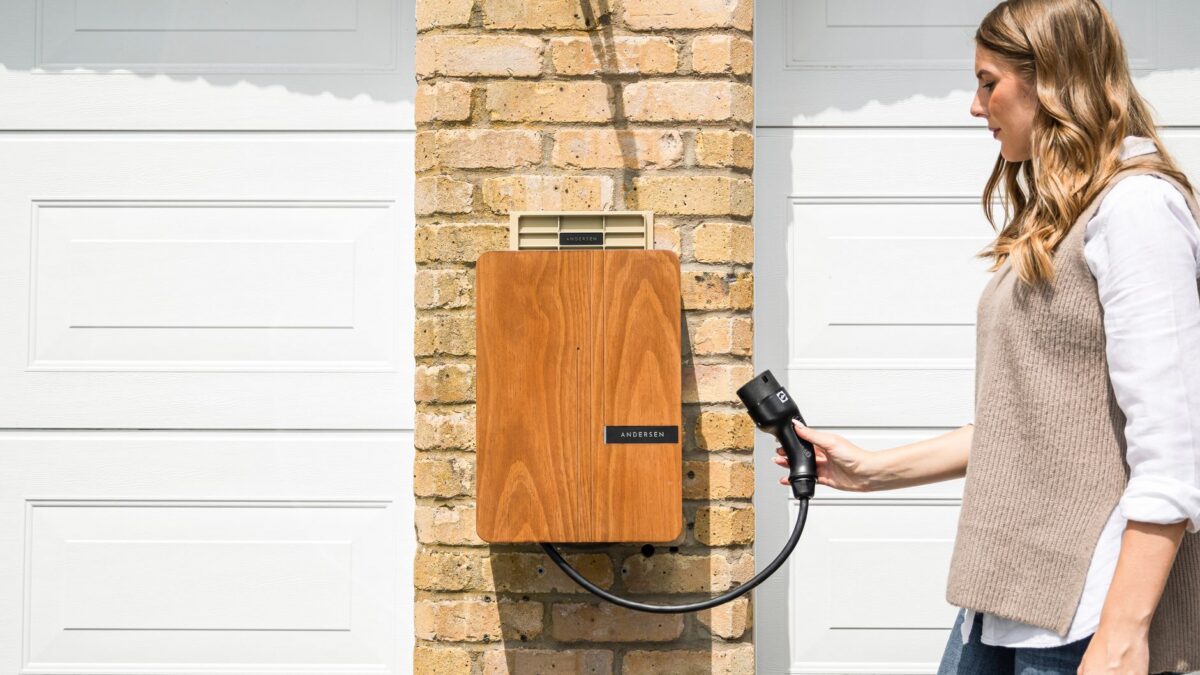
Charging an electric car at home costs about $4.50 to $7.30 per 100 miles at the US average residential electricity price of 18.16 cents per kWh, the EIA’s preliminary figure for August 2026. Public DC fast charging usually costs two to three times as much. A gas car at 30 mpg, with regular gasoline at $4.15 a gallon in early November 2026, costs about $13.80 per 100 miles.
Your own number depends on three things: your car’s efficiency, your electricity rate and where you charge. The formula is simple once you know where to find each one.
How do I calculate the cost to charge an EV?
Multiply the car’s energy use in kWh per 100 miles by the price per kWh. The energy figure is on the window sticker and on fueleconomy.gov, listed as kWh/100 mi. EPA measures that number at the wall outlet, so it already includes energy lost while charging.
Cost per 100 miles = kWh per 100 miles × price per kWh
Most EVs rate between about 25 and 40 kWh per 100 miles. Small sedans sit at the low end. Large SUVs and pickups can use 45 kWh or more.
Example: a crossover rated at 30 kWh per 100 miles, charged at 18.16 cents, costs 30 × $0.1816 = about $5.45 per 100 miles. Driving 12,000 miles a year, that is roughly $650 for the year at home.
How much does home charging cost?
Home charging is the cheapest option for most owners because residential rates are lower than public charging prices. The figures use the August 2026 national average from the EIA’s Electric Power Monthly.
| Efficiency (kWh/100 mi) | At 18.16¢/kWh (US average) | At 12¢/kWh (off-peak or low-rate state) | At 30¢/kWh (high-rate state) |
|---|---|---|---|
| 25 | $4.54 | $3.00 | $7.50 |
| 30 | $5.45 | $3.60 | $9.00 |
| 35 | $6.36 | $4.20 | $10.50 |
| 40 | $7.26 | $4.80 | $12.00 |
State averages differ a lot. In August 2026, Hawaii’s residential average was above 47 cents per kWh, while many states in the South, Mountain West and Plains were well below the national figure. Your bill shows your actual rate, including delivery charges.
Time-of-use plans can lower the cost further. Many utilities charge less overnight, and some offer EV-specific rates. Setting the car or charger to start after the off-peak hour begins is often the single biggest saving.
How much does public fast charging cost?
Public DC fast charging costs more because the operator pays for the equipment, the site and high demand charges from the utility. At two to three times the national home rate, roughly 36 to 55 cents per kWh, a car using 30 kWh per 100 miles costs about $11 to $16.50 per 100 miles. Some locations charge by the minute instead.
Prices vary by network, state, time of day and membership. Some networks sell monthly plans that lower the per-kWh price for frequent users. Idle fees apply if you leave the car plugged in after it finishes. Each network’s app shows the price before you start, and Tesla Superchargers show separate prices for non-Tesla vehicles. Our guide to NACS vs CCS charging covers which cars can use them.
Free Level 2 charging still exists at some workplaces, hotels and stores, though it is slower and less common than it used to be.
How does EV charging compare with gas?
At average prices, home charging costs well under half as much per mile as gas. The comparison uses EIA’s US average for regular gasoline of $4.153 a gallon for the week of November 2, 2026.
| Vehicle and fuel | Cost per 100 miles |
|---|---|
| EV, 30 kWh/100 mi, home at 18.16¢ | About $5.45 |
| EV, 30 kWh/100 mi, fast charging at 36 to 55¢ | About $11 to $16.50 |
| Gas car, 30 mpg, at $4.15 | About $13.80 |
| Gas car, 25 mpg, at $4.15 | About $16.60 |
| Hybrid, 50 mpg, at $4.15 | About $8.30 |
An EV that relies mostly on fast charging can cost as much per mile as an efficient gas car. A hybrid is also a strong low-cost option for drivers who cannot charge at home. Our comparison of hybrids, plug-in hybrids and EVs goes through those trade-offs.
What else affects the cost?
- Cold weather: cabin and battery heating use energy, so winter efficiency is lower than the label figure.
- Highway speed: EVs use more energy at 75 mph than at 55 mph.
- Level 1 vs Level 2: slow 120-volt charging loses a larger share of energy than 240-volt charging over a long session.
- Home charger setup: a Level 2 charger and any electrical work are one-time costs. The federal 30C credit for home chargers covered equipment placed in service from January 1, 2023, through June 30, 2026, in eligible census tracts, according to IRS guidance, so it does not apply to installations after that date.
Bottom line
Charging at home at average US rates costs roughly $5 to $7 per 100 miles for most EVs, less on an off-peak plan. Fast charging is the expensive way to fuel an EV, so the savings depend on how much of your charging happens at home.
FAQ
How much does it cost to fully charge an EV?
Multiply the battery’s usable capacity by your rate and add about 10% for charging losses. A 75 kWh battery at 18.16 cents costs about $15 to charge from empty, though most owners charge from 20% to 80%.
Does charging an EV raise my electric bill a lot?
Driving 1,000 miles a month in an EV using 30 kWh per 100 miles adds about 300 kWh. At the national average, that is around $55 a month before any off-peak discount.
Is fast charging bad for the battery?
Occasional fast charging is normal use. Many automakers advise relying mainly on Level 2 charging for daily driving; check your owner’s manual for specific guidance.
Where can I find my car’s kWh per 100 miles?
It is on the window sticker and on fueleconomy.gov for your model and year. Many cars also show recent consumption on the dashboard.