Tesla FSD V15 Reaches Early-Access Users With Reality View Display
Tesla's FSD V15 adds a Reality View camera and a claimed 25-fold gain in critical safety handling, but the company gave no baseline for that figure.
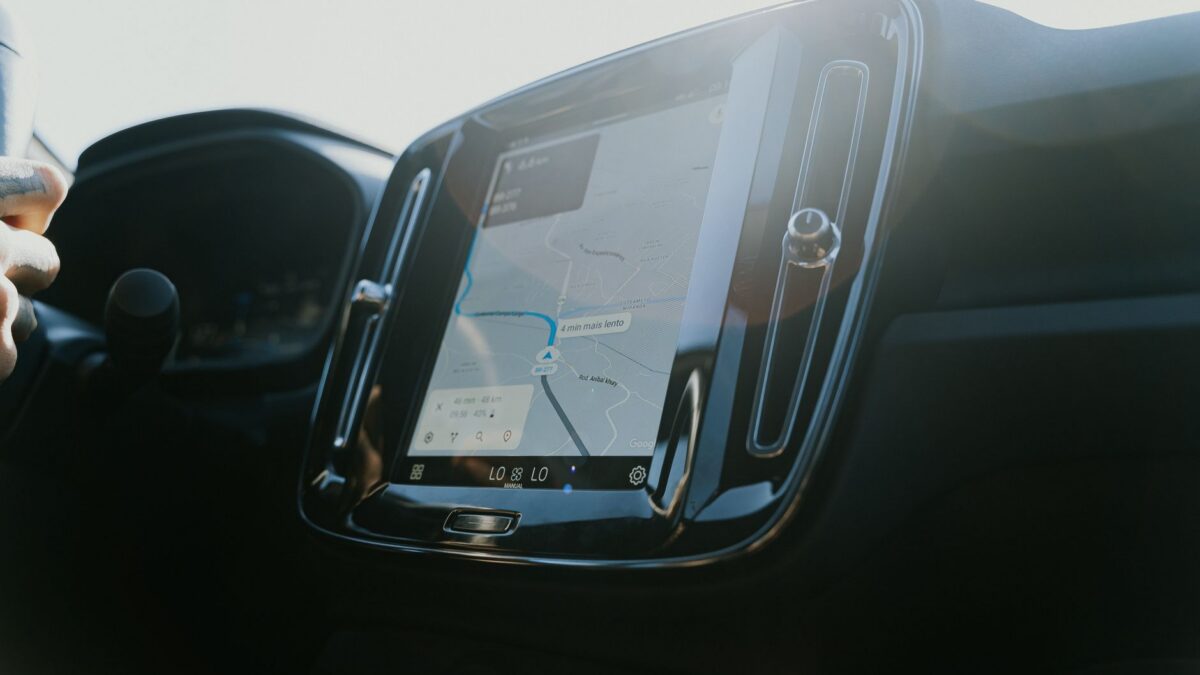
Tesla has started sending Full Self-Driving V15 to early-access users, according to InsideEVs. The update adds a screen view called Reality View and comes with a claim that FSD now handles critical safety situations 25 times better. Tesla did not say what that figure is measured against.
Owners with access will see the most obvious change on the screen, while the safety claim will take far longer to verify.
What Reality View shows
Reality View redraws the street around the car in real time and lets the driver swing a virtual camera around it, much like a follow camera in a video game. It also shows where FSD plans to turn or park, and a floating arrow now indicates which roundabout exit the car will take. The older parking display only outlined nearby objects.
The view can fill the whole screen, share it with the map, or be replaced by the map. A quieter cabin mode is included, and the turn signal sound now fades after a few clicks.
The 25-times claim and what is missing
Tesla says V15 is 25 times better when it comes to critical interventions. The company attributes this to a new software model that interprets camera images, trained on millions of internet videos and shared with its Robotaxi and Optimus programs.
InsideEVs points out that Tesla has not disclosed the starting point. It is not stated how many miles the previous version drove between critical interventions or under what conditions. Without that baseline, the number cannot be compared with earlier releases or with other driver-assistance systems.
Other changes Tesla describes
- Better detection of potholes, small animals, signs and debris, including chains, which have drawn federal scrutiny after crashes.
- Avoidance of deep standing water and more suitable speeds in school zones and bad weather.
- Navigation that learns from routes other Teslas actually drive, at first only at the start and end of a trip. Tesla plans to extend it to the full route later.
- Several parking options shown on arrival, with FSD using the driver’s parking history to choose.
- Slowing for speed cameras. If a driver overrides the car twice at the same camera, it remembers that preference.
- Bike Rack Mode, which lets FSD operate with a rack on the tow hitch. Autopark, Summon and backup warnings are disabled in that mode, and the car does not reverse automatically at the destination.
What an early test found
Tesla owner and commentator Sawyer Merritt drove V15 for roughly 25 minutes, according to InsideEVs. He found it more cautious around pedestrians than V14. In one parking lot, he said the car braked for a person running across its path before he had noticed them.
Parking was less smooth. Merritt could see which space FSD had chosen, but tapping a different space did nothing. He had to switch to manual, select the spot and re-engage FSD, which then parked where he wanted.
Why it matters for owners
Drivers who get V15 will notice the display and parking behavior immediately. The safety improvement Tesla describes is a company statement without a published reference point, and InsideEVs says it needs more than a short drive to judge. A single 25-minute trip cannot settle it either way.
For background on a related Tesla topic, see which EVs can use Tesla Superchargers now.
Source: InsideEVs