The Federal EV Tax Credit Ended: Who Can Still Claim It
The $7,500 new, $4,000 used and commercial clean vehicle credits are gone for new purchases. A narrow group of buyers can still claim, and state and utility programs fill some of the gap.
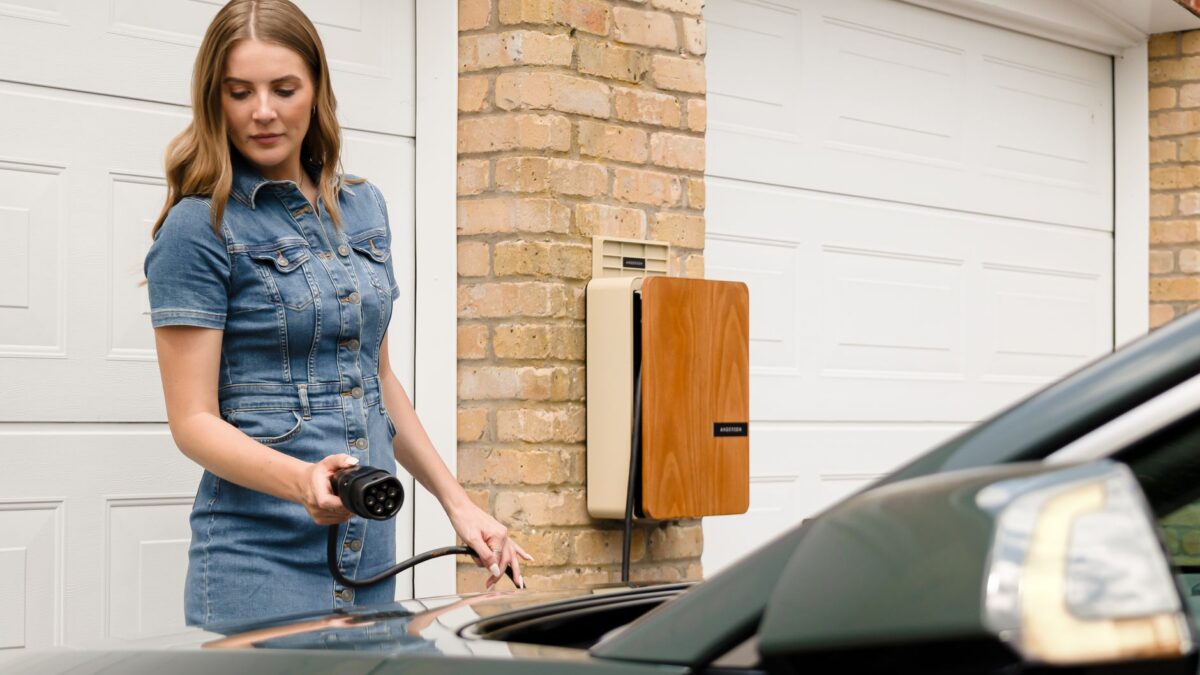
The federal EV tax credits ended for vehicles acquired after September 30, 2025. The One Big Beautiful Bill Act closed the new clean vehicle credit (up to $7,500), the used clean vehicle credit (up to $4,000) and the commercial clean vehicle credit that leasing companies used to pass savings to drivers. As of November 2026, only buyers who signed a binding contract and made a payment by that date can still claim, and state or utility incentives are the main help left.
Which federal EV credits ended?
Three vehicle credits stopped for vehicles acquired after September 30, 2025. The IRS states plainly on its clean vehicle credit page that the credit “is not available for vehicles acquired after Sept. 30, 2025.”
| Credit | Code section | Maximum before it ended | Status as of November 2026 |
|---|---|---|---|
| New clean vehicle credit | 30D | $7,500 | Ended for vehicles acquired after September 30, 2025 |
| Previously owned clean vehicle credit | 25E | $4,000 | Ended for vehicles acquired after September 30, 2025 |
| Qualified commercial clean vehicle credit | 45W | $7,500 for vehicles under 14,000 lb | Ended for vehicles acquired after September 30, 2025 |
| Alternative fuel refueling property credit (chargers) | 30C | 30%, up to $1,000 per item for individuals | Ended for property placed in service after June 30, 2026 |
The lease route went away with 45W. Before October 2025, many leases showed a $7,500 “lease credit” because the leasing company claimed the commercial credit and passed it on. New leases no longer carry that federal money.
Can anyone still claim the EV tax credit?
Yes, but only if you “acquired” the vehicle by September 30, 2025. The IRS treats a vehicle as acquired when you entered into a written binding contract and made a payment on or before that date. A nominal down payment or a trade-in counted as the payment.
Delivery could come later. If you signed and paid in September 2025 and took the car home in 2026, you claim the credit for tax year 2026, the year the vehicle was placed in service, which the IRS defines as the day you take possession.
- Find your signed purchase contract and proof of the payment, both dated September 30, 2025 or earlier.
- Get the time-of-sale report the dealer must give you at delivery. It shows the dealer reported the sale to the IRS.
- File Form 8936 with your return for the year you took delivery, with the VIN.
- Check the income limits that applied to the credit. For the new vehicle credit, modified AGI could not exceed $300,000 for joint filers, $225,000 for heads of household or $150,000 for other filers.
Buyers who transferred the credit to the dealer at the time of sale still have to file Form 8936. If your income ends up above the limit, you may have to repay the credit with your return. A tax professional can confirm your case; this page is general information, not tax advice.
What happened to the home charger credit?
The 30C credit for EV charging equipment ended for property placed in service after June 30, 2026. A charger installed and working by that date can still be claimed on Form 8911 for 2026, and only in an eligible census tract, meaning a low-income community or a non-urban area.
A signed contract does not help with 30C. The test is the date the equipment was placed in service, not the date you ordered it.
What EV incentives are left in 2026?
State governments, utilities and some local air districts still run EV incentives, though the list changes often and many programs cap funding.
- State rebates and tax credits. A number of states offer a rebate or state income tax credit for new or used EVs, often with price caps and income limits.
- Utility programs. Many electric utilities offer rebates for a home charger, a discounted EV charging rate at night, or both.
- Other perks. Some states let EVs use carpool lanes with a single occupant. Others now charge an extra annual EV registration fee, so check both sides.
The Department of Energy keeps a searchable list of state laws and incentives at the Alternative Fuels Data Center. Check your utility’s website too, since its programs may not appear there. Confirm the program is still funded before you buy, because some close when the money runs out.
Does an EV still make financial sense without the credit?
It depends on what you pay for electricity and how much you drive. Charging at home on a residential rate usually costs less per mile than gasoline, while frequent public fast charging can narrow or erase that gap.
Our guide to the cost to charge an EV compares home and public charging per 100 miles. If a full EV does not fit, our explainer on hybrids versus plug-in hybrids compares the alternatives. Battery coverage matters more when a car has no subsidy, so read our guide to EV battery warranties before buying used.
Bottom line
For anyone shopping now, the federal EV credits are gone, and a dealer that still advertises one should be asked to show the IRS basis in writing. Buyers with a contract and payment dated by September 30, 2025 can still claim on Form 8936 for the year of delivery, and everyone else should look at state and utility programs.
FAQ
Can I get the $7,500 EV tax credit in 2026?
Only if you acquired the vehicle with a written binding contract and a payment on or before September 30, 2025. New contracts signed after that date do not qualify.
Is the used EV tax credit still available?
No. The used clean vehicle credit ended for vehicles acquired after September 30, 2025, under the same binding contract rule as the new vehicle credit.
Can I still claim a credit for a home EV charger?
Only for a charger placed in service by June 30, 2026, in an eligible census tract. Equipment installed after that date does not qualify.
Do leased EVs still get a federal discount?
No. The commercial clean vehicle credit that leasing companies used also ended for vehicles acquired after September 30, 2025.