Public EV Charging Networks Compared: Plugs, Plans and Fees
Fast-charging prices depend on the network, the site, your plan and sometimes the time of day. This comparison shows how each major US network charges and where to check the live price.
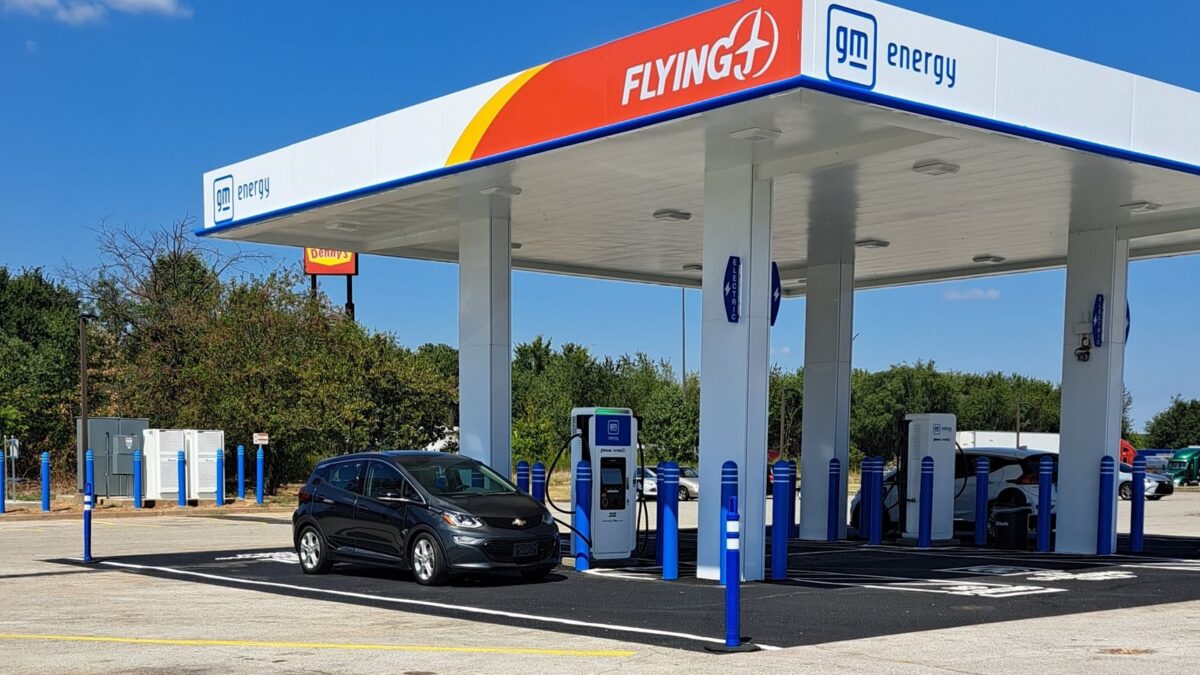
The big US fast-charging networks price charging in different ways, so the same session can cost noticeably different amounts. As of November 2026, Ionna caps its price at $0.39 per kWh plus tax with no idle or membership fees, Electrify America sets prices by location and plan with a Pass+ membership that saves about 25%, and Tesla, EVgo and ChargePoint sites show their own rates in the app or on the charger.
The rule that works on every network: check the live price on the charger screen or app before you plug in, and move the car when charging ends.
How do the major charging networks compare?
The main differences are the plugs available, whether a membership lowers the rate, and whether you pay idle fees for staying plugged in after charging finishes.
| Network | Plugs | How the price is set | Membership | Idle fees |
|---|---|---|---|---|
| Tesla Supercharger | NACS (J3400); other EVs need a native NACS port or an approved adapter | Varies by site and time; shown in the Tesla app | Optional plan for non-Tesla drivers | Yes, at many sites |
| Electrify America | CCS at its stations; check the app for other connectors | By location, your plan and energy delivered; time-of-use pricing at select stations | Pass (free) or Pass+ (monthly fee, saves about 25%) | May be charged after the session ends |
| EVgo | CCS, with other connectors at some sites | By location and plan | Optional monthly plans with lower rates | Check the app for the site |
| ChargePoint | Level 2 and some DC fast chargers | Set by each site’s owner, not one national price | Account or app for most stations | Set by the site owner |
| Ionna | NACS and CCS available | Per kWh, never more than $0.39 plus tax; some sites lower off-peak | None needed; 10% offers for some brands | None |
Network details are from each operator’s pricing or support pages as of November 2026; prices at a given site can change at any time.
How much does fast charging cost on each network?
The only network with a published national ceiling is Ionna: its pricing page says charging never costs more than $0.39 per kWh plus tax, with no session, subscription or idle fees, so a 60 kWh session costs $23.40 plus tax. Some Ionna sites charge less off-peak, and drivers of BMW and MINI, Mercedes-Benz, and Hyundai and Genesis get 10% off when they start the session through the brand’s app or Plug and Charge.
Electrify America’s pricing page says DC fast-charging prices depend on the charger location, your plan and the energy delivered. Guests pay by card at the charger. Pass members pay through the app, and Pass+ members pay a monthly fee in exchange for savings of about 25% on charging. Some stations use time-of-use pricing, so off-peak sessions cost less.
Tesla, EVgo and ChargePoint do not post one national rate. Their apps show the price for each site before you start. ChargePoint mostly sells chargers and software to businesses that set their own prices, so two ChargePoint stations a mile apart can charge very different amounts.
For a per-mile view of what these rates mean, see our comparison of the cost to charge an EV at home and at fast chargers.
Are memberships worth paying for?
A membership pays off only if the discount on your usual sessions is larger than the monthly fee. The math is simple:
- Estimate how many kWh you buy on that network in a month.
- Multiply by the per-kWh discount the plan gives at your usual stations.
- Compare the result with the plan’s monthly fee shown in the app.
Drivers who fast-charge mostly on road trips usually do better as guests. Drivers without home charging who use one network every week are the ones who tend to come out ahead on a plan. Some automakers also include free or discounted charging for new EV buyers, so check your vehicle’s offer in the network app before paying for a plan.
What are idle fees, and how do I avoid them?
Idle fees are per-minute charges for staying plugged in after charging has finished, meant to free up chargers for the next driver. Electrify America says idle fees may be imposed after a session ends, and Tesla charges them at many Supercharger sites. Ionna says it charges none.
- Set the app to notify you when charging stops, and return before it does.
- Do not plan a long meal around a fast-charging session at a busy site.
- Stop at 80% when you do not need more; many batteries reduce charging power above about 80%, so the last stretch takes longer and ties up the charger.
Our guide to charging levels and charging time explains why sessions slow down near full.
Which plug do I need for each network?
Most non-Tesla EVs built before the industry switch use CCS, while Teslas and a growing number of newer models from other brands have the NACS port, standardized as SAE J3400. Ionna offers both plugs, Electrify America and EVgo are mainly CCS networks, and Superchargers use NACS. Which non-Tesla models can use Superchargers, and with which adapter, is covered in our guide to NACS vs CCS charging.
How do I find charging stations along a route?
Use the Department of Energy’s Alternative Fuels Data Center station locator, which lists publicly accessible stations in the United States and Canada and lets you filter by connector type, charging level and network. It also has a route-mapping tool and phone apps.
Then open the network’s own app for live prices, charger status and any membership pricing. The DOE locator is best for finding stations; the network app is best for the price at the moment you arrive.
Bottom line
No single network is cheapest everywhere, so the price on the screen is what counts. Check it before plugging in, skip memberships unless you charge on that network often, and unplug when the session ends to avoid idle fees.
FAQ
Is fast charging priced per kWh or per minute?
Most major networks now price per kWh, which means you pay for the energy delivered. Some sites may still use per-minute or session pricing, so read the price breakdown on the charger before you start.
Can I pay with a credit card instead of an app?
Yes at many fast chargers. Electrify America and Ionna accept card payments at the charger, while other networks may require an app or account at some sites.
Why is the price different at two stations of the same network?
Networks set prices by location, and some use time-of-use rates that change during the day. Local electricity costs and demand charges also differ by site.
Do public chargers cost more than charging at home?
Usually yes. Home charging is billed at your residential electricity rate, while fast-charging prices include equipment, demand charges and the network’s margin.