NHTSA Recall Numbers Explained: Campaign ID vs Automaker Code
An NHTSA recall number such as 26V-123 is the campaign ID the agency assigns to a recall report. The automaker's own code is a separate internal reference.

An NHTSA recall number such as 26V-123 is the campaign number the National Highway Traffic Safety Administration assigns when a manufacturer files a defect or noncompliance report. The first two digits are the year the recall was filed, the letter shows the kind of product (V for vehicles) and the last digits are a running sequence for that year. The automaker’s own recall code is a separate, internal reference that the company and its dealers use for the same campaign.
What does each part of an NHTSA campaign number mean?
The number has three parts: year, product type and sequence. In 26V-123, “26” stands for 2026, “V” marks a vehicle recall and “123” places the campaign in that year’s running count. Other letters are used for other products: E for equipment, T for tires and C for child seats.
NHTSA assigns the number. The federal rule on recall reports, 49 CFR 573.6, tells a manufacturer that sends new information about a report it has already filed to refer to the recall campaign number once NHTSA has assigned one. From that point the number follows the recall through every amended report, letter and remedy update.
What is the automaker’s own recall code?
The automaker’s code is the company’s internal name for the campaign. Each manufacturer has its own format, so the codes look nothing alike from one brand to the next, and none of them is set by the federal rules quoted here. Dealers use the code to order parts and to bill the manufacturer for the repair.
Owners usually meet both numbers in the recall letter. Either one identifies the campaign at a franchised dealer’s service desk. The NHTSA number is the one that works across brands and on the agency’s website, which is why recall news cites it.
When does a recall get its number?
A recall gets a campaign number after the manufacturer files its report, and the rule gives the manufacturer little time to file. Under 49 CFR 573.6, the report is due not more than 5 working days after a defect has been determined to be safety related or a noncompliance with a safety standard has been determined to exist.
The first filing can be incomplete. At a minimum it has to name the manufacturer, identify the vehicles or equipment involved and describe the defect or noncompliance. The rest follows within 5 working days after the manufacturer has confirmed the information is accurate. Corrections and updates to the affected population, the vehicle count and the remedy program are also due within 5 working days of the manufacturer learning something new.
Many recalls start earlier, with owner complaints and a federal probe. The steps before a number exists are covered in the guide to how an NHTSA investigation moves from complaint to recall.
What information sits behind a campaign number?
Every campaign number points to a report with a fixed list of contents. The rule requires each of the following:
- The manufacturer’s full name and any brand name or trademark owner.
- The vehicles covered. For passenger cars that means make, line, model year and the first and last month and year of manufacture, plus how the recalled vehicles differ from similar ones left out.
- The total number of vehicles or items of equipment that may contain the defect.
- The percentage of those vehicles estimated to actually have the defect.
- A description of the defect, where it is on the vehicle, and the safety risk.
- For a defect, a chronology of the main events behind the decision, including a summary of warranty claims and field or service reports with their dates.
- For a noncompliance, the test results the manufacturer relied on.
- The remedy program, including a plan to reimburse owners who paid for the fix themselves before the recall was announced.
If the faulty component came from a different company, the report names that supplier and, when known, the component’s country of origin.
The gap between the total and the percentage explains a common surprise. A recall can cover a large number of vehicles while the manufacturer estimates that only a small share of them have the fault.
What must the recall letter tell you?
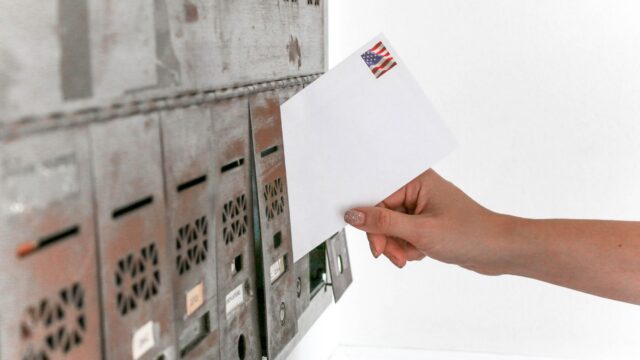
The owner letter has a required opening and a required set of facts, set out in 49 CFR 577.5. The envelope carries the words “SAFETY RECALL NOTICE” in capital letters, in type larger than the address. The letter itself starts with “IMPORTANT SAFETY RECALL” and, for vehicle recalls, a line saying the notice applies to your vehicle, with your VIN inserted.
After that the manufacturer must give:
- A statement that it has decided a safety defect exists, or that the vehicles fail to conform to a named federal safety standard.
- The system or part affected, the malfunction that may occur and any conditions that can trigger it.
- Precautions the owner should take before the repair, if there are any.
- An evaluation of the risk. When a crash is possible, the letter says whether it can happen without prior warning or describes the warning signs.
- A statement that the defect will be remedied without charge, and whether by repair, replacement or refund.
- The earliest date the free remedy will be available. For a repair, that is the earliest date the manufacturer reasonably expects dealers to have parts and instructions.
- A general description of the work and an estimate of the labor time.
Manufacturers have to send NHTSA a copy of the proposed letter no fewer than five federal government business days before mailing begins. Letters to owners with addresses in Puerto Rico are written in English and Spanish. The agency has been considering changes to how notices go out, as described in the report on recall letters and over-the-air fixes.
How do you use the numbers?
Use the campaign number to find the recall and the VIN to find out whether your own vehicle is in it.
- Find the VIN on the recall letter, the dashboard or your registration. The guide to what each character of a VIN means shows where to look.
- Enter it at nhtsa.gov/recalls. The result lists open recalls on that vehicle with their NHTSA campaign numbers.
- Call a franchised dealer for the brand and quote the NHTSA number or the automaker’s code. The repair is free.
- If the letter says the remedy is not yet available, keep it. The letter must state the earliest date the manufacturer expects to have the fix.
Quick answers
Is the NHTSA campaign number the same as the manufacturer’s recall number?
No. NHTSA assigns the campaign number. The manufacturer’s number is its own internal code. Both refer to the same recall.
Does a campaign number mean my car is definitely affected?
No. A campaign covers a defined group of vehicles, and the manufacturer may state in the letter that the defect may not exist in each one. Only a VIN check shows whether a specific vehicle is included.
Do tires and car seats get the same kind of number?
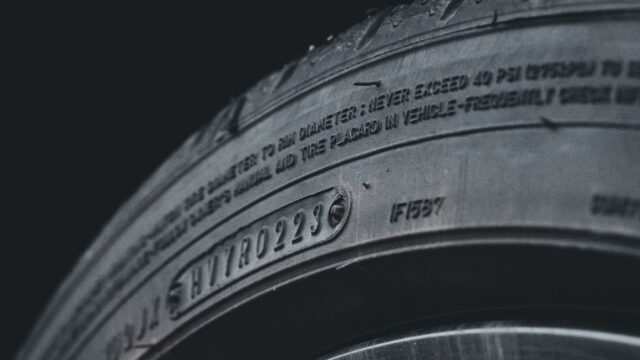
They get a campaign number in the same format with a different letter. Equipment makers file under the same reporting rule and identify the item by component name, part number and, for tires, a range of tire identification numbers. The site has a separate guide to checking a tire recall by its DOT number.
Will I be charged for a recall repair?
No. The letter has to say the defect will be remedied without charge when the law requires a free remedy or the manufacturer offers one voluntarily.
Checked against official sources in November 2026. Hours, prices and rules change: confirm on the official page before you go or apply.