Used Car Buying Checklist: What to Check Before You Pay
Check the VIN history, open recalls, paperwork, test drive and a pre-purchase inspection before you pay for a used car. A step-by-step checklist.
Before you pay for a used car, run its VIN through a history report and the federal recall lookup, check that the title is clean and matches the seller, inspect the car in daylight, test drive it on varied roads, and pay an independent mechanic for a pre-purchase inspection. Each step can end the deal or lower the price, and each costs far less than a hidden problem found after the sale.
The checklist below follows the order most buyers can do it in, from your desk to the final signature.
What should I check before I even see the car?
Start with the vehicle identification number (VIN), the 17-character code on the dashboard near the windshield and on the driver’s door jamb. Ask the seller for it before you visit, and make sure the two locations match each other and the title.
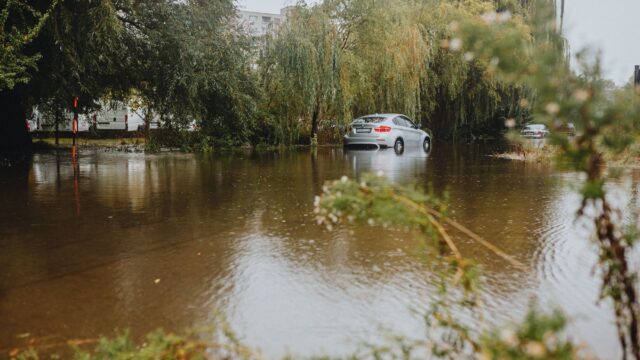
- Run a vehicle history report. The government site VehicleHistory.gov lists approved providers of National Motor Vehicle Title Information System data, which covers title brands such as salvage and flood damage.
- Look up open recalls with the NHTSA tool at nhtsa.gov/recalls. Our guide on how to check car recalls by VIN shows the steps. Recall repairs are free at a franchised dealer, so an open recall is a point to settle before you buy.
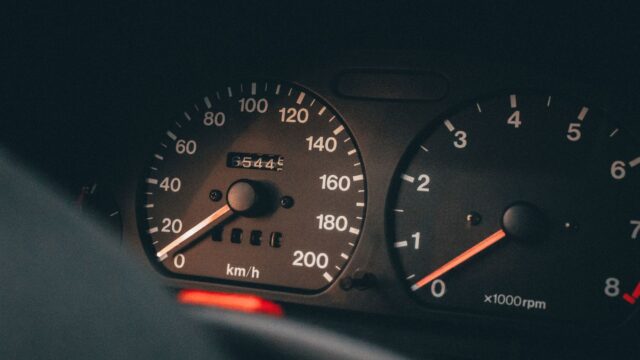
- Compare the mileage on the report with the odometer. The article on odometer rollback explains what to look for.
- Search the model for known problems and for recall history, such as the Takata airbag recall on older vehicles.
Which paperwork and seller details should match?
The name on the title should be the seller’s, and the VIN on the title should match the car. Be careful if the seller says the title is “being mailed” or if a lien is listed, since a lender may still have a claim on the car. A private seller should be able to produce service records, and a dealer must display the FTC Buyers Guide on used cars, which says whether the car is sold with a warranty or “as is”. The Federal Trade Commission explains this at consumer.ftc.gov.
Ask why the owner is selling and how long they have had the car. Vague answers or pressure to pay quickly are reasons to slow down.
What should I inspect on the car itself?
Look at the car in daylight, on level ground and when the engine is cold. A warm engine can hide hard starts and some noises.
- Body and paint. Uneven gaps between panels, mismatched paint and overspray on rubber trim can point to past repairs.
- Tires. Wear should be even across each tire. Uneven wear can mean alignment or suspension trouble. Check the tire age code on the sidewall too.
- Under the hood. Look for leaks, cracked belts and hoses, and fluid that is dark, gritty or low. Milky oil is a serious warning sign.
- Interior. Test every window, lock, light, mirror, seat adjuster, the air conditioning and the heater. Damp carpets or a musty smell can point to a leak or flood damage.
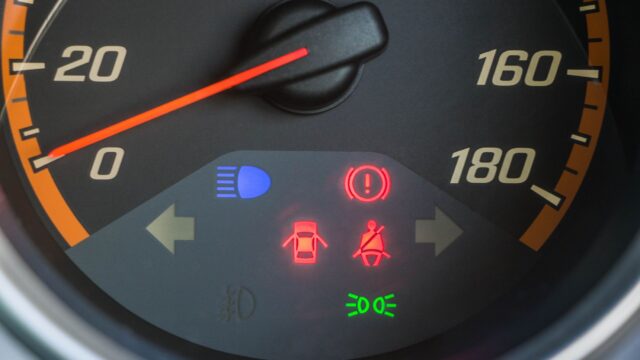
- Warning lights. All dashboard lights should come on at start and then go out. A light that never comes on has sometimes been disabled.
For a used electric vehicle, add the checks in our guide to used EV battery health.
How should I test drive a used car?
Drive the car on city streets, a highway and a rough road if you can, with the radio off so you can hear it. Watch for these points:
- The engine starts easily and idles smoothly.
- The transmission shifts without jerks, slipping or delay.
- The car tracks straight when you let the wheel go lightly on a flat road.
- Brakes stop the car evenly, without pulling, grinding or a pulsing pedal.
- No clunks, whines or vibrations over bumps and at highway speed.
Try a full stop from moderate speed in a safe, empty spot, and park the car and check the ground underneath for fresh drips.
Do I need a pre-purchase inspection?
Yes, for most purchases. An independent mechanic can put the car on a lift and check the frame, suspension, brakes, exhaust, fluid leaks and engine codes, which a short test drive will not show. Choose a shop you pick yourself, not one the seller recommends. Prices vary by shop and region, so ask for the cost before you book. A seller who refuses an inspection at your expense is giving you information.
Use the written findings in negotiation. Worn brakes, old tires or a pending service are reasonable grounds to ask for a lower price or to walk away.
What should I do before I pay?
Get the sale terms in writing, including price, VIN, mileage, and whether the sale is “as is”. Confirm how the title will be transferred and how registration works in your state. Pay by a traceable method, not cash in a parking lot, and do not hand over money until you have the title or a clear plan for getting it. Arrange insurance before you drive away. If the car is a gift or a family transfer, the rules differ, as explained in buying a car as a gift.
Quick answers
Is a clean vehicle history report enough?
No. A report only shows what was reported. Accidents repaired privately may not appear, so the physical inspection still matters.
Can I buy a car with an open recall?
The law on selling used cars with open recalls differs for dealers and private sellers. Read what the law says about selling a car with an open recall. Either way, the repair is free at a franchised dealer.
What does “as is” mean?
The seller offers no warranty, so repair costs after the sale are yours. Some states limit this for dealers.
When should I walk away?
Walk away if the VIN does not match the title, the seller will not allow an inspection, the history report shows a salvage or flood brand that was not disclosed, or the price rests on pressure to decide today.