Hydrogen Fuel Cell Cars Explained: Models, Stations, Cost
Hydrogen fuel cell cars make electricity from hydrogen and refuel in minutes. See how they work, which are sold in the US, and what a mile costs.
A hydrogen fuel cell car is an electric car that makes its own electricity on board from compressed hydrogen and oxygen from the air, then emits only water vapor. It refuels in about five minutes, but in the US the stations are almost all in California, and hydrogen usually costs more per mile than gasoline.
That mix of quick refueling and thin infrastructure explains why only a few models are sold and why most shoppers should check station maps before even visiting a dealer.
How does a hydrogen fuel cell car work?
Hydrogen is stored in strong, carbon-fiber tanks at very high pressure. From the tank it flows into a fuel cell stack, where a chemical reaction with oxygen separates electrons from hydrogen atoms. Those electrons travel through a circuit and power an electric motor. The only exhaust is water.
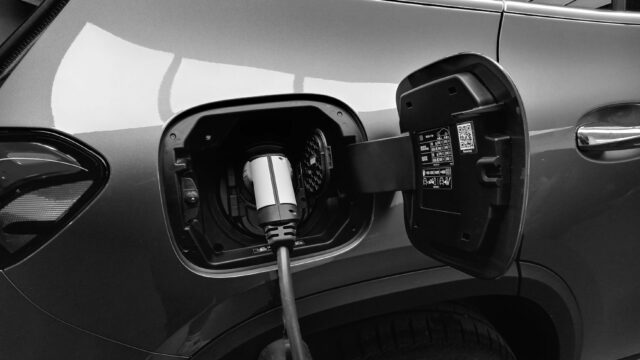
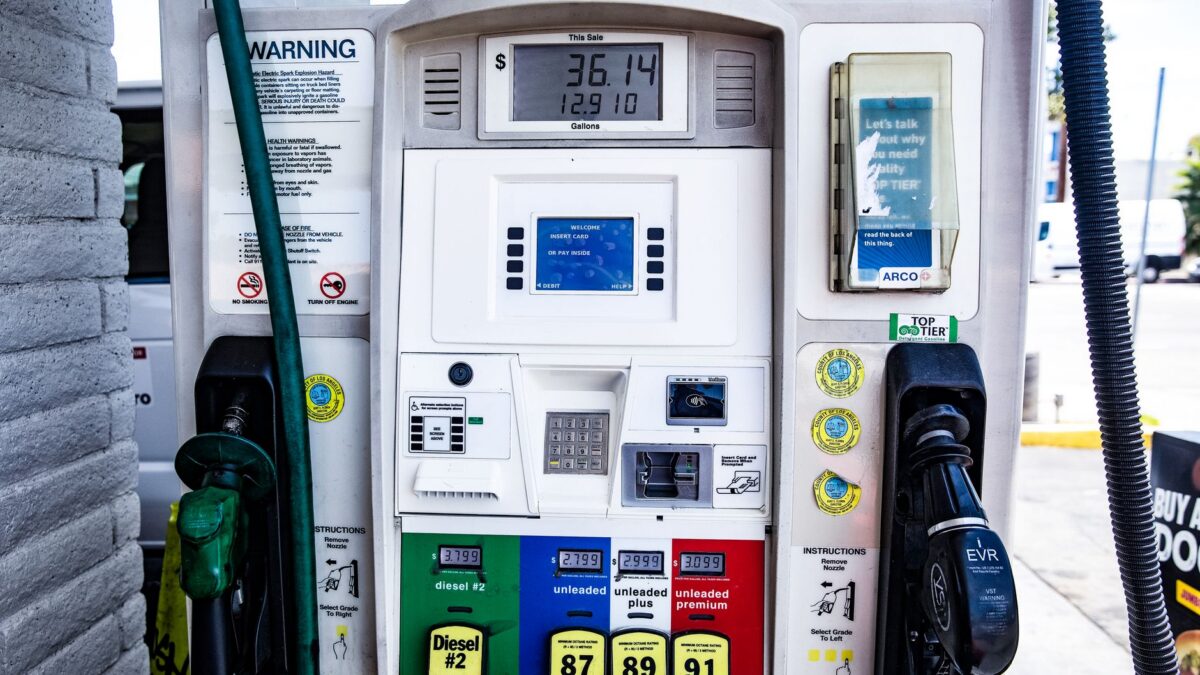
The car also carries a small battery. It captures energy during braking and helps with acceleration, so the drive feels like any other electric car: quiet, smooth and quick off the line. Unlike a battery EV, you do not plug it in to charge. You fill the tank at a hydrogen pump, with a nozzle that locks onto the car.
Which hydrogen cars are sold in the US?
The selection is small and changes often, so confirm with a dealer before counting on any model. The names most shoppers meet are:
- Toyota Mirai, a sedan and the best known hydrogen car in the US.
- Hyundai Nexo, a small crossover.
- Honda CR-V e:FCEV, a crossover that also has a plug-in battery, offered in very limited numbers.
Sales have been limited to areas with hydrogen pumps, mainly parts of California. Many are leased rather than sold. If you are weighing that route, the guides on lease versus buy and lease buyouts cover how the payments work. For a quick check on which company stands behind a badge, see who owns which car brands.
Where are hydrogen stations in the US?
Retail hydrogen stations are concentrated in California, mostly around Los Angeles, Orange County and the San Francisco Bay Area, with a few elsewhere in the state and a very small number outside it. Outside those areas, a fuel cell car is not practical.
Stations are also less dependable than gas stations. Pumps go offline for maintenance or supply problems, and some stations have closed. Before buying or leasing, check these points:
- Look at the state’s or the automaker’s live station map, not an old list.
- Count the stations along your normal routes, not only near your home.
- Check how recently each station reported that it was working.
- Ask the dealer what happens if no fuel is available nearby.
How long does refueling take and how far can you go?
Filling a tank takes roughly three to five minutes, similar to gasoline. Rated range for current models is usually in the range of 300 to 400 miles, depending on the car, and hydrogen is sold by the kilogram, not the gallon. A typical sedan tank holds a few kilograms.
What does hydrogen cost per mile?
Hydrogen at California pumps has often been priced at well over $20 per kilogram, and prices have at times been much higher. A sedan like the Mirai travels roughly 60 miles on a kilogram, though your result varies with driving and weather. Divide the pump price by miles per kilogram to get your own number.
As an example, a price of $30 per kilogram and 60 miles per kilogram works out to about 50 cents per mile. That is a sample calculation, not a quoted price. Gasoline at $3.50 a gallon in a 30 mpg car is about 12 cents per mile, and home charging an EV costs less still, as the guide on the cost to charge an EV at home and at fast chargers shows. Some new hydrogen cars come with a fuel card for a set period or amount, which can hide the real cost for the first years, so read the offer carefully.
Are hydrogen cars worth it?
For most drivers, a battery EV or hybrid is the simpler choice because charging and gas stations are everywhere. A hydrogen car can make sense for someone who lives close to several reliable stations, wants fast refueling and cannot charge at home, ideally with fuel included in the deal. Resale values for hydrogen cars have been weak, so a lease often carries less risk than buying.
Quick answers
Is hydrogen safe in a car?
Vehicles must meet the same federal crash standards as other cars. Tanks are built to be very strong, and sensors shut off the flow of hydrogen if a leak is detected. Follow the instructions at the pump.
Can I refuel at home?
No. Home hydrogen refueling is not available for ordinary owners, so every fill-up happens at a public station.
Do hydrogen cars have tailpipe emissions?
They emit only water vapor from the car. How clean the hydrogen itself is depends on how it was made, and much of it today is produced from natural gas.
Are hydrogen cars part of a model-year change?
Availability can change from one model year to the next. The guide on 2027 model year cars explains how those changes work.