Recall Reimbursement for Repairs Made Before a Recall: Step by Step
Automakers must repay owners who fixed a defect before the recall notice. See the eligible time window, allowed exclusions and the paperwork to send.
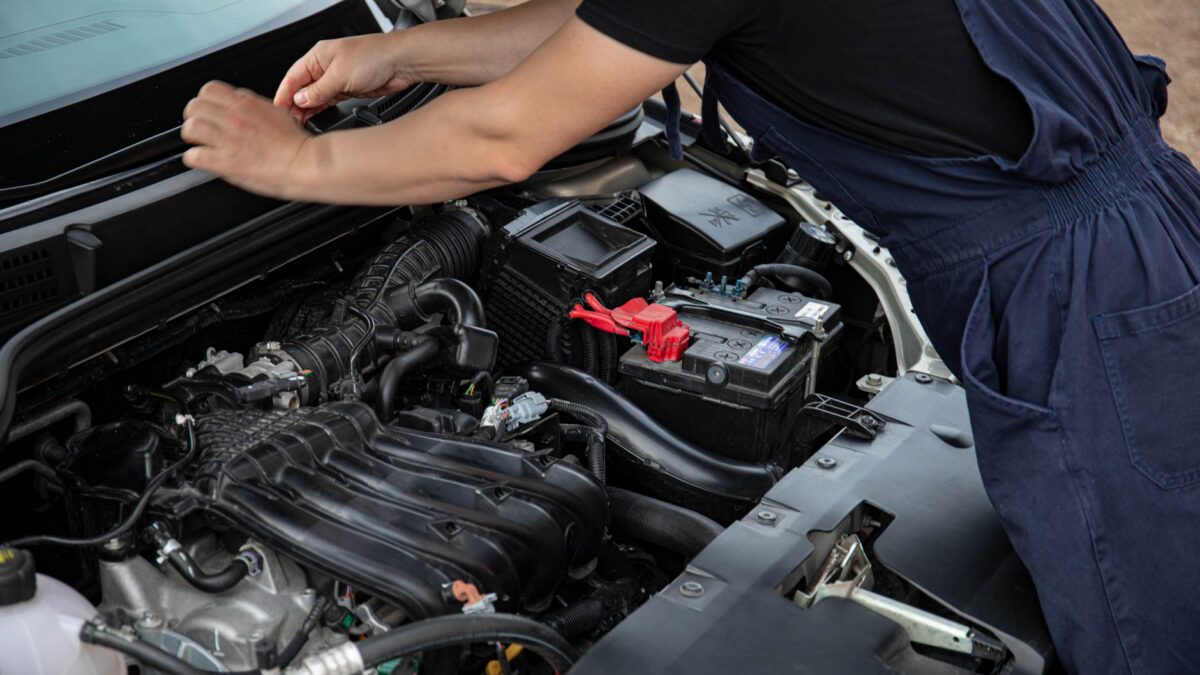
If you paid to fix a problem that later became the subject of a safety recall, federal rules require the automaker to have a plan to pay you back. The plan covers repairs made within a set window that starts before the recall was announced and ends shortly after the last owner letters go out. You claim the money by sending the automaker a short set of documents, including your receipt.
The rule is 49 CFR § 573.13, which sets out what every manufacturer’s reimbursement plan must contain. It rests on 49 U.S. Code § 30120, the federal law on remedies for vehicle defects and noncompliance with safety standards. Both apply to new vehicles and to replacement equipment such as tires and child seats.
What counts as a pre-notification remedy?
A pre-notification remedy is a repair, replacement or refund you got for a problem that a recall later addressed, as long as you got it during the reimbursement period the plan defines. The regulation calls the person asking for the money a claimant. You must have paid for the work yourself.
A recall can follow either a safety-related defect or a failure to meet a Federal motor vehicle safety standard (a noncompliance). The rule covers both kinds. If you are not sure how a recall is labeled, our explainer on NHTSA campaign IDs and automaker recall codes shows where to find each number.
How far back does the reimbursement window go?
The start date depends on why the recall happened, and the plan cannot set it later than the dates below.
- For a noncompliance with a safety standard, the window opens on the date of the first test or observation, by NHTSA or the manufacturer, suggesting a noncompliance might exist.
- For a defect found after NHTSA’s Office of Defects Investigation opened an Engineering Analysis, the window opens on the date that analysis was opened or one year before the automaker notified NHTSA, whichever came first.
- For a defect found without an Engineering Analysis, the window opens one year before the automaker notified NHTSA.
Automakers may choose an earlier start date. The rule only sets the latest one they can use.
When does the window close?
For vehicles, the window cannot close earlier than 10 calendar days after the automaker mailed the last of its owner notifications. For replacement equipment, the end date is the later of two points: 10 calendar days after the last owner letter went out, where letters apply, or 30 days after the manufacturer finished its first round of public notice about the defect.
That timing is tied to the owner letter, so it helps to know when yours is due. Our guide to when automakers must mail recall letters explains the schedule.
When can an automaker refuse to pay?
The regulation lists the only conditions a plan may use to deny a claim. An automaker cannot add others.
- Warranty: the plan can exclude costs from a period when the original or extended warranty would have covered the repair for free. This exclusion does not apply if a franchised dealer or authorized representative denied warranty coverage, or if the warranty repair did not fix the problem. An extended warranty counts only if the automaker gave owners written notice of its terms.
- Different type of remedy: for vehicles, the plan can exclude a remedy that was not the same type (repair, replacement or refund of the purchase price) as the recall remedy.
- Wrong problem: the plan can exclude work that did not address the defect or noncompliance, or a symptom of it.
- Unneeded work: the plan can exclude work that was not reasonably necessary to correct the defect or its symptom.
- Missing paperwork: the plan can exclude a claim without adequate documentation sent to the address or location the automaker designates.
The plan cannot require your repair to match the exact fix the automaker chose for the recall. A shop that repaired the same defect a different way still qualifies, provided the remedy was the same type and reasonably necessary. For replaced child restraints, the plan can require the new seat to be the same type as the recalled one: rear-facing infant seat, booster seat or other child restraint system.
What documents do you need to file a claim?
An automaker can ask for these items at most. It cannot demand more.
- Your name and mailing address.
- For a vehicle: make, model, model year and vehicle identification number (VIN). For tires: model and size. For child seats: type and model. For other equipment: a description with model and size where relevant.
- The recall number, either NHTSA’s or the manufacturer’s.
- Who owned or bought the vehicle or equipment when the repair was done.
- A receipt, original or copy. For a repair, the automaker may require that the receipt show the work addressed the recalled defect or a symptom of it and state the total paid for that repair.
How do you claim the money, step by step?
- Check your VIN at nhtsa.gov/recalls to confirm the recall covers your vehicle and to get the recall number.
- Find your repair receipt and compare its date with the reimbursement window described above.
- Read the reimbursement instructions in the owner letter or on the automaker’s recall page, including where to send the claim.
- Send your name and address, vehicle details, recall number, proof of ownership at the time of the repair and the receipt to that address.
- Keep copies of everything you send.
The recall repair itself is free at a franchised dealer, whether or not you file a claim for an earlier repair. Our guide to who pays for recall repairs covers the age limit, which federal law sets at 15 calendar years.
Quick answers
Does reimbursement cover repairs at an independent shop?
The rule does not limit claims to dealer repairs. What matters is that the work was the same type as the recall remedy, addressed the defect and was reasonably necessary, and that your receipt shows it.
Can I get paid back if I was still under warranty?
Usually not, because the plan may exclude repairs the warranty would have covered for free. You can still claim if a franchised dealer or authorized representative denied warranty coverage, or if the warranty repair failed to fix the problem.
What if the recall fix is not ready yet?
The window cannot close until 10 calendar days after the last owner letters are mailed, so a delayed remedy does not cut off your claim early. Our explainer on interim recall notices when the remedy is not yet available covers what owners receive in the meantime.
Do I need an itemized receipt?
For a repair, the automaker may require the receipt to state that the work addressed the recalled defect and to show the total paid for it. Check the plan’s instructions for anything more specific.
Checked against official sources in November 2026. Hours, prices and rules change: confirm on the official page before you go or apply.