Winter vs All-Season vs All-Weather Tires: When to Switch
Winter tires grip best in snow and cold, all-weather tires carry the snowflake symbol year-round, and all-seasons suit mild winters. Plus when to switch.
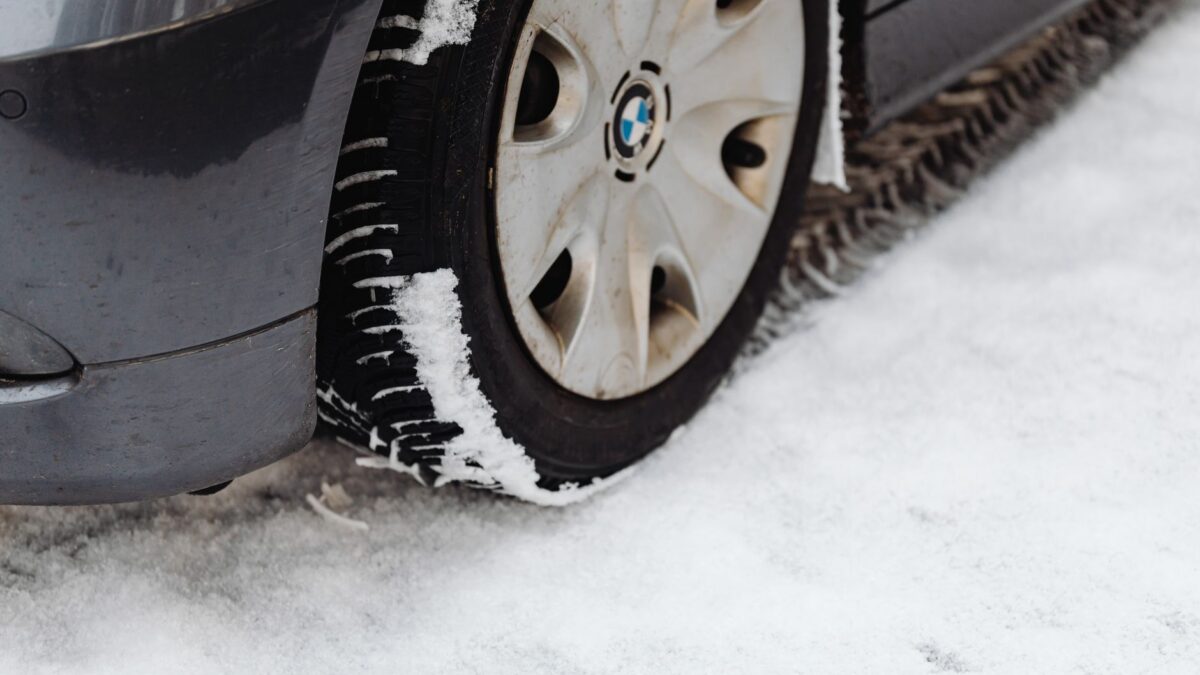
Winter tires give the best grip on snow, ice and cold pavement, all-season tires are built for warm and mild weather with only light snow, and all-weather tires sit in between: they carry the three-peak mountain snowflake symbol and can stay on the car all year. Most drivers in places with regular snow are safest on winter tires from late fall to early spring, swapped on once temperatures stay around 45°F (7°C) or lower.
The choice comes down to how cold your winters get, how often roads are covered in snow or ice, and whether you want to store a second set of tires.
How do winter, all-season and all-weather tires differ?
The three types differ in rubber compound, tread pattern and the conditions they are designed for.
- Winter tires use a soft rubber compound that stays flexible in freezing temperatures, deep tread blocks that bite into snow and many small slits (sipes) that grip ice. They wear faster and handle less precisely on warm, dry roads.
- All-season tires use a harder compound that lasts longer and rides quietly in warm weather. In cold temperatures the rubber stiffens, and on packed snow or ice they stop and steer much less well than winter tires.
- All-weather tires are year-round tires with a compound and tread designed to work in real winter conditions. They are a compromise: better than all-seasons in snow, usually not as good as dedicated winter tires on ice, and faster-wearing than all-seasons in summer heat.
Many new cars leave the factory on all-season tires, so a car that feels sure-footed in October can feel very different on the first icy morning.
What does the three-peak mountain snowflake symbol mean?
The three-peak mountain snowflake (3PMSF) symbol on a tire’s sidewall means the tire passed a standardized snow traction test against a reference tire. Every dedicated winter tire carries it, and so do all-weather tires. Most all-season tires do not.
Do not confuse it with the “M+S” or “M/S” (mud and snow) marking. M+S describes tread design and is printed on most all-season tires. It does not require a snow traction test, so an M+S tire without the snowflake has not proven its grip in snow.
The sidewall also carries the DOT code, which tells you when the tire was made and lets you check your tires for recalls using the DOT number.
When should you switch to winter tires?
Switch to winter tires when daily temperatures stay at or below about 45°F (7°C), which is when the rubber in all-season tires starts to stiffen. In much of the northern United States that means late October to mid-November. Switch back in spring once temperatures stay above that level, because winter tires wear quickly on warm pavement.
Plan the swap a few weeks before the first expected snow. Tire shops get busy after the first storm, and the same cold snap can also catch a weak battery. Our guide to car batteries in cold weather explains how to test one before winter.
Who should choose all-weather tires instead?
All-weather tires suit drivers who see occasional snow and cold but not months of snow-covered roads, and who do not want to buy, mount and store a second set. Typical cases:
- Regions with a few snowstorms a year and roads that are plowed quickly.
- Apartment dwellers with no room to store four extra tires.
- Drivers who want snowflake-rated tires all year without seasonal changeovers.
In mountain areas, rural roads that stay snow-packed, or places with frequent ice, a dedicated winter tire is still the safer choice.
Are all-season tires enough for winter?
All-season tires are enough only where winters are mild: occasional light snow that melts quickly and temperatures that rarely stay below freezing. All-wheel drive helps a car accelerate on snow, but it does not help it stop or turn. Braking and cornering depend on the tires, so an AWD vehicle on all-seasons still needs more distance to stop on ice than one on winter tires.
What mistakes should you avoid?
- Fitting winter tires on only two wheels. Mismatched grip front to rear can make the car spin or plow straight ahead. Install them in sets of four.
- Running winter tires with worn tread. Snow grip falls off well before the legal minimum, and many tire makers suggest replacing winter tires around 6/32 inch (about 5 mm) of tread.
- Forgetting tire pressure. Pressure drops as the air gets colder, so check it monthly against the figure on the driver’s door jamb, not the number on the sidewall.
- Assuming studded tires are legal everywhere. Studs are restricted or banned in some states and allowed only in certain months in others, so check your state’s rules first.
- Leaving winter tires on all summer. They wear faster, brake longer on hot pavement and use more fuel.
Tire prices vary widely by vehicle, and some trucks and EVs need expensive sizes, as our report on Cybertruck tire set prices shows. The National Highway Traffic Safety Administration has official guidance on tire safety, labels and maintenance.
Quick answers
Can I mix winter tires and all-season tires on the same car?
No. Use the same type on all four wheels so the front and rear grip evenly when braking and turning.
Do winter tires help on cold, dry roads?
Yes. The soft compound keeps more grip on cold, dry pavement than an all-season tire, which hardens as temperatures fall.
Do EVs need special winter tires?
EVs use the same winter tire types, though some owners pick models rated for heavier vehicles. Cold weather also cuts battery range, as our guide to EV range in cold weather explains.
Should winter tires go on their own wheels?
A second set of wheels makes the seasonal swap faster and cheaper and protects the tire beads from repeated mounting. It is optional but common.