EV Preconditioning in Winter: Faster Charging and a Warm Cabin
Preconditioning warms an EV's battery and cabin while plugged in, which restores charging speed and saves range. Here is how to set it up and use it.
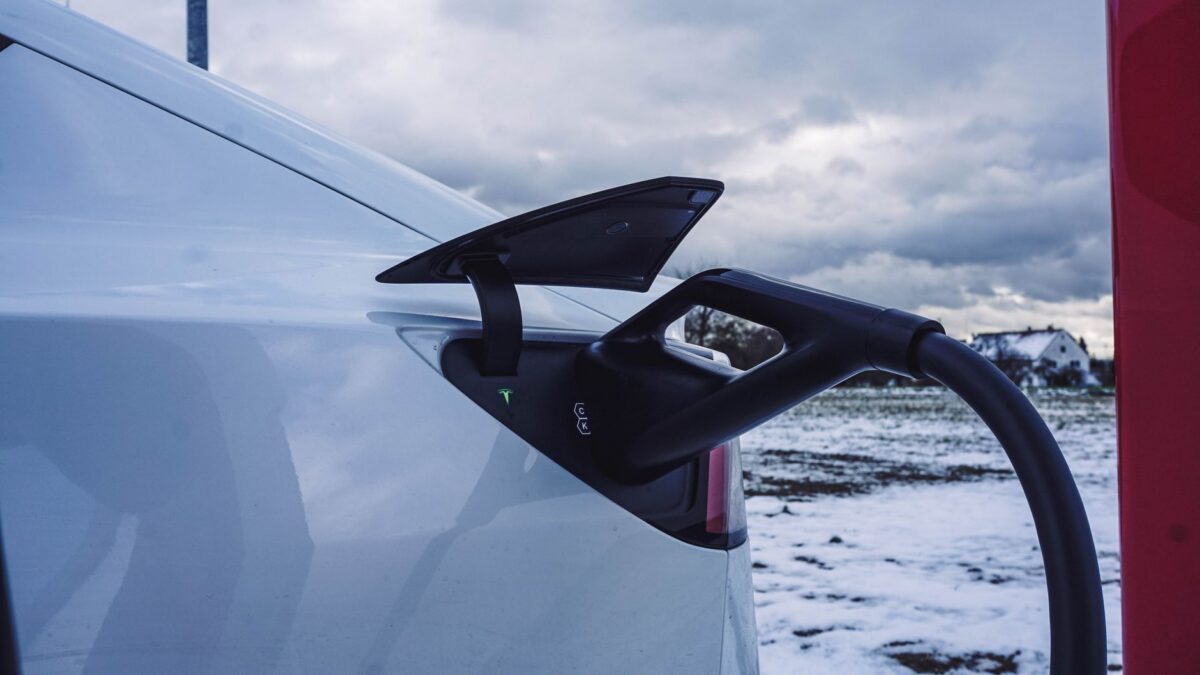
Preconditioning is warming an electric vehicle’s battery and cabin before you drive, ideally while the car is still plugged in. It matters in winter because a cold battery accepts power slowly and the car limits how fast it will charge, so a battery that has been warmed first reaches higher charging speeds and gives up less range to cabin heat on the road.
What does preconditioning actually do?
It runs the car’s heating systems before you leave. Most EVs warm the cabin with a heat pump or resistive heater and warm the battery with a separate thermal loop, which may use waste heat from the motor, the heat pump or an electric heater. Preconditioning turns these on ahead of time, so the energy comes from the wall outlet or charger instead of the battery you are about to drive on.
Two things get warmed. The cabin and seats make the car comfortable, and the windows clear. The battery pack is brought toward the temperature range its chemistry works best in, which is a normal room-temperature feel for the cells rather than anything hot.
Why does a cold battery charge more slowly?
Lithium-ion cells move ions more slowly when they are cold. Forcing a high current into a cold cell can damage it, so the battery management system holds back the charging rate until the pack warms up. You see this as a low kW figure at the start of a fast-charging session that slowly climbs, or as a charge that never reaches the speed the car is advertised to handle.
Level 2 home charging is gentle enough that the effect is small. DC fast charging is where it shows up, because that is when the pack takes the most power. Cold also lowers range on its own, since the cabin heater, the battery heater and thicker air all draw energy. A related issue is the 12-volt battery, which has its own winter problems, covered in our guide to why a car battery fails in cold weather and how to test it.
How do I precondition while plugged in?
The steps differ by brand, but the pattern is the same:
- Leave the car plugged into a home charger or any outlet that can charge it, so the heating draws from the grid.
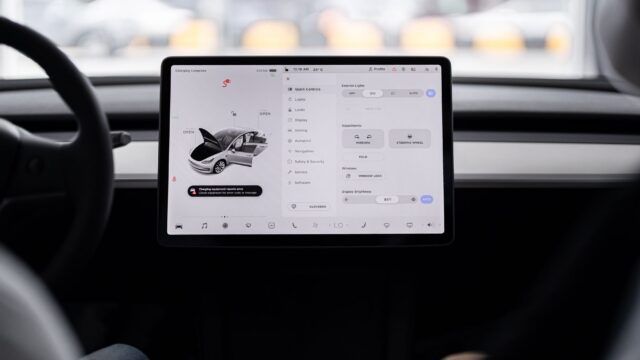
- Open the manufacturer’s app or the car’s climate or charging menu and look for a setting called preconditioning, pre-heat, remote climate or departure time.
- Start the climate system manually 10 to 30 minutes before you leave, or set a departure time so the car times it for you.
- Set the cabin temperature you want. Turn on heated seats and the steering wheel heater if the car has them, since they warm you with less energy than heating all the cabin air.
- Unplug when you are ready to go. The car should show a full or near-full charge with the cabin already warm.
A scheduled departure time is the better habit. The car then finishes charging and warming at the same moment, which avoids leaving a battery sitting at a high charge level for hours. Check your owner’s manual for the exact menu names and for any limits, such as a minimum charge level the car needs before it will run the heater.
How do I warm the battery before a DC fast charge?
Many newer EVs warm the battery automatically when you set a fast charger as the navigation destination. The car’s built-in navigation tells the thermal system to heat the pack so it arrives ready to accept high power. If your car has this feature, using the built-in navigation to the charger is the simplest method, and the effect is strongest when the battery was cold at the start of the trip.
Some cars have no such feature. In that case a drive of 20 minutes or more before the stop warms the battery on its own through use, and a highway stretch warms it faster than slow city driving. Starting a fast-charge session with a battery that has just been driven hard is normally quicker than starting with one that sat outside overnight. Charging speed also falls as the battery fills, so an ideal arrival is a low to moderate state of charge rather than a nearly full one.
Public charger maps and the U.S. Department of Energy’s Alternative Fuels Data Center help you find stations, but they do not show the car’s battery temperature, so rely on your car’s own display.
Does preconditioning save range or cost energy?
It saves driving range, because the heat comes from the grid instead of the pack. A car that starts the trip with a warm cabin and a warm battery does not spend the first miles on heating from a cold start. The energy is still used, and you pay for it on your electric bill, but at home that usually costs less than the same energy from a fast charger.
The effect on the battery itself is gentle. The U.S. Department of Energy’s fueleconomy.gov site explains how cold weather and cabin heating reduce electric range, which is the reason preconditioning is widely recommended. Battery health data from Ford on a large group of Mustang Mach-E vehicles is summarized in our report on Ford’s battery capacity figures, and it gives context on how packs age in real use.
What other winter habits go with preconditioning?
Park in a garage if you can, because even an unheated one keeps the car warmer than the street. Keep the battery above a low charge level in cold weather, since a low pack heats less effectively and offers less range for the same temperature. Use the heated seats instead of high cabin heat. Make sure the tires are suited to the season, because poor traction in snow wastes energy and affects safety, and our guide to winter, all-season and all-weather tires explains when to switch.
If you charge on the street in freezing rain or snow, check that the connector and the charge port are free of ice before plugging in, and follow the charger operator’s instructions if a fault appears.
Quick answers
Can I precondition if I am not plugged in?
Yes. The car will heat from its own battery, so you use some range. Preconditioning on battery power is still better than sitting in a cold car with the heater running at the end of the trip, but plugged in is the best option.
Is preconditioning bad for the battery?
No. Warming the pack to its normal working range is part of how EVs are designed to run in cold weather. The car manages the temperature itself and will not heat beyond the limits set by the manufacturer.
How early should I start preconditioning?
Usually 10 to 30 minutes before you leave. A colder day or a bigger pack needs more time. Some cars show an estimated time on the screen, and a scheduled departure lets the car pick the right start time for you.
Does preconditioning fix slow charging at a public station?
It helps when the battery was cold, but a station’s own power limit, the number of cars sharing it and the pack’s charge level also set the speed. A warm battery removes the cold limit and leaves the others in place.